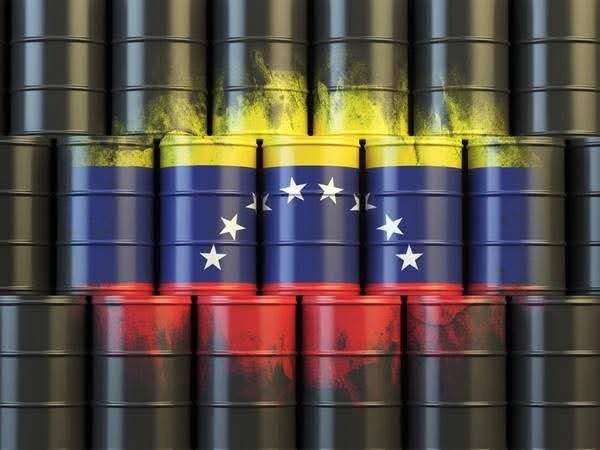
The United States plans to use an oil “quarantine” as a key pressure tool to extract concessions from Venezuela’s new leadership following the removal of President Nicolas Maduro, Secretary of State Marco Rubio has said.
The approach, he explained, is aimed at reshaping Venezuela’s political and economic trajectory by restricting oil revenues until clear changes are observed.
Speaking in a series of television interviews, Rubio said Washington intends to leverage its sanctions regime to force Venezuela to cut ties with adversarial states and criminal networks while ensuring its oil industry no longer benefits US rivals.
“There’s a quarantine right now in which sanctioned oil shipments, there’s a boat, and that boat is under U.S. sanctions, we go get a court order, we will seize it.”
U.S. Secretary of State Marco Rubio
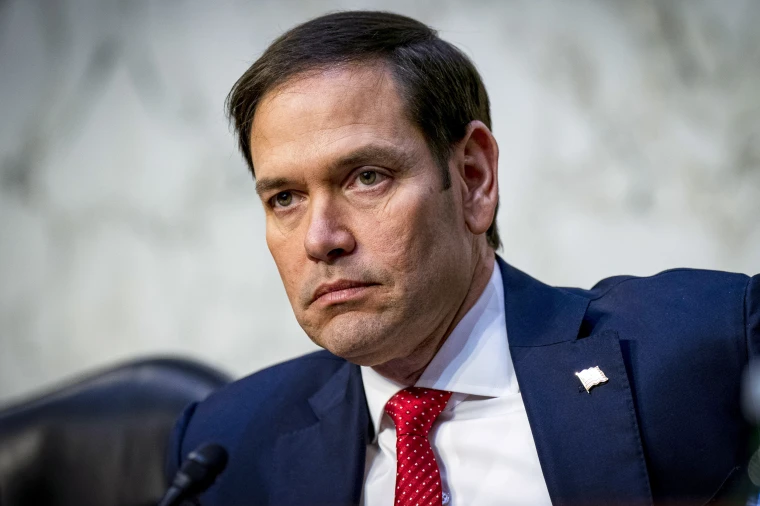
Rubio described the policy as “a tremendous amount of leverage” to press for reforms in Caracas.
Rubio outlined specific expectations Washington has for Venezuela’s post-Maduro leadership. According to him, the country must sever links with Iran, Hezbollah and Cuba, halt drug trafficking activities and ensure that its oil sector does not serve US adversaries.
These conditions, he suggested, will shape any future easing of sanctions. While questions remain about how the US will engage with officials who continue to wield power in Caracas, Rubio said actions, rather than public statements, will determine Washington’s response.
“We’re going to make an assessment of what they do, not what they say publicly in the interim,” he said, adding that the US would judge progress based on concrete steps taken “moving forward.”
Trump Signals US Oil Industry Role
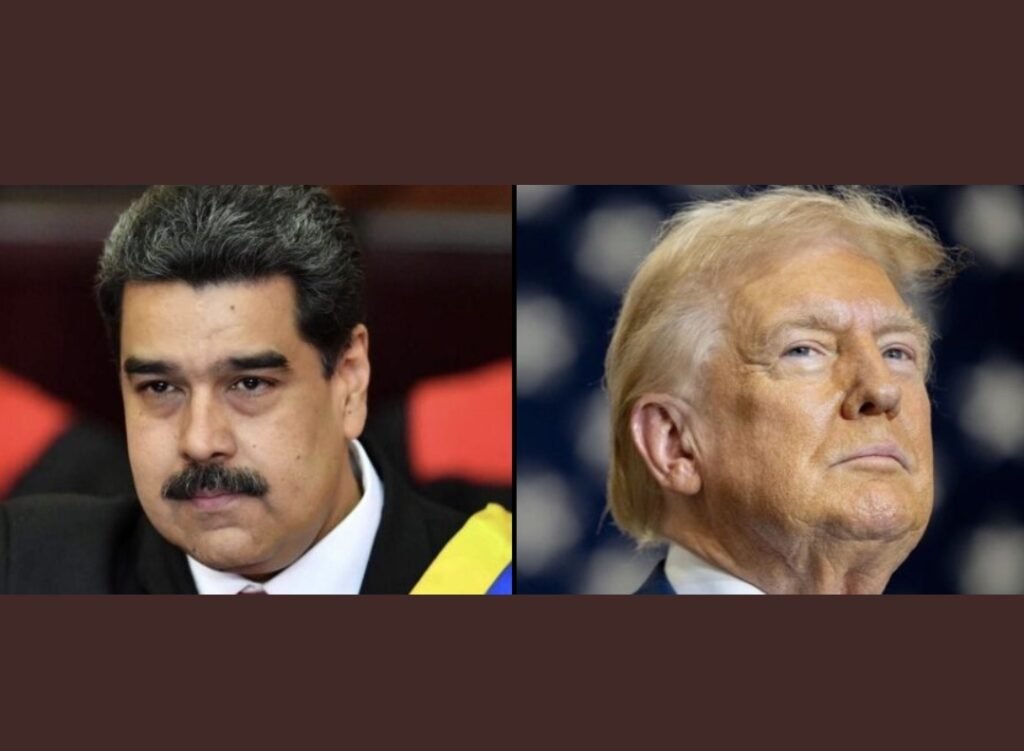
President Donald Trump has already hinted at a potential role for American energy firms in rebuilding Venezuela’s oil sector. Describing how US forces captured Maduro and his wife and brought them to New York to face charges, Trump suggested that US oil companies could invest billions of dollars to revive the country’s energy industry.
Rubio echoed this view, pointing to global market dynamics that could encourage Western investment. He said a worldwide shortage of heavy crude could make Venezuela’s oil resources attractive once political and legal conditions allow.
“I haven’t spoken to U.S. oil companies in the last few days but we’re pretty certain that there will be dramatic interest from Western companies.”
U.S. Secretary of State Marco Rubio
He stressed that “non-Russian, non-Chinese companies will be very interested,” noting that US Gulf Coast refineries are particularly well suited to processing Venezuela’s heavy crude.
“There will be tremendous interest, if it can be done the right way,” he added, underscoring that governance and transparency would be key.
Uncertain Political Transition
Despite outlining Washington’s leverage, Rubio offered few details about the immediate political roadmap for Venezuela. President Trump has said the US will work with acting president Delcy Rodríguez toward a transition to a democratically elected government, but reports suggest that Rodríguez and other senior figures have so far been uncooperative.
When pressed on a timeline for elections, Rubio avoided specifics. “These things take time, there’s a process,” he said, declining to elaborate further.
His comments signal a cautious approach, with the US appearing unwilling to commit to clear milestones until it sees tangible shifts within Venezuela’s political system.
Rubio repeatedly identified Venezuela’s oil industry as the linchpin of any economic recovery. He argued that the sector, once a pillar of national prosperity, has been hollowed out by corruption and mismanagement.
“Right now, it is an oil industry that is backwards. “None of the money from the oil gets to the people. It’s all stolen by the people that are on the top there and so that’s why we have a quarantine.”
U.S. Secretary of State Marco Rubio
According to Rubio, the oil blockade will remain in place until Venezuela demonstrates reforms that align both with US national interests and with the welfare of ordinary Venezuelans.
As Venezuela navigates the uncertain aftermath of Maduro’s removal, Rubio’s comments highlight the central role oil will play in shaping the country’s political transition and economic recovery.
While the prospect of Western investment offers potential upside, it remains contingent on sweeping reforms and compliance with US demands.
For now, the oil quarantine stands as Washington’s primary lever, signaling that Venezuela’s path back into global energy markets will depend less on rhetoric and more on demonstrable change.
READ ALSO: Government Opens 2026 with Strong Investor Appetite as T-Bills Record 19% Oversubscription