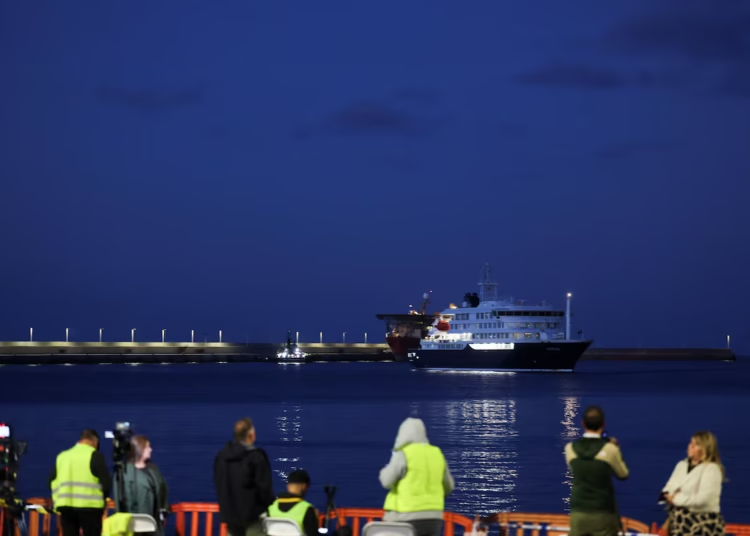
The international evacuation of passengers from a cruise ship hit by an outbreak of Andes hantavirus has been successfully completed, bringing to a close a week-long emergency operation coordinated by Spanish authorities alongside the World Health Organization (WHO), the European Union, the European Centre for Disease Prevention and Control (ECDC), and several national governments.
The operation, which unfolded in Tenerife in Spain’s Canary Islands, followed a confirmed outbreak aboard the vessel that has drawn global health attention. WHO reported that as of Monday, there had been nine cases linked to the ship, including seven laboratory-confirmed infections and three deaths. One additional case remains under investigation after inconclusive test results.
The final groups of passengers departed the Canary Islands on specially arranged flights. Health officials confirmed that no passengers were placed on commercial airlines as part of strict containment measures designed to prevent any further spread of the virus during the repatriation process.
More than 30 crew members and two health workers remain aboard the vessel, which is now continuing its onward journey to its home port in Rotterdam, the Netherlands. Authorities say the ship will remain under close monitoring as part of ongoing public health protocols.
WHO Director-General Tedros Adhanom Ghebreyesus, who was in Tenerife to oversee the emergency response, praised Spain’s handling of the complex operation, describing the disembarkation as having been carried out “in style and as planned.” “This is the triumph of solidarity,” he noted, thanking the Spanish Government, regional authorities in Tenerife, European partners, and the ship’s crew for their coordination and cooperation throughout the crisis.
Health professionals have now shifted the focus to a longer-term monitoring phase. WHO has called for 42 days of isolation or quarantine for all passengers, either at home or in designated facilities, citing the virus’s long incubation period and the possibility of delayed symptom onset.
“What I believe is that countries will do everything to protect their citizens. The guidance is clear. It’s 42 days of isolation.”
Tedros Adhanom Ghebreyesus,
Health professionals have also stressed that the extended monitoring window is critical to containing the outbreak.
WHO Epidemiology Lead Olivier Le Polain noted that the situation remains “well confined for now” but warned that additional cases could still emerge in the coming days or weeks, given the nature of the virus.
“We know the incubation period for hantavirus and Andes virus is very long. People can still develop symptoms much later on.”
Olivier Le Polain
Despite the successful evacuation, WHO has emphasised that international coordination remains essential. Countries involved have been asked to submit weekly updates through the International Health Regulations (IHR) platform on the health status of passengers and crew. “This is not another COVID,” Tedros said, urging continued global cooperation. “Continued international coordination is essential to protect everyone’s health.”
With the evacuation now complete, attention turns to monitoring and prevention to ensure that the outbreak, though contained, does not evolve into a wider public health concern.
Hantavirus Monitoring Intensifies After Cruise Ship Evacuation
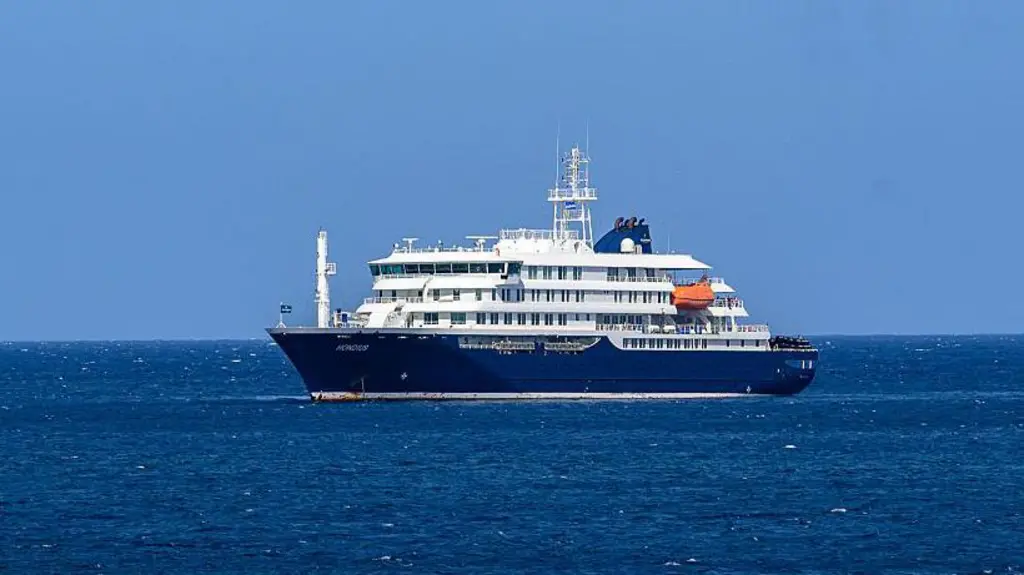
Meanwhile, Health professionals across multiple countries have intensified monitoring efforts after the evacuation of passengers from the MV Hondius, the cruise ship at the centre of a hantavirus outbreak that has now left several confirmed infections and prompted a complex international repatriation operation.
According to reports, eighteen American passengers who were aboard the vessel are now back in the United States under medical supervision. Health officials confirmed that 16 of them, including one individual who tested positive for the virus, are being monitored in Nebraska, while two others are in Atlanta. All but one of the Nebraska-based group remain asymptomatic, while the Atlanta patient is reportedly showing mild symptoms.
The group was part of 122 passengers and crew members evacuated from the ship in recent days and repatriated to their home countries, with others transferred to the Netherlands for further monitoring.
Authorities also confirmed that all US citizens were transported in specialised biocontainment units “out of an abundance of caution,” reflecting concerns over possible transmission during travel.
Moreover, Spain’s health ministry confirmed that a Spanish national who was evacuated from the MV Hondius is currently quarantining in Madrid after provisionally testing positive for hantavirus.
In a related development, French Health Minister Stéphanie Rist also confirmed France’s first hantavirus case linked to the outbreak, with the patient now isolated and being closely monitored as contact tracing efforts continue to identify and assess individuals who may have been exposed.
The MV Hondius has since departed Tenerife and is en route to Rotterdam with 27 people still onboard, including 25 crew members and two medical staff. These remaining individuals are supporting the vessel’s transfer while continuing to undergo health observation.
Despite the alarm, officials have repeatedly stressed that “Hantavirus remains a low risk to the general public.”
READ ALSO: Legal Education Bill Opens Path For Wider Professional Training