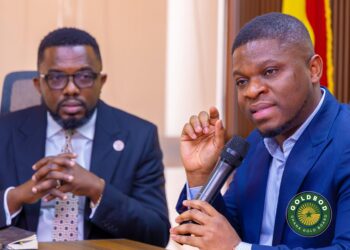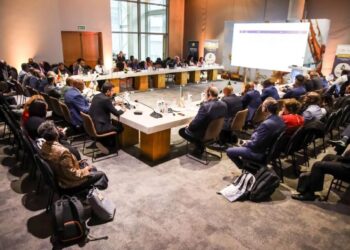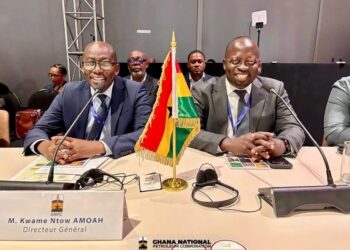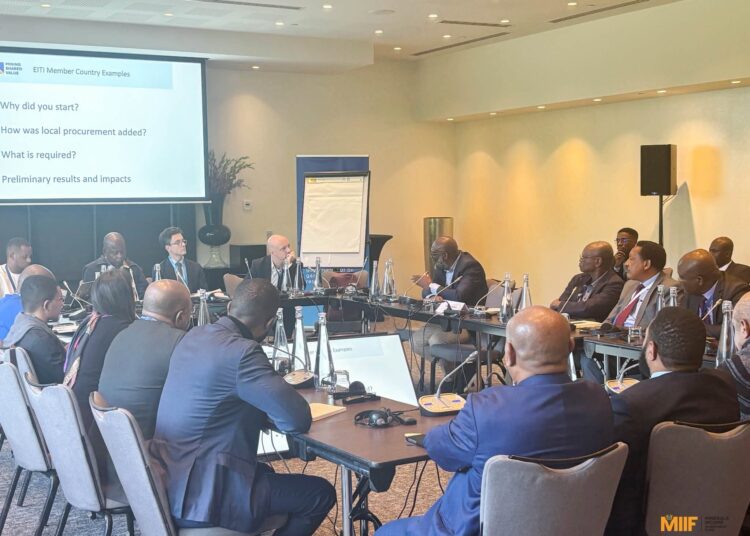
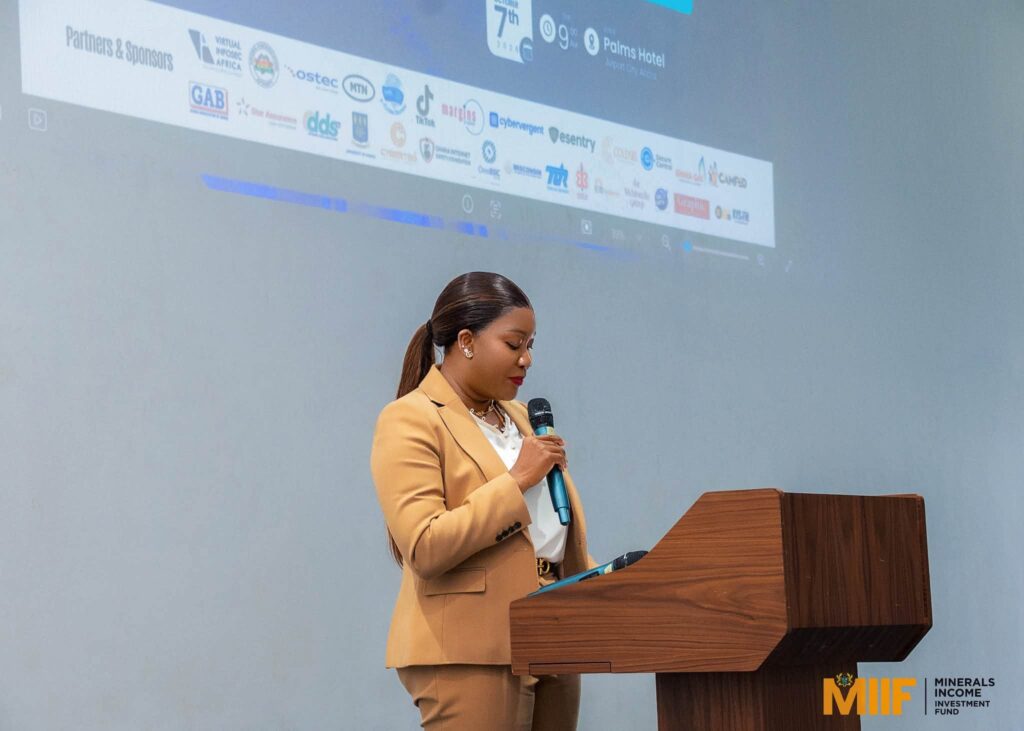
Mr. Kwabena Barning, the Chief Technical & Operations Officer of the Minerals Income Investment Fund (MIIF), has issued a decisive call for transformative economic reforms within Ghana’s extractive sector during the 2026 Extractive Industries Transparency Initiative (EITI) Global Conference in Brussels.
Representing MIIF at the prestigious international gathering, Mr. Barning highlighted Ghana’s recent progress while establishing clear national priorities centered on local content optimization, aggressive domestic procurement, and the expansion of local manufacturing capabilities.
The sovereign fund’s participation underscored an urgent framework to retain a significantly higher proportion of mineral value within the Ghanaian economy, shifting the structural narrative from raw resource extraction to comprehensive, in-country value creation.
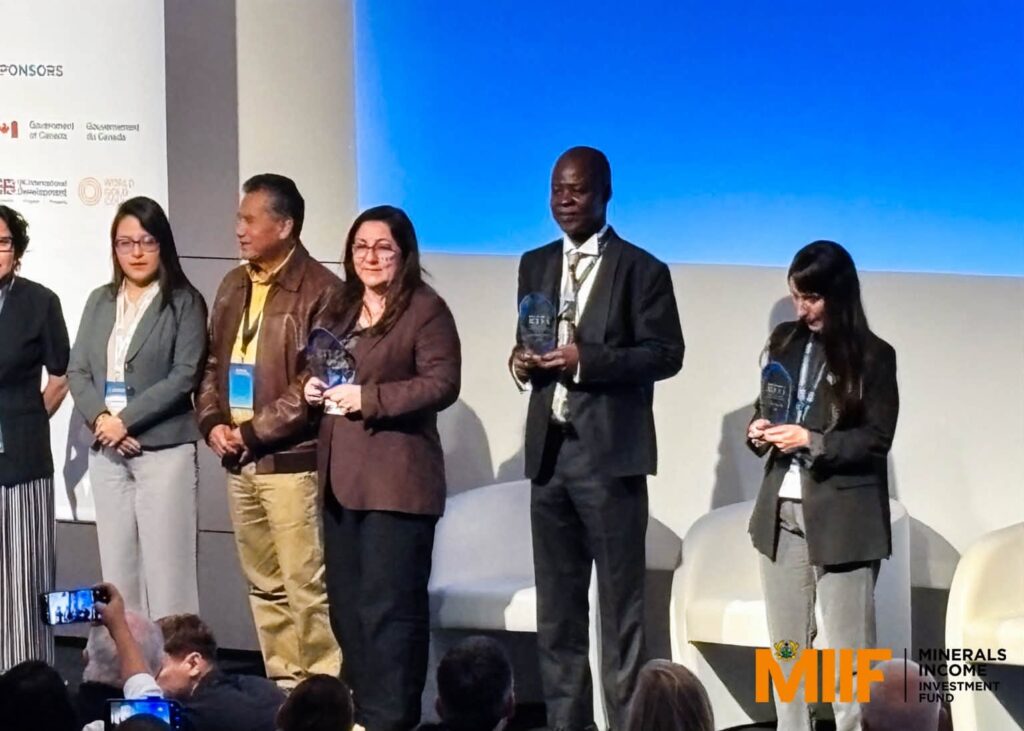
“MIIF’s participation underscored the need to build domestic manufacturing capacity, create skilled employment and retain more value from Ghana’s mineral resources for the benefit of its citizens. At the 2026 EITI Global Conference in Brussels, MIIF’s Chief Technical & Operations Officer, Mr. Kwabena Barning, shared Ghana’s progress and priorities in local content, highlighting the importance of strengthening local procurement, expanding local manufacturing and retaining more value within the Ghanaian economy. See less.”
Minerals Income Investment Fund (MIIF)
Expanding on these core priorities, Mr. Barning detailed how Ghana’s strategic roadmap aims to construct robust industrial supply chains that link mineral wealth directly to broader national development.
By driving local procurement mandates and incentivizing indigenous manufacturing of critical operational inputs, MIIF seeks to ensure that capital expended by multinational mining operations circulates locally to empower Ghanaian enterprises.
This shift is designed to expand the country’s industrial capacity, support technology transfer, and build a highly skilled workforce capable of sustaining long-term economic independence.
Through these structural interventions, Ghana intends to capture compounding downstream benefits, transforming finite natural resource reserves into lasting social and economic capital for its citizens.
Bridging the Structural Gap in Extractives
For decades, mineral-rich African economies have grappled with the legacy of the traditional enclave model of mining, where raw minerals are extracted and exported with minimal domestic processing or linkage to local commerce.
In Ghana Africa’s premier gold producer, the challenge has historically centered on the fact that while mining generates significant foreign exchange and fiscal revenues, a substantial percentage of the sector’s total spend escapes the country through imported capital goods, heavy machinery, and specialized operational services.
Research confirms that fiscal royalties and taxes represent only a small fraction of a resource’s potential economic impact.
The vast majority of economic value resides in equipment fabrication, chemical processing inputs, engineering services, and downstream mineral refining.
Without strong domestic linkages, resource-rich nations remain vulnerable to global commodity volatility while missing critical opportunities to industrialize.
Driving Local Procurement and Manufacturing
To systematically counteract capital flight, MIIF’s strategic paradigm prioritizes the aggressive expansion of local procurement frameworks and input manufacturing.
By leveraging its equity positions and financial instruments, MIIF acts as a catalytic investor, funding Ghanaian firms that supply essential consumables to commercial mining operations, including grinding media, activated carbon, and specialized protective wear.
Strengthening local supply networks creates a resilient industrial ecosystem capable of servicing both gold operations and emerging critical mineral projects, such as lithium and graphite.
Furthermore, establishing rigorous local procurement benchmarks encourages international mining consortia to form joint ventures with indigenous enterprises, facilitating direct technology transfer and upgrading technical standards across Ghana’s domestic manufacturing landscape.
Sustaining Skilled Employment and Sovereign Wealth
Ultimately, the drive for value retention is fundamentally linked to human capital development and sustainable socio-economic growth.
By shifting the extractive sector from an export-only paradigm toward localized processing and industrial servicing, Ghana is laying the groundwork for high-value technical careers in engineering, metallurgy, and industrial logistics.
This strategy directly addresses youth unemployment by establishing high-skilled opportunities within the mining value chain rather than limiting local participation to basic labor.
As Mr. Barning demonstrated at the EITI Global Conference, integrating strict local content metrics with sovereign financial backing ensures that Ghana’s mineral endowment generates sustainable domestic capital, directly benefiting citizens and securing the nation’s economic future.
READ ALSO: Qatar’s Emir Vows Economic Resilience Amid Regional Crisis