Global oil prices came under sharp pressure on Wednesday after US midterm election results reshaped the political balance in Washington, adding another layer of uncertainty to an energy market already unsettled by the war involving the United States, Israel and Iran.
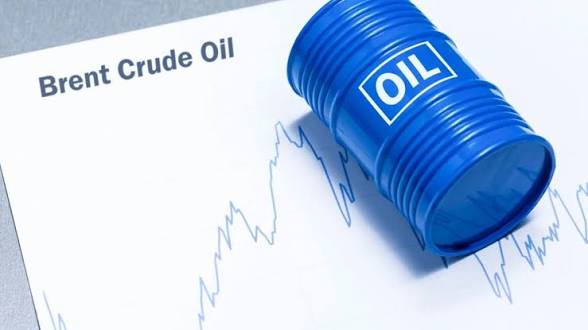
West Texas Intermediate (WTI) crude traded at $87.17 a barrel, while Brent crude fell to $94.26. The decline followed the Democratic Party’s reported gains in both chambers of Congress, raising questions about the direction of US policy towards Iran and the potential consequences for global oil supply.
For energy-importing economies such as Ghana, the movement is significant. However, the immediate benefit of lower crude prices will depend on whether the decline is sustained and reflected in the prices of refined petroleum products, exchange-rate movements and domestic pricing decisions.
Iran Conflict Remains Central To Market Sentiment
The political developments in Washington have introduced fresh uncertainty into the outlook for the conflict with Iran.
According to the report, investors are watching for the Trump administration’s next steps following the Republican Party’s electoral losses.
President Donald Trump acknowledged that the war may have contributed to the outcome, while Vice President JD Vance also linked the losses to the conflict.
Vance wrote on X that “any honest conversation about where we go from here must start there”, signalling the domestic political pressure surrounding the administration’s handling of the war.
Trump’s earlier indication to the Financial Times that Washington had no immediate plans to strike Iran may have offered some reassurance to markets. However, that position does not amount to a clear path towards de-escalation.
Iran’s position also suggests that a diplomatic breakthrough remains uncertain. Supreme Leader Ayatollah Ali Khamenei maintained that American hostility towards Iran would continue regardless of which party controlled Washington.
“The U.S. sees the end of its hegemony as distant; we see it as near,” he said.
A senior Iranian official separately told Reuters that Tehran and Washington remained far from an agreement to end the war.
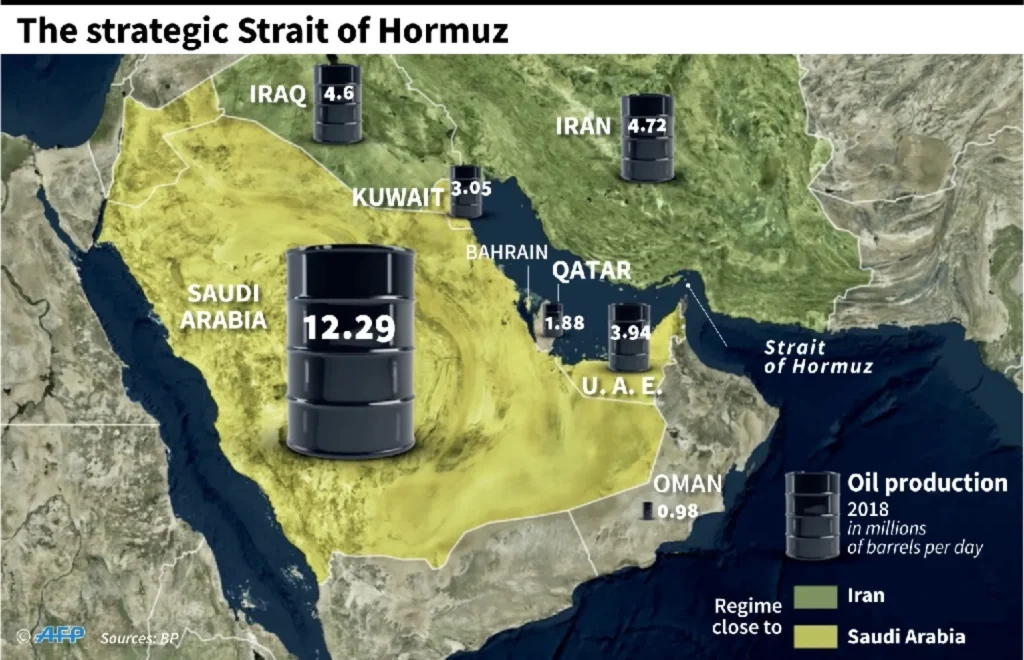
The competing political positions matter to oil markets because the conflict carries implications beyond military activity.
Any escalation could threaten energy infrastructure, shipping routes and the movement of crude and refined products through strategically important corridors.
Consequently, the latest price decline should not be interpreted as evidence that geopolitical risk has disappeared.
It may instead reflect a reassessment of the likelihood of further escalation and uncertainty about Washington’s next move.
US Intervention Highlights Pressure Beyond Crude
The pressure on energy markets is also visible in the US government’s response to elevated diesel and heating fuel costs.
The US Department of Energy announced plans to loan 300,000 barrels from the Northeast Home Heating Oil Reserve to four companies.
The volume represents nearly a third of the stockpile, following pressure from lawmakers after diesel prices exceeded $6.50 a gallon.
Heating oil futures subsequently declined by approximately 7%.
The intervention highlights an important distinction in the oil market: movements in crude prices do not always translate into immediate relief for consumers of refined fuels.
Diesel and heating oil prices are influenced by refining capacity, inventories, distribution costs and seasonal demand, among other factors.
This means governments can face pressure to intervene in specific product markets even when crude prices are moving lower.
The decision to release reserve supplies also demonstrates how energy security has become a domestic political issue, particularly when high fuel costs affect households, businesses and transport operators.
What The Decline Means For Ghana
For Ghana, a sustained reduction in international crude prices could ease pressure on the country’s petroleum import bill and reduce some of the foreign exchange required to finance fuel imports.
However, the effect on pump prices is not automatic.
Ghana’s domestic fuel prices are influenced by international finished-product prices, the cedi-dollar exchange rate, taxes, levies, distribution margins and the pricing arrangements applied during each pricing window.
A fall in Brent crude, therefore, may not produce an equivalent reduction in petrol and diesel prices if refined-product prices remain elevated or the cedi weakens against the dollar.
The distinction is particularly important for diesel, which has significant implications for transport, mining, construction, agriculture and electricity generation.

The latest market movement offers a potential opening for lower import costs, but its value to consumers will depend on how developments in the international crude and refined-product markets evolve.
For now, the decline illustrates the sensitivity of oil prices to political developments in major consuming economies.
It also reinforces the vulnerability of import-dependent countries to decisions and conflicts beyond their control.
The central question is no longer simply whether crude prices have fallen, but whether the political developments behind the decline will produce a more stable supply outlook and lasting relief across the wider petroleum market.