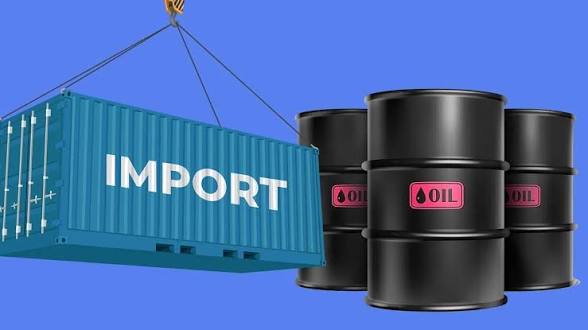
Ghana’s continued reliance on imported petroleum products leaves its downstream market exposed to disruptions in international supply routes, shipping costs and global oil-price movements, reinforcing the need for stronger regional trade arrangements and more resilient fuel distribution systems.
The vulnerability was among the issues examined by Chamber of Oil Marketing Companies (COMAC) Chief Executive Officer Dr Riverson Oppong at OTL Africa Downstream Energy Week 2026, where he assessed the changing structure of West Africa’s petroleum market and the implications for supply security.
His presentation considered how the 2026 Strait of Hormuz crisis affected international fuel markets, alongside the growing role of regional refining, differences in fuel quality and pump prices, and the need for stronger storage and product-traceability systems.
The discussion is particularly relevant to Ghana as it seeks to strengthen its downstream sector while managing exposure to external supply conditions.
The central issue is that access to petroleum products is not determined solely by domestic demand or the availability of importers.
International shipping routes, refinery output, freight costs and the reliability of regional distribution networks can all influence whether products reach the market at the required time and cost.
For Ghana, improving supply resilience will therefore require attention to both domestic infrastructure and the wider West African petroleum market.
The Strait Of Hormuz And Ghana’s Exposure
The Strait of Hormuz crisis provided an example of how geopolitical developments can quickly affect energy markets far beyond the immediate area of disruption.
The passage is a major route for international oil and petroleum trade. The disruption described in Oppong’s presentation reduced shipping traffic through the Strait, lengthened routes for some vessels and contributed to upward pressure on Brent crude prices.

For countries dependent on imported fuels, the consequences can extend beyond the price of crude oil.
Longer shipping journeys can increase freight and insurance costs, while uncertainty over delivery schedules can complicate procurement and inventory planning.
Ghana is not insulated from these developments. Even when petroleum products are sourced through alternative suppliers or routes, international price movements and shipping conditions can influence the cost of securing supplies.
This makes diversification important. Dependence on a narrow range of suppliers, routes or trading arrangements can increase exposure when disruptions occur.
However, diversification must be supported by adequate storage, reliable import infrastructure and the ability of market participants to respond to changing supply conditions.
COMAC’s announcement said Oppong’s presentation examined “the 2026 Strait of Hormuz crisis” and its implications for import-dependent fuel markets, highlighting how disruption to shipping routes can affect supply structures and prices.
The broader lesson for Ghana is that energy security requires more than securing contracts for petroleum products.
It also requires the infrastructure and market arrangements to manage unexpected changes in availability and cost.
Regional Refining Could Change Supply Patterns
One of the important developments examined during the plenary was the growing role of regional refining in West Africa.
Greater refining capacity within the region could create opportunities to source more petroleum products from African facilities, potentially reducing the distance between production and consumption markets and supporting trade between neighbouring countries.

For Ghana, this could provide additional supply options and strengthen its links with regional producers and distributors.
But the expansion of refining capacity does not automatically guarantee that Ghanaian consumers or businesses will benefit from cheaper or more reliable products.
Refineries must operate consistently, secure crude feedstock, meet product specifications and find commercially viable markets for their output.
The availability of products for export will also depend on domestic demand and the operating conditions of individual facilities.
Regional refining therefore needs to be accompanied by efficient logistics, adequate storage and predictable regulatory arrangements.
If products are available but cannot move efficiently across borders, the potential benefits of additional capacity may not translate into a more integrated market.
The changing supply structure also makes it important for Ghana to assess how its domestic downstream infrastructure fits into regional trade.
Import terminals, storage facilities, distribution networks and regulatory systems must be capable of accommodating changing sources of supply.
Storage And Product Traceability Matter
Oppong’s presentation also highlighted the need for stronger storage and product-traceability systems.
These two areas are closely connected to supply security. Storage provides a buffer against interruptions in incoming supplies, while traceability helps regulators and market participants establish where products originate and how they move through the distribution chain.
For Ghana, adequate storage can help reduce the immediate effects of delayed shipments and changes in supply availability.
However, storage capacity must be assessed alongside commercial considerations, including the cost of holding inventory, the condition of facilities and the ability to move products to areas of demand.
Traceability is equally important in a market where petroleum products may pass through several operators and facilities before reaching consumers.
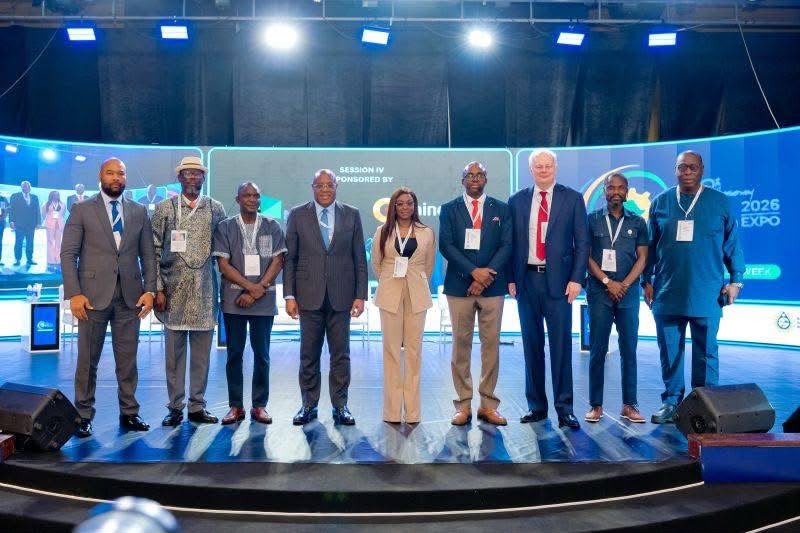
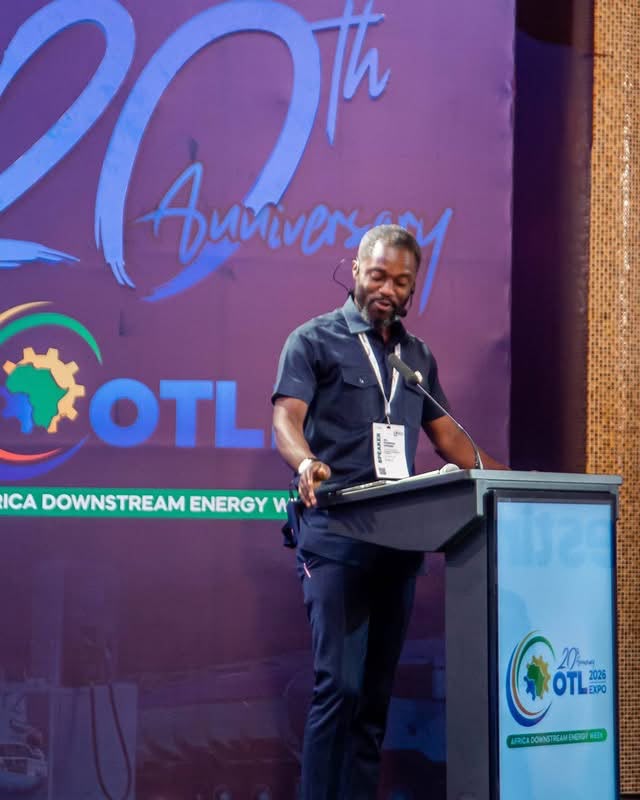
At OTL Africa Downstream Energy Week, Oppong proposed a West African Fuel Passport, a digital system intended to certify petroleum products against agreed regional standards and track cargoes or truckloads from refineries or ports through depots and borders to retail outlets.
COMAC described the proposed framework as a way to:
“Improve quality assurance, strengthen revenue protection and make legitimate cross-border petroleum trade easier across the region.”
For Ghana, the proposal could support stronger oversight of products moving through regional supply chains.
It could also help improve the verification of product origin and quality, provided the system is adopted consistently and integrated with national regulatory processes.
Regional Integration Requires More Than Infrastructure
The discussion at the OTL conference was themed “West African Fuels Congress: What’s New and What’s Next?”, reflecting the need to consider how the region’s downstream market will evolve as refining capacity, regulation and trade routes change.
A more integrated market could give Ghana access to a wider range of suppliers and potentially improve the movement of petroleum products across borders.
But regional integration involves more than building refineries, pipelines, storage facilities or transport links.
Countries must also address differences in product standards, licensing procedures, customs processes and regulatory enforcement.
If these rules remain fragmented, businesses may continue to face delays and additional costs when trading across national boundaries.
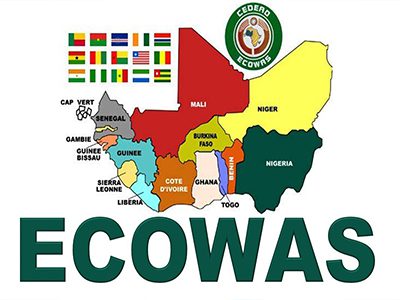
A common digital certification and tracking system could help address part of this challenge, but it would require ECOWAS member states to agree on product specifications, verification arrangements and the responsibilities of national authorities.
The regional dimension is particularly important because Ghana’s downstream market does not operate in isolation. Changes in supply availability in neighbouring markets, the emergence of new refining capacity and shifts in trade routes can all influence the options available to local importers and distributors.
COMAC’s announcement said its participation was intended to bring Ghana’s downstream experience into the wider regional discussion and contribute practical proposals for a safer and more transparent petroleum market.
Ghana Must Strengthen Its Own Supply Resilience
The regional debate also highlights the need for Ghana to strengthen its domestic capacity to respond to external disruptions.
This involves assessing the adequacy of storage infrastructure, improving supply planning, maintaining reliable import and distribution systems, and ensuring that regulatory oversight keeps pace with changes in the market.
It also requires a realistic assessment of the role domestic refining can play. Expanding local refining capacity could reduce some dependence on imported finished products, but its contribution will depend on reliable operations, access to feedstock, competitive production costs and the ability to meet domestic demand.
Regional sourcing and domestic refining should therefore be treated as complementary elements of a broader supply-security strategy rather than competing solutions.
The 2026 Strait of Hormuz disruption illustrates the risks of relying on international supply routes that can be affected by geopolitical developments.
The changing refining landscape in West Africa offers opportunities to diversify those sources, but the benefits will depend on whether countries can move products efficiently and maintain consistent standards.
For Ghana, the challenge is to turn regional market developments into practical improvements in the availability, quality and cost of petroleum products.
The OTL discussion has brought these questions into focus. The next test for policymakers and industry participants will be whether the proposed regional arrangements, improved storage systems and evolving refining capacity can translate into a more dependable downstream market.
Ghana’s fuel security will ultimately depend not only on where it buys petroleum products, but also on how well it prepares for disruptions, diversifies supply and works with neighbouring markets to keep legitimate trade moving.