Ghana’s economic recovery has received a significant vote of confidence from the International Monetary Fund (IMF), with the global lender declaring that the country’s hard-won macroeconomic stability is increasingly taking hold after years of financial turbulence.
The endorsement comes at a crucial moment for the Ghanaian economy, as improving growth, declining inflation, stronger public finances and falling public debt begin to reshape the country’s economic outlook.
In a statement issued on Thursday following a week of discussions in Accra, the IMF announced a staff-level agreement on the first review of Ghana’s 36-month Policy Coordination Instrument (PCI). The assessment suggests that the country is making considerable progress in consolidating its recovery, although several economic vulnerabilities remain.
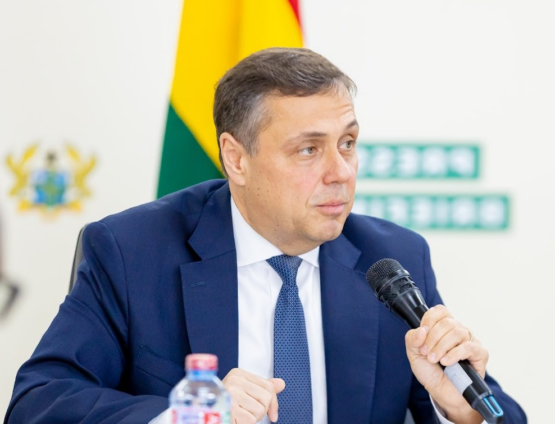
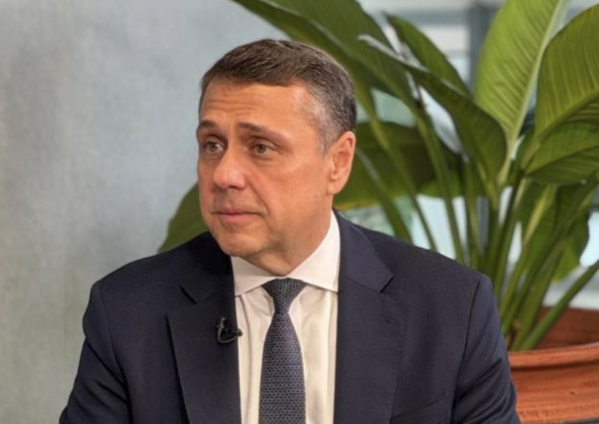
“Macroeconomic stability is becoming entrenched,” mission chief Ruben Atoyan said after the discussions.
The statement represents another important milestone in Ghana’s efforts to restore economic credibility and strengthen investor confidence following the severe financial pressures that necessitated an IMF-supported programme.
Ghana’s Economic Recovery Impresses IMF
One of the strongest indicators behind the IMF’s endorsement is Ghana’s economic growth performance.
The economy expanded by 6.2 per cent during the first half of 2026, supported largely by investment. The Fund expects growth to reach 5.7 per cent for the entire year, reflecting continued economic activity despite uncertainty in the global environment.
The performance provides further evidence that economic activity is gaining strength after years of fiscal instability, elevated inflation and tight financial conditions.
Inflation has also delivered a major boost to the recovery narrative. Consumer inflation stood at 5.5 per cent in October, comfortably below the Bank of Ghana’s target range of six to 10 per cent.
The decline in inflation is particularly significant for households and businesses that endured prolonged increases in the cost of living. Lower inflation creates room for improved purchasing power, more predictable business planning and potentially lower borrowing costs as monetary conditions adjust.
The IMF also highlighted the improvement in Ghana’s fiscal position, pointing to the government’s progress in managing public finances and maintaining a stronger primary balance.
“The fiscal position is strong, with the primary surplus on track to meet the end-year program target, and public debt remains low following rapid declines in recent years.”
Ruben Atoyan
This assessment is particularly important given Ghana’s recent debt difficulties, which triggered a domestic debt restructuring exercise and complicated access to international capital markets.
IMF Agreement Strengthens Confidence in Ghana
The staff-level agreement on the first review of the PCI represents another important development in Ghana’s relationship with the IMF.
However, the agreement is not yet final. It requires approval from IMF Management and the Executive Board before it can be formally concluded.
Ghana completed its $3 billion Extended Credit Facility programme after the IMF Executive Board concluded the sixth and final review on July 27, 2026.
That exit marked the end of the country’s financing arrangement with the Fund, but not the end of its engagement with the international institution.
The current 36-month PCI provides a framework for policy coordination, economic monitoring and structural reforms without offering fresh financing.
According to the IMF, performance under the arrangement has been broadly satisfactory, with most quantitative targets under the latest review achieved.
“Performance under the PCI has been broadly satisfactory. Most quantitative targets under this review are met.”
Ruben Atoyan
The assessment offers an important confidence boost as Ghana seeks to demonstrate that its economic improvements can survive beyond the period of intensive IMF financial support.
Falling Reserves Threaten Economic Stability
Despite the encouraging assessment, the IMF has identified developments that could threaten the durability of Ghana’s recovery.
Foreign exchange reserves have declined in recent months, creating fresh concerns about the country’s external position and its ability to withstand further international economic shocks.
The authorities have responded by transferring foreign exchange intermediation from the Bank of Ghana to GoldBod and increasing the gold sale requirement for large-scale mining companies.
These interventions are intended to strengthen foreign exchange inflows and improve the country’s reserve position.
However, the IMF believes that consistent implementation of the measures, alongside greater exchange rate flexibility, will be essential to rebuilding reserves.
The Fund also noted that Ghana’s accumulated economic buffers had helped the country partially absorb the external shock associated with the war in the Middle East.
This development demonstrates how important reserve accumulation and disciplined economic management have become as global uncertainty threatens commodity markets, exchange rates and international financial conditions.
2027 Budget Faces Critical Test
Attention is now turning towards the 2027 Budget, which the IMF believes is being developed on a relatively strong economic foundation. “The 2027 Budget is built on strong foundations,” he said.
The budget targets a primary surplus of 0.5 per cent of GDP, while creating fiscal space for investment, employment generation and infrastructure development.
However, the IMF is cautioning against allowing improved fiscal conditions to encourage excessive spending or poorly planned projects.
The Fund has stressed the importance of rigorous project appraisal, competitive procurement processes and strict expenditure controls to ensure that public resources deliver meaningful economic benefits.
This warning carries considerable weight as the government seeks to translate macroeconomic improvements into jobs, infrastructure and better living conditions.
The IMF also acknowledged progress in structural reforms, including parliamentary approval of a new Cocoa Board Act and continued quarterly adjustments to electricity tariffs.
However, the delayed publication of the audit of the Electricity Company of Ghana’s collection accounts remains an outstanding concern.
Recovery Still Faces Serious Economic Risks
Beyond the immediate fiscal and reserve challenges, Ghana continues to face vulnerabilities from commodity price fluctuations, changing global financial conditions and domestic debt refinancing requirements.
Fiscal pressures within the energy, cocoa and gold sectors could also undermine the progress achieved so far.
The IMF is therefore urging the authorities to strengthen foreign exchange reserves, maintain prudent monetary policies and improve governance to protect the recovery.
Ghana has made considerable progress in restoring economic stability, and the latest IMF assessment reinforces that achievement.
Yet the real test will be whether the country can sustain these improvements, rebuild its external buffers and translate stronger economic indicators into lasting prosperity.
The endorsement is a major achievement, but protecting the recovery will require discipline long after the immediate benefits of stabilisation have been realised.
READ ALSO: AfCFTA Boosts SME Trade Readiness in Kigali