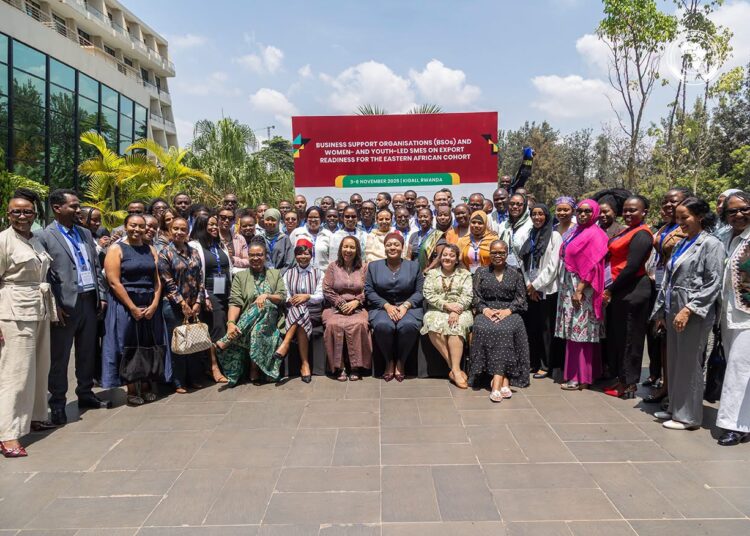
The African Continental Free Trade Area (AfCFTA) has commenced the Eastern Africa Cohort of its SME Booster Programme in Kigali, Rwanda, as part of efforts to strengthen the capacity of small and medium-sized enterprises (SMEs) to access opportunities within Africa’s expanding single market.
The programme, which officially began on November 5, 2026, brings together SMEs and Business Support Organisations (BSOs) from across Eastern Africa
The AfCFTA programme is a targeted training, expert-led sessions and practical engagements aimed at improving their understanding of cross-border trade and export requirements.
“The success of Africa’s single market will depend not only on removing trade barriers but also on preparing smaller businesses to compete across borders.”
Africa Continental Free Trade Area
Building SME Capacity for Continental Trade
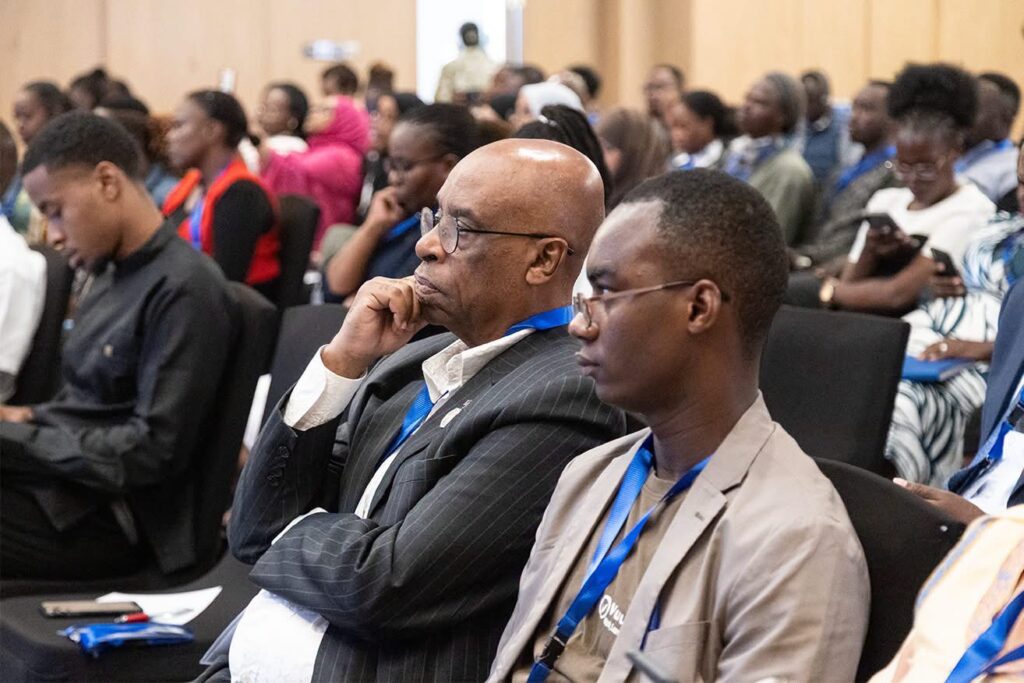
The Eastern Africa Cohort forms part of broader efforts by the AfCFTA Secretariat to translate the objectives of the continental trade agreement into practical economic opportunities for businesses.
Although the agreement creates a framework for expanding trade among African countries, businesses must understand the procedures, standards and commercial requirements governing access to different markets to benefit from its provisions.
For many SMEs, entering a foreign market involves navigating product certification, customs documentation, rules of origin, packaging requirements, taxation and distribution arrangements.
These requirements can be particularly challenging for enterprises with limited financial resources and inadequate access to specialised trade information.
The programme’s training sessions and expert engagements are therefore intended to strengthen participants’ technical understanding of these requirements while helping them identify opportunities for expanding their businesses beyond domestic markets.
A key consideration is the AfCFTA’s rules of origin, which determine whether products qualify for preferential tariff treatment under the agreement. Understanding these provisions is essential for businesses seeking to export eligible African products to other participating countries.
A United Nations Development Programme (UNDP) publication released in August 2026, titled Navigating Rules of Origin Across Free Trade Areas, highlights the importance of helping businesses understand the requirements across the AfCFTA and regional economic communities, including the East African Community, ECOWAS and the Southern African Development Community.
“Access to preferential trade arrangements becomes meaningful when businesses understand the rules, documentation and standards required to use them.”
African Continental Free Trade Area
The Kigali programme provides an opportunity to bridge this knowledge gap through practical learning, enabling participating enterprises to make more informed decisions about production, pricing, market selection and export readiness.-
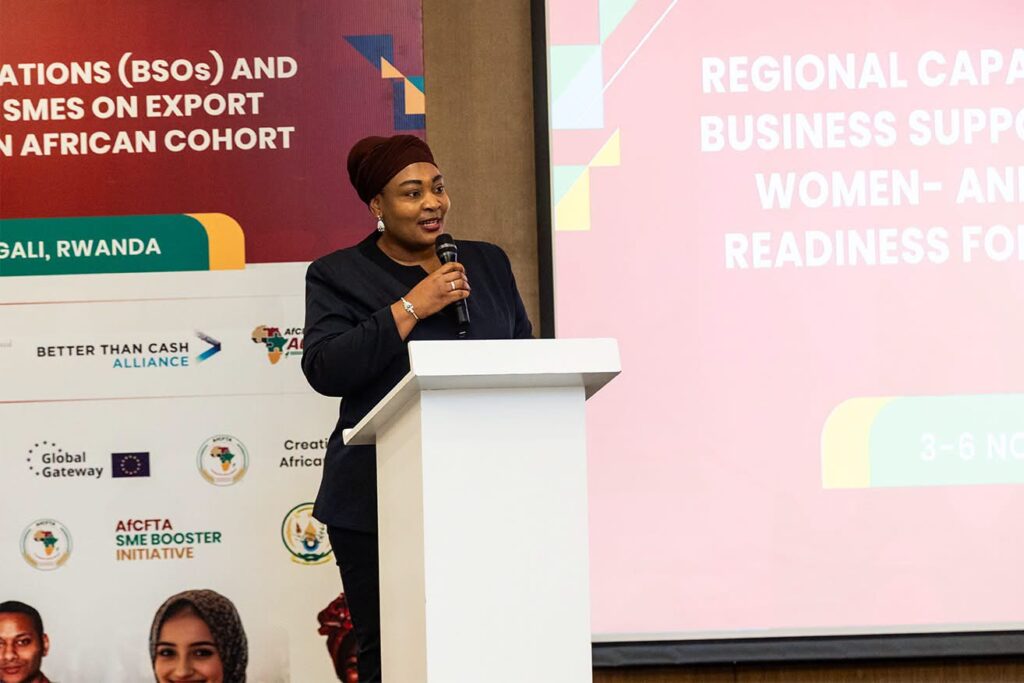
SMEs at the Centre of Africa’s Economic Integration
The focus on smaller enterprises reflects their importance to Africa’s economic structure and employment generation.
According to the African Development Bank’s Africa Industrialisation Index 2025, micro, small and medium-sized enterprises account for approximately 90 per cent of businesses operating across the continent. The report also identifies the private sector as a major contributor to Africa’s economic activity, generating more than 80 per cent of the continent’s gross domestic product.
Despite their contribution, many smaller businesses continue to face limited access to affordable financing, inadequate infrastructure, weak marketing capabilities and regulatory challenges that restrict their ability to expand.
“Africa’s trade potential must translate into practical opportunities for the businesses responsible for production, innovation and employment creation.”
African Continental Free Trade Area
Partnerships to Strengthen Market Participation
The Eastern Africa Cohort is being implemented through a collaborative partnership involving the AfCFTA Secretariat, the European Union Delegation to the African Union, the International Trade Centre (ITC), the Better Than Cash Alliance and the United Nations Development Programme.
The partnership brings together institutions with complementary expertise in trade facilitation, enterprise development, financial inclusion and economic transformation.
Their involvement reflects the need for coordinated interventions to address the different challenges confronting SMEs as they seek to participate in cross-border trade.
Beyond technical training, the programme is expected to create opportunities for participating businesses to establish commercial relationships, exchange experiences and connect with organisations that can support their growth.
Business Support Organisations are particularly important to this process because they provide enterprises with advisory services, market intelligence, training and institutional support.
Also, strengthening their capacity can extend the benefits of the programme beyond the immediate participants to a wider network of businesses.
Ultimately, the effectiveness of the Kigali cohort will be reflected in the extent to which participating businesses apply the knowledge acquired to improve their operations, meet export requirements, establish partnerships and secure access to new markets.
The programme’s broader ambition is to move African SMEs from awareness of the AfCFTA to active participation in its trading arrangements, strengthening their competitiveness while supporting the continent’s economic integration agenda.
“Stronger SMEs, deeper business connections and increased intra-African trade are essential to making the AfCFTA’s single-market ambition economically meaningful.”
African Continental Free Trade Area
READ ALSO:Ghana’s Loan Costs Face Further Pressure as Reference Rate Hits