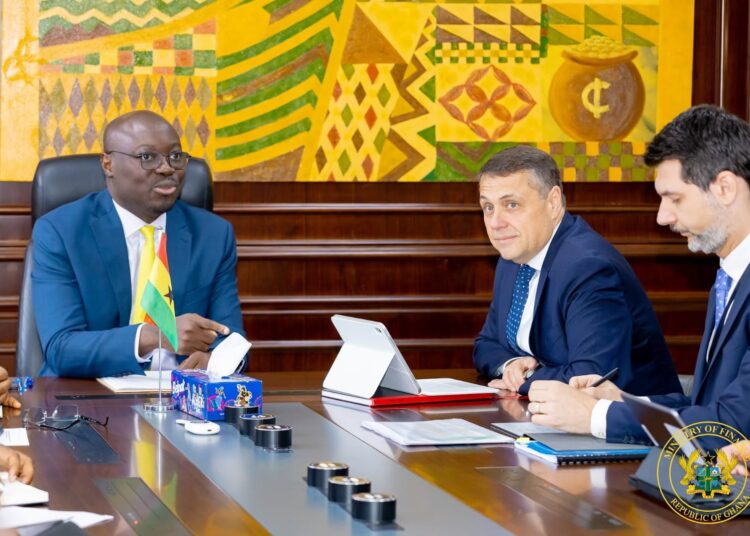
An International Monetary Fund (IMF) staff team led by Ruben Atoyan has named stronger governance a priority for Ghana after a mission to Accra from October 22 to November 4, 2026. The visit covered the first review of the country’s 36-month programme supported by the Policy Coordination Instrument (PCI).
The review also produced a staff-level agreement with the Ghanaian authorities. Within that package, the team singled out three governance measures that Accra must deliver to keep the programme credible.
“Strengthening governance remains a priority. Adoption of the Conduct of Public Officers Bill, publication of the second National Ethics and Anti-Corruption Action Plan, and improved oversight of state-owned enterprises will help build public trust and support private investment.”
International Monetary Fund (IMF) staff team led by Mr. Ruben Atoyan
IMF Mission Reviews Ghana’s PCI Programme
The Accra mission ran for nearly two weeks and examined how Ghana is performing under the PCI. The instrument supports economic policy without a financing arrangement, so the review serves as a public check on whether the government is keeping its commitments.
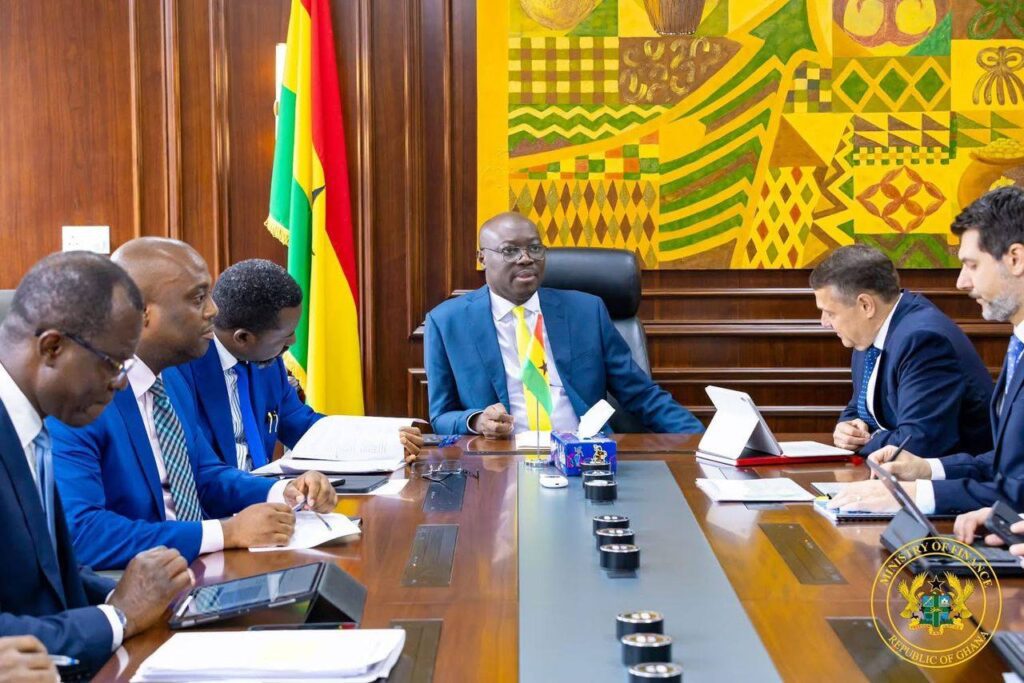
Other coverage of the exercise reported that the IMF praised Ghana’s PCI performance while warning of major risks. The governance passage in the team’s assessment is short, yet it names specific deliverables. That precision gives Parliament, civil society and investors clear markers to track.
Conduct of Public Officers Bill Awaits Passage
The Conduct of Public Officers Bill, 2026 reached Parliament on June 26, when Attorney-General and Minister for Justice Dr. Dominic Ayine laid it. The Constitutional, Legal and Parliamentary Affairs Committee then submitted its report on the bill in July 2026.
The government had earlier promised to pass the bill, and the IMF’s language now adds outside pressure to that pledge. The proposed law tightens how public officers declare assets and liabilities.
Officials would file declarations on assuming office, periodically during service, and on leaving office. The bill also introduces stricter conflict of interest rules with enforcement mechanisms, and it sets tougher penalties and verification processes for non-compliance or false declarations.

Civil society groups have kept up the push. The Ghana Integrity Initiative, the Ghana Anti-Corruption Coalition and CDD-Ghana have urged the government to prioritise passage and presidential assent in the 2027 budget cycle.
National Ethics and Anti-Corruption Action Plan Takes Shape
The second item on the IMF’s list is the National Ethics and Anti-Corruption Action Plan (NEACAP) 2026 to 2030. The five-year blueprint replaces the previous anti-corruption framework, and its shorter timeframe, cut from earlier 10-year plans, allows more agile reviews and tracking.
Cabinet approved the plan under President John Dramani Mahama on June 25, 2026, and marked it for transmission to Parliament. The document reorients the national conversation around personal and institutional ethics, integrity, transparency and public accountability across the public and private sectors.
Its machinery is substantial. The plan harmonises the work of the Commission on Human Rights and Administrative Justice (CHRAJ), the Office of the Special Prosecutor and the Office of the Attorney General.
It also sets stringent targets, independent monitoring groups, public reporting structures and enforceable legal sanctions, and it directs the Attorney-General to draft a State Assets Protection Bill to regulate the disposal of public properties and lands.

Publication of the plan is also tracked as a structural benchmark under Ghana’s ongoing IMF programme review. That status explains why the team named it directly.
State-Owned Enterprises and Private Investment
The third measure, improved oversight of state-owned enterprises, appears in the IMF excerpt without further detail. The supplied text does not describe what reforms the team expects, so the specifics remain for the authorities and the full mission documents to clarify.
The team ties all three measures to confidence. Better oversight and credible integrity laws give citizens reason to trust public institutions, and they give private firms more certainty about how officials will behave.
Ghana’s Partnership With the Fund
The team closed its assessment on a cooperative note. It thanked the Ghanaian authorities and other stakeholders for their “warm hospitality and constructive discussions,” and it restated its commitment to the country.

“The IMF remains a committed partner in Ghana’s efforts to preserve stability and achieve stronger, more inclusive, and job-rich growth.”
International Monetary Fund (IMF) staff team led by Mr. Ruben Atoyan
The coming months will test that partnership. Parliament must still act on the Conduct of Public Officers Bill, the government must publish the action plan, and the authorities must show visible gains in oversight of state enterprises.
For Ghanaian workers and businesses, the payoff the IMF describes depends on whether those commitments become law and practice
READ ALSO: IMF Declares Ghana’s Economic Stability Increasingly Entrenched