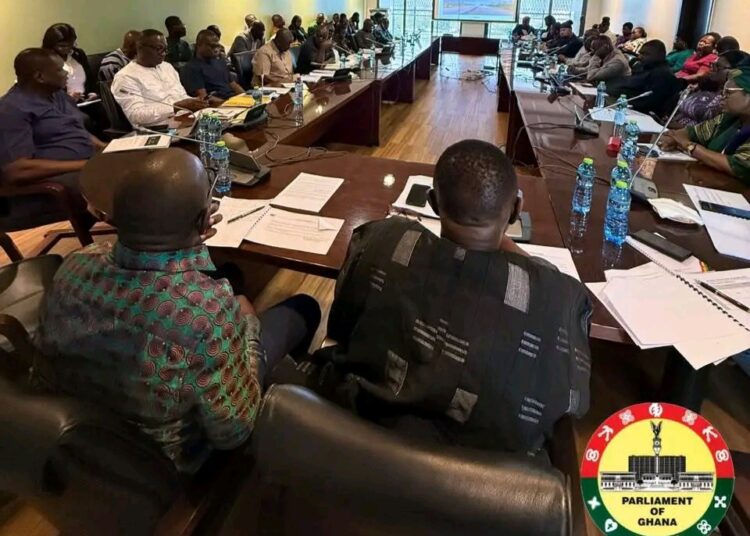
The Parliamentary Committee on Roads and Transportation has engaged the Ministry of Roads and Highways and its agencies on the ministry’s 2027 Annual Estimates, with discussions focusing on funding for the government’s Big Push Programme, road maintenance and outstanding payments to contractors.
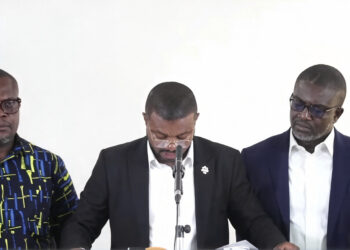
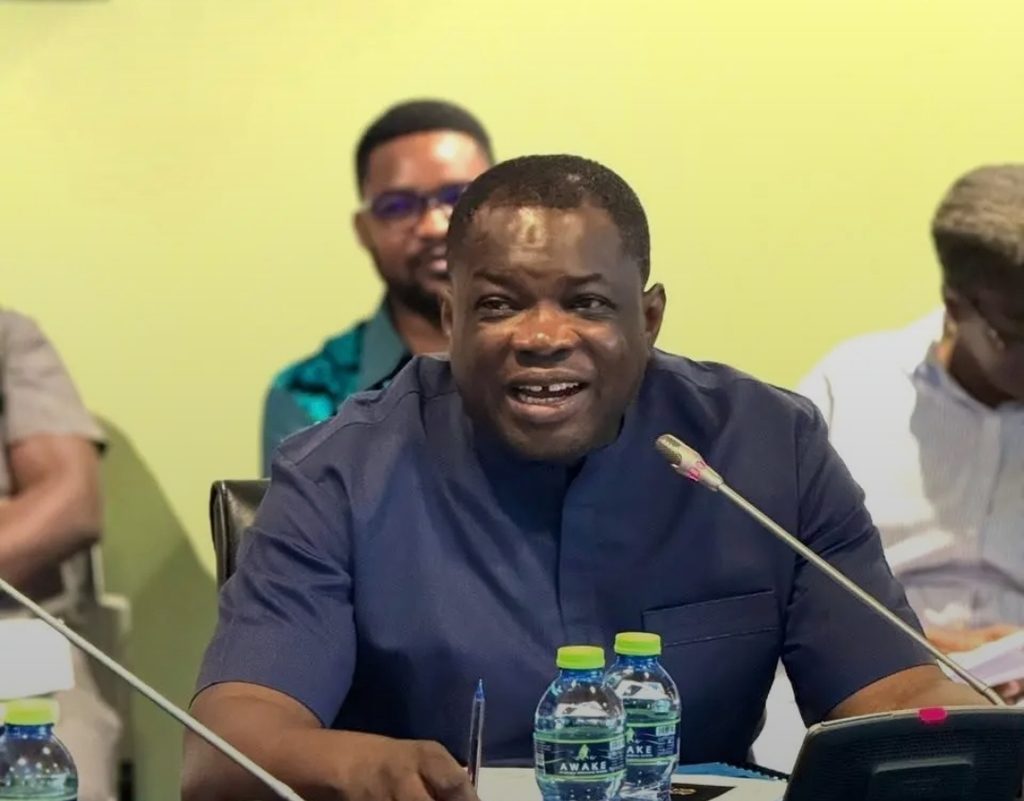
The meeting, chaired by the Committee’s Chairman, Hon. Isaac Adjei Mensah, brought together the ministry’s leadership and representatives of its agencies to examine proposed allocations and spending priorities for the coming financial year.
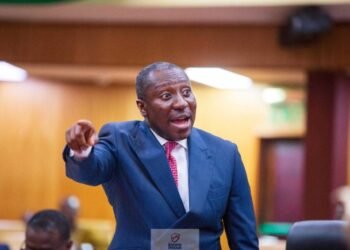
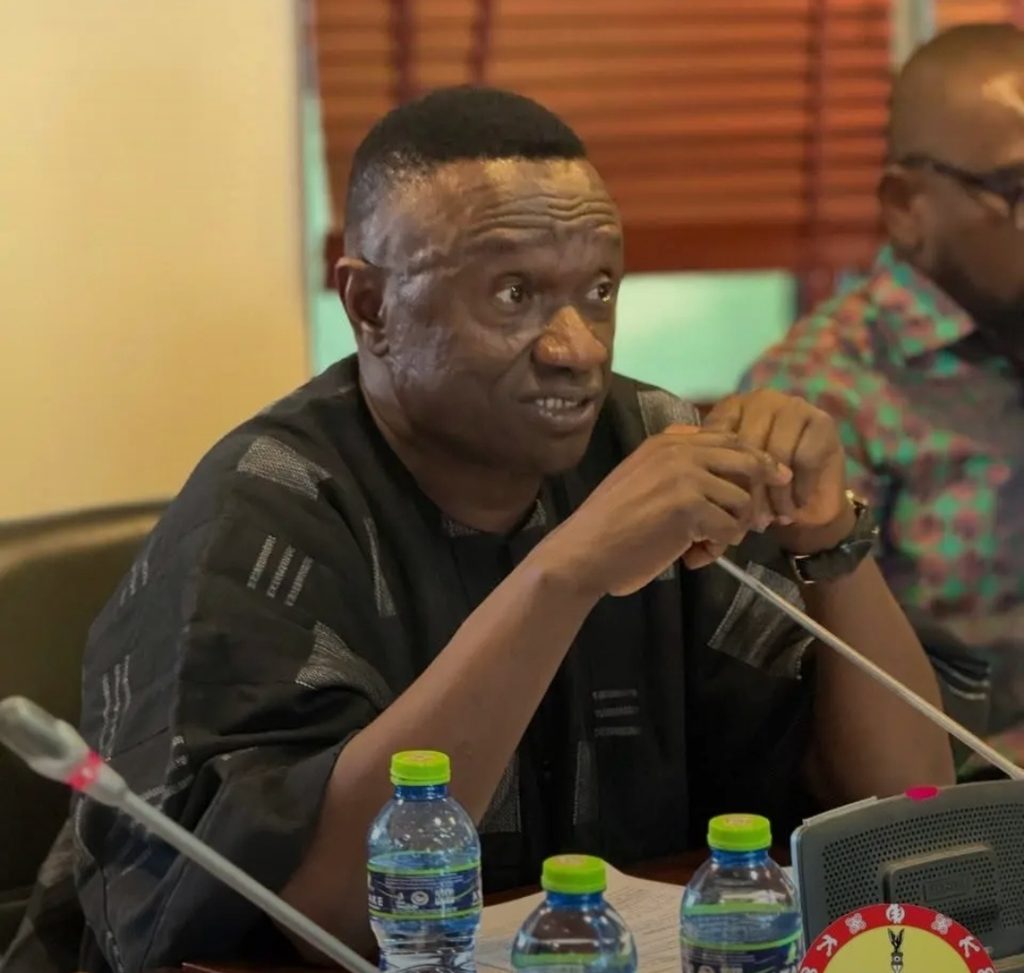
Minister for Roads and Highways, Hon. Kwame Governs Agbodza, highlighted the importance of maintaining existing infrastructure alongside the construction of new roads. He urged Members of Parliament to monitor contractors working in their constituencies and hold them accountable when they fail to meet agreed project timelines.
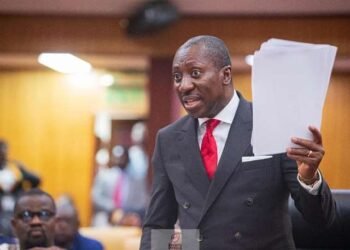
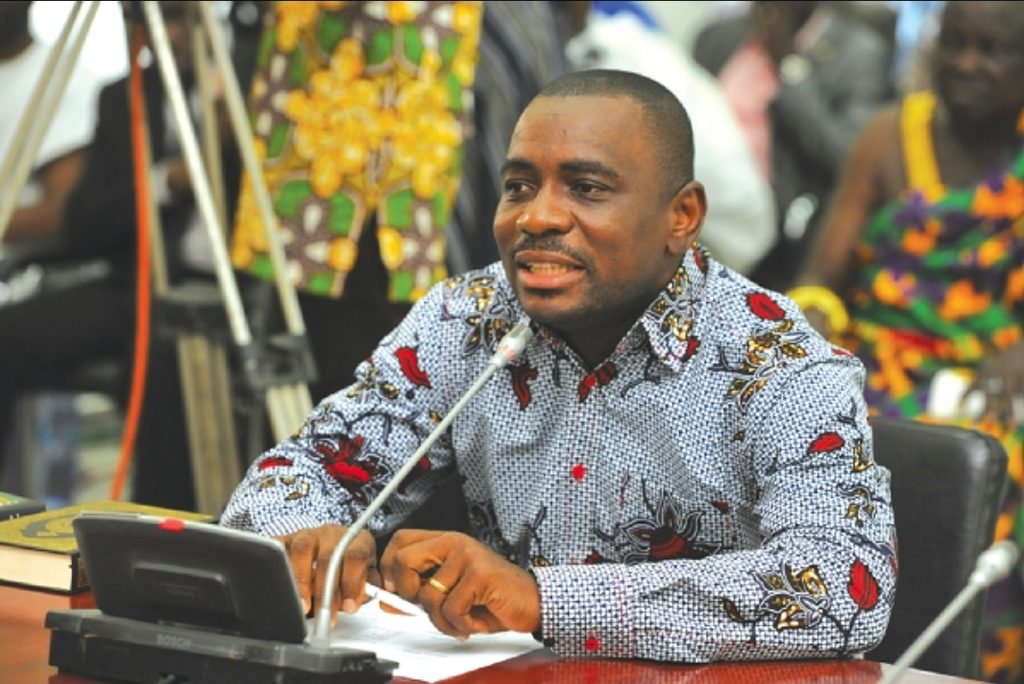
The Ranking Member of the Committee, Hon. Kennedy Osei Nyarko, called for part of the sector’s allocation to be directed towards settling outstanding arrears to prevent unpaid obligations from accumulating in subsequent years. Chairman Adjei Mensah commended progress under the Big Push Programme and pledged the committee’s continued support and cooperation in overseeing the road sector.
Big Push funding takes centre stage in 2027 estimates review
The focus on the Big Push comes as government prepares to sustain major infrastructure works under its 2027 spending plan. The Ministry of Finance’s 2027 Budget Statement allocates GH¢11.3 billion to the Ministry of Roads and Highways, comprising GH¢7.8 billion for capital expenditure and GH¢3.5 billion for the Road Maintenance Trust Fund.
A separate allocation is provided for the Big Push Programme, which aims to accelerate infrastructure development and improve connections between communities, production centres and markets.
The detailed budget statement lists GH¢28 billion for the programme, including GH¢2 billion for the Ghana Market Access and Connectivity Project and GH¢400 million to begin construction of the Volivo Bridge.
However, the budget speech published on the Presidency’s website gives the Big Push allocation as GH¢29.8 billion. The difference between the two official documents highlights the need for clarity on the programme’s funding as the estimates are examined and translated into implementation plans.
Minister urges MPs to monitor road contractors and maintenance
Hon. Agbodza’s emphasis on maintenance highlights the need to preserve existing infrastructure while expanding the country’s road network. Regular maintenance can prevent minor defects from developing into more costly damage, extend the lifespan of roads and protect public investment.
His appeal to MPs to monitor contractors also places constituency-level oversight within efforts to improve project delivery. Elected representatives are often positioned to raise concerns about delays, poor workmanship and stalled projects affecting their communities.
Effective monitoring, however, also requires transparent project information, clear contractual milestones and the enforcement of agreed obligations. The proposed GH¢3.5 billion allocation to the Road Maintenance Trust Fund is particularly relevant to this priority. The funding is expected to support the upkeep of existing road infrastructure alongside resources for new construction and rehabilitation.
Ranking Member wants arrears addressed through sector budget allocations
Hon. Nyarko’s call to address outstanding arrears raises concerns about the financial obligations accumulated by the road sector. Delayed payments to contractors can affect cash flow, disrupt work on active projects and create uncertainty about the completion of infrastructure already under construction.
Settling verified arrears could help improve payment discipline and reduce the risk of unpaid obligations being carried into subsequent budget years. This would require accurate accounting of outstanding amounts, validation of claims and a clear payment schedule to ensure that available resources are directed towards legitimate liabilities.
The ministry must therefore balance competing demands, including financing ongoing projects, maintaining completed roads, commencing new works and meeting existing financial commitments. Without careful prioritisation, additional projects could increase the sector’s financial exposure and undermine delivery timelines.
Committee pledges oversight as ministry prepares 2027 spending plans
The committee’s engagement forms part of Parliament’s responsibility to scrutinise public spending proposals and hold government institutions accountable for the use of approved funds. Its review of the 2027 estimates provides an opportunity to examine priorities, assess funding requirements and identify potential implementation challenges.
Hon. Adjei Mensah’s assurance of continued support and collaboration signals the committee’s readiness to work with the ministry while maintaining its oversight responsibilities. This will remain important as the Big Push advances and the ministry works to meet its construction, maintenance and payment obligations.
Ultimately, the effectiveness of the 2027 road-sector budget will depend not only on the size of its allocations but also on timely disbursement, sound project selection, contractor performance and transparent monitoring. The committee’s scrutiny will be important in ensuring that public investment delivers durable roads and improved connectivity for communities and businesses.