The survival of newly planted shea seedlings is emerging as a critical factor in Ghana’s efforts to protect its shea industry, sustain rural livelihoods and strengthen the long term supply of raw materials for local processing and international trade.
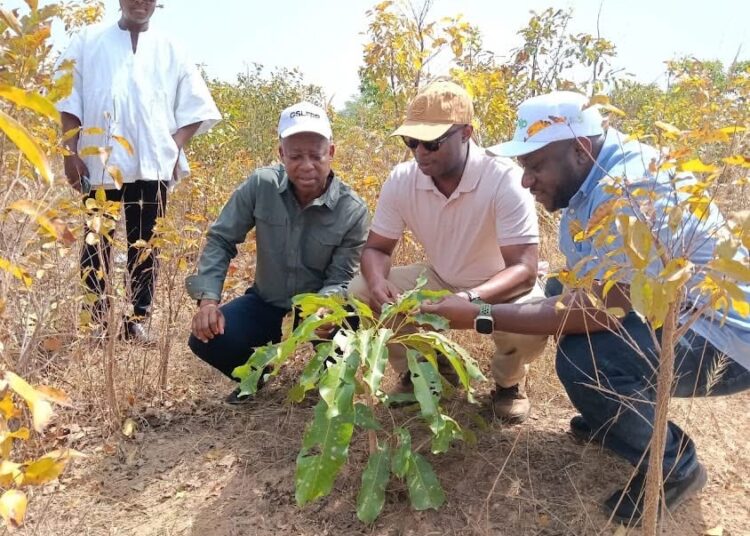
This was highlighted during a working visit by the Chief Executive Officer of the Forestry Commission, Dr. Hugh Clement Adokwei Brown, to restoration sites under the Ghana Shea Landscape Emissions Reductions Project (GSLERP), implemented by the Global Shea Alliance (GSA), where he assessed progress in regenerating degraded shea parklands.
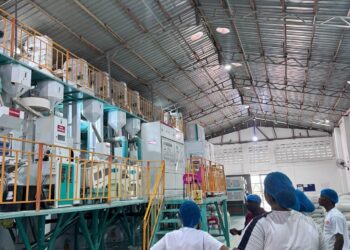
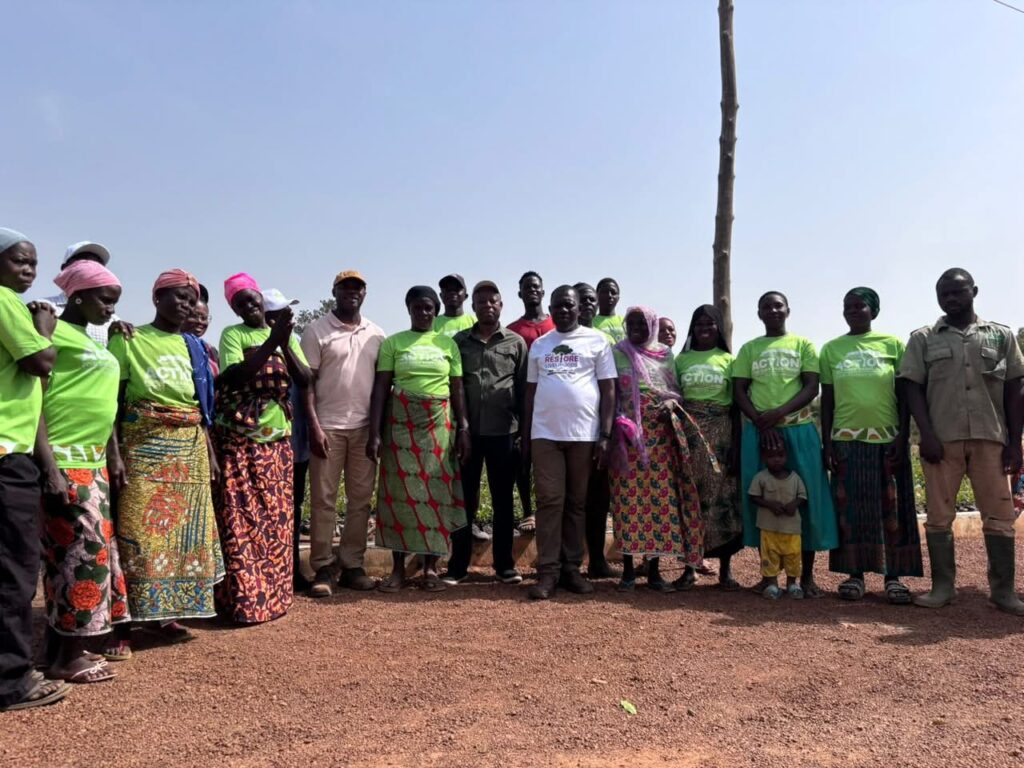
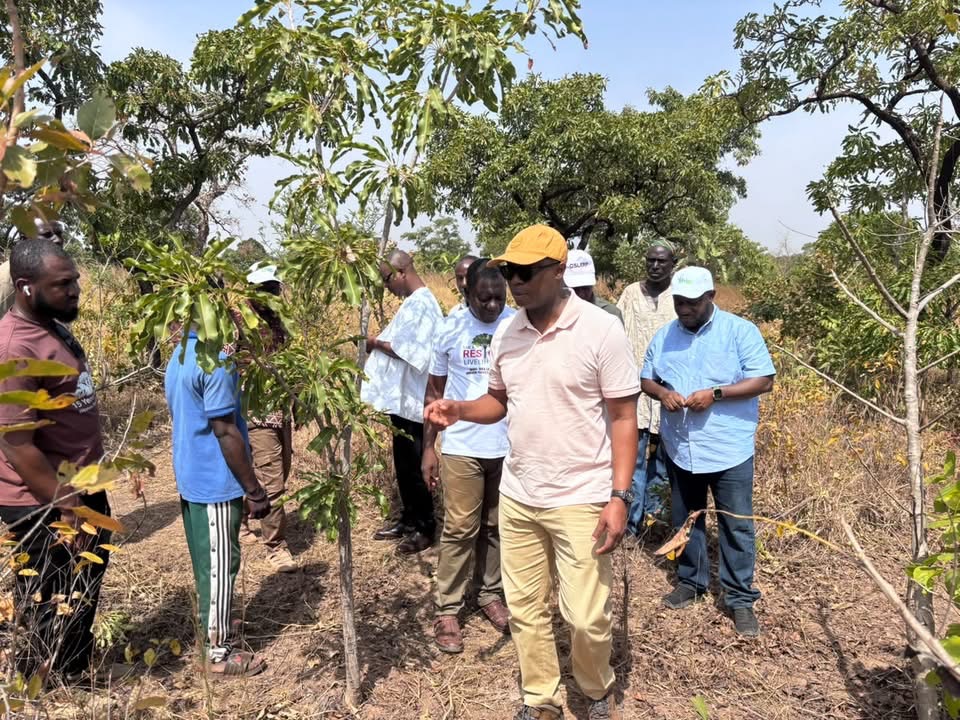
The visit covered the Yipalgu community parkland, the GSA Shea Resource Centre and Green World Initiative’s nursery at Libga, providing an opportunity to examine seedling production, transplantation and survival rates, as well as the investments being made to restore shea-producing landscapes.
“Approximately 10,000 shea seedlings were transplanted at the Yipalgu community parkland in 2024 and 2025, with an estimated 6,000 surviving.”
C.E.O of the Forestry Commission, Dr. Hugh Clement Adokwei Brown
Seedling Survival Becomes Restoration Priority
At Yipalgu, the Forestry Commission CEO assessed the performance of seedlings transplanted over the past two years, with approximately 6,000 of the 10,000 seedlings recorded as surviving.
The figures point to the importance of moving beyond tree-planting campaigns towards sustained monitoring, maintenance and protection of young trees.
For shea restoration programmes, the number of seedlings distributed or planted does not necessarily reflect the long term success of an intervention.
Their ability to survive changing weather conditions, establish strong root systems and mature into productive trees ultimately determines the effectiveness of restoration investments.
Shea trees are particularly valuable because they are long-term natural assets. Unlike crops that provide returns within a single growing season, shea trees require several years to reach maturity and begin producing nuts. Consequently, protecting young seedlings and ensuring their survival is essential to securing future production.
The visit also highlighted the importance of maintaining restoration sites after transplantation, including monitoring seedling development and protecting young trees against environmental pressures.
“Successful shea landscape restoration must be measured not only by the number of seedlings planted but also by the number that survive and develop into productive trees.”
C.E.O of the Forestry Commission, Dr. Hugh Clement Adokwei Brown
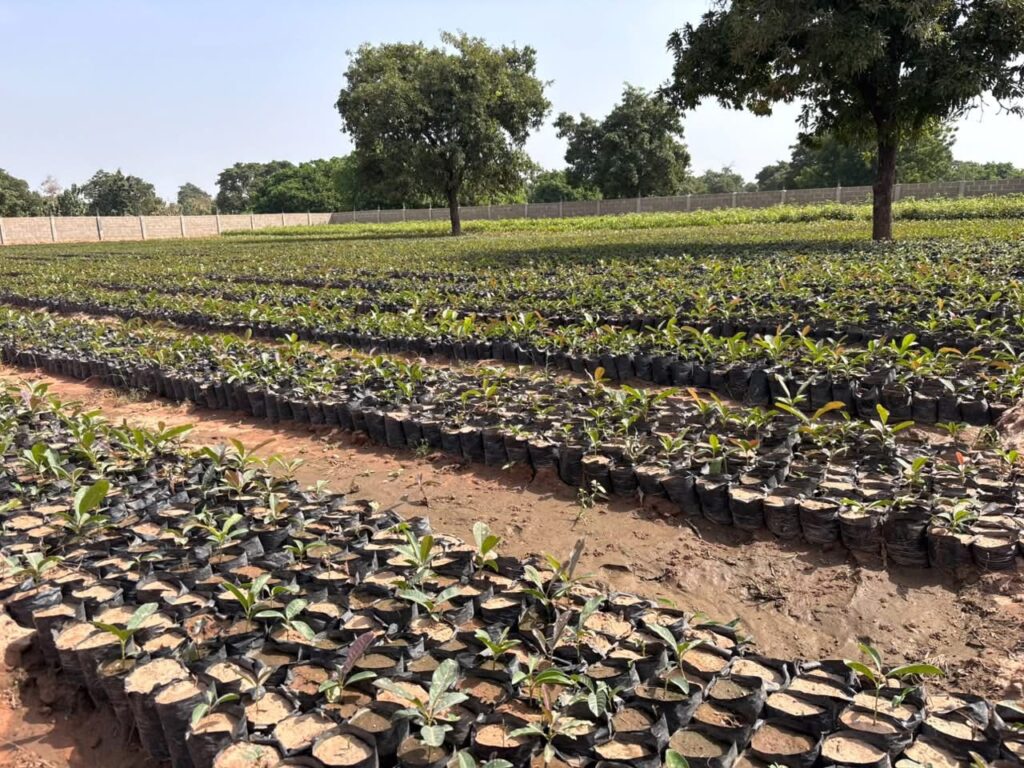
Nurseries Strengthen Future Shea Supply
Seedlings, and Green World Initiative’s nursery at Libga, which has approximately 100,000 seedlings.
The nurseries demonstrate the scale of planting material being mobilised to support the regeneration of Ghana’s shea landscapes.
The availability of seedlings is a significant component of restoration because it provides a foundation for replenishing ageing and degraded shea parklands while expanding the country’s capacity to sustain future nut production.
The investments also reflect the importance of collaboration among implementing institutions, nursery operators, community organisations and private-sector actors in addressing the environmental challenges affecting shea-producing areas.
The Ghana Shea Landscape Emissions Reductions Project is designed to restore degraded savannah landscapes, strengthen climate resilience and improve livelihoods through sustainable management of natural resources.
“The availability of healthy planting materials and the continued survival of transplanted seedlings are essential to rebuilding Ghana’s shea-producing landscapes and securing future raw material supplies.”
C.E.O of the Forestry Commission, Dr. Hugh Clement Adokwei Brown
Shea Restoration Critical to Ghana’s Agribusiness
The economic significance of shea restoration extends beyond environmental conservation, particularly because the shea industry provides an important source of income for women involved in collecting, processing and marketing shea nuts and butter.
Ghana’s shea sector contributes to the production of raw materials used in the cosmetics, personal care and food industries, creating opportunities for domestic enterprises and participation in international value chains.
According to UNDP, Ghana produces between 130,000 and 150,000 metric tonnes of shea nuts annually, valued at approximately US$118 million. However, the sector continues to face challenges relating to market access, coordination and the development of its full commercial potential.
The sustainability of this supply depends significantly on the availability of productive shea trees.
As demand for shea-based products creates opportunities for processors, exporters and other businesses, the depletion of existing trees and inadequate regeneration could undermine the industry’s ability to maintain consistent raw material supplies.
“Protecting shea seedlings today is an investment in tomorrow’s production, rural livelihoods, women’s economic opportunities and the long term competitiveness of Ghana’s shea industry.”
C.E.O of the Forestry Commission, Dr. Hugh Clement Adokwei Brown
Ultimately, the success of Ghana’s shea restoration agenda will depend not simply on the number of seedlings raised and transplanted but on their ability to survive, mature and replenish the country’s shea producing landscapes.
READ ALSO:Fitch Warns $5.05bn Debt Repayments Could Trigger Cedi Slump in 2027