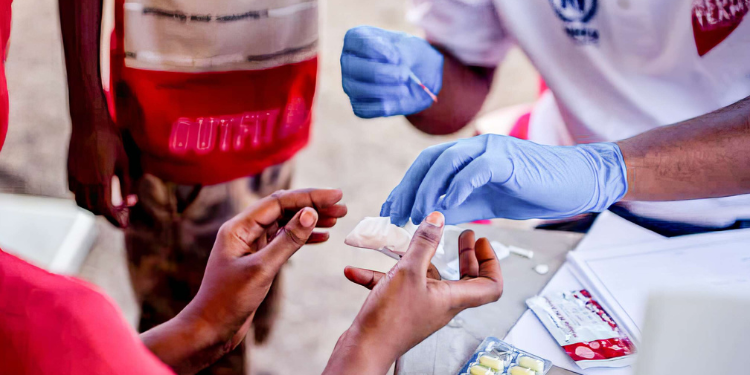
The International Organization for Migration (IOM) has warned that an estimated 100,000 people risk losing access to essential healthcare in South Sudan as funding shortages threaten to shut down the only health clinic serving the Wunthou border crossing with Sudan.
The facility, operated by IOM, provides critical medical services to refugees fleeing the conflict in Sudan, South Sudanese returnees and host communities. However, mounting financial constraints threaten its continued operation, with a possible closure by December 2026 if urgent funding is not secured.
IOM Chief of Mission in South Sudan, Vijaya Souri, noted that the clinic represents a vital healthcare lifeline for people arriving at the border.
“People are arriving at this border after fleeing violence, often injured, sick or exhausted; this clinic is their first opportunity to receive medical care. If it closes, thousands could be left without treatment at the very moment they need it most.”
Vijaya Souri
The situation has been compounded by increasing numbers of people crossing into South Sudan from Sudan, placing further pressure on an already overstretched healthcare facility that continues to deliver more than 1,000 outpatient consultations weekly despite dwindling resources.
Funding Shortages Threaten Critical Healthcare Services
The threatened closure of Wunthou Clinic raises concerns over access to emergency treatment and other essential medical services for displaced populations and vulnerable communities along the Sudan–South Sudan border.
Without immediate financial support, the facility risks suspending services that include emergency medical treatment, maternal healthcare, vaccinations, primary healthcare and other life-saving interventions.
The clinic has become increasingly strained as more people arrive at the border in need of medical attention after escaping violence and enduring dangerous journeys. Many arrive with injuries, untreated illnesses and psychological trauma following prolonged displacement and limited access to healthcare.
Others suffer from infections associated with unsafe drinking water, inadequate sanitation and exposure to harsh conditions during their journeys.
Despite these challenges, healthcare workers continue to provide essential services to thousands of people, making the facility a critical source of medical support for communities with limited alternatives.
The potential shutdown therefore threatens to deepen existing healthcare vulnerabilities, particularly among refugees and returnees who depend on the clinic for immediate medical assistance.
Wunthou Clinic Records Over 400,000 Medical Consultations
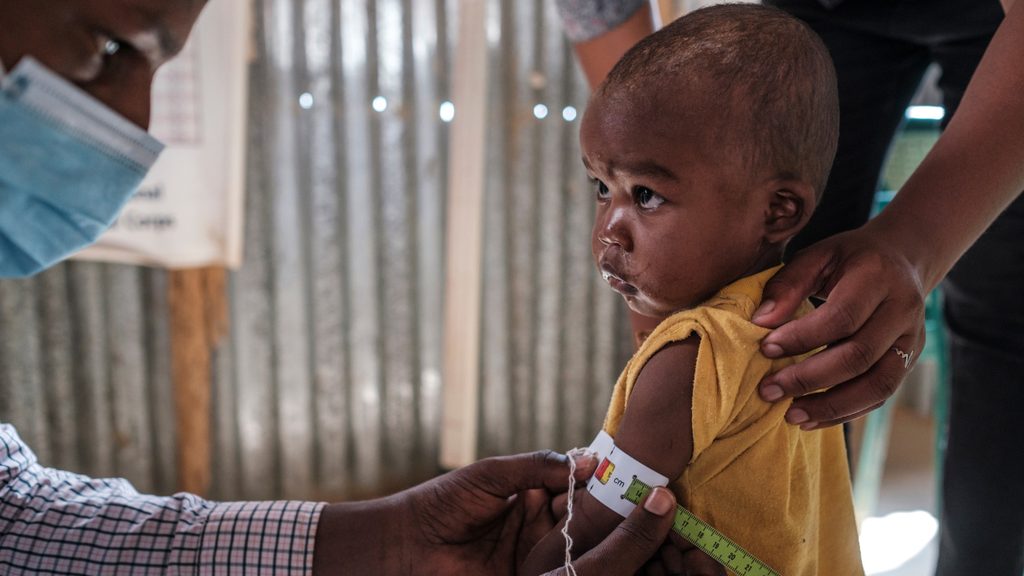
Since the conflict in Sudan erupted in April 2023, Wunthou has emerged as a major humanitarian entry point into South Sudan, receiving nearly all of the 1.3 million people who have crossed the border from Sudan.
The border crossing also serves as a gateway to the Renk Transit Centre, which continues to accommodate significant numbers of South Sudanese returning from Sudan amid the prolonged conflict.
Over the course of the crisis, Wunthou Clinic has provided more than 400,000 medical consultations, administered over 260,000 vaccinations and assisted in the safe delivery of more than 1,000 babies.
Healthcare workers have also stabilised 6,022 critically ill and injured patients before successfully referring them for advanced medical treatment.
These figures highlight the facility’s importance in addressing the growing healthcare needs of people fleeing the conflict, particularly those arriving with serious medical conditions and requiring urgent intervention.
Its role also includes safeguarding public health through infectious disease surveillance, vaccination of new arrivals, and efforts to prevent outbreaks spreading across borders.
IOM warned that interruptions to these services could increase health risks among displaced populations and surrounding communities, while creating wider concerns for global health security.
IOM Seeks $131 Million to Sustain Humanitarian Response
As a result of the continued movement of refugees and returning South Sudanese nationals, demand for essential services has increased, making sustained humanitarian financing critical to maintaining medical assistance and protecting vulnerable populations.
IOM is seeking $131 million through its 2026 South Sudan Crisis Response Plan to deliver humanitarian assistance and support to 1.4 million people affected by the crisis.
The funding appeal is intended to sustain critical humanitarian interventions as displacement and humanitarian needs continue to rise across the country.
However, the immediate financial shortfall facing Wunthou Clinic presents an urgent challenge, with its potential December closure threatening to deprive an estimated 100,000 people of their primary access to essential healthcare.
READ ALSO: IMF Reaches Staff-Level Agreement with Ghana on the First Review under the PCI