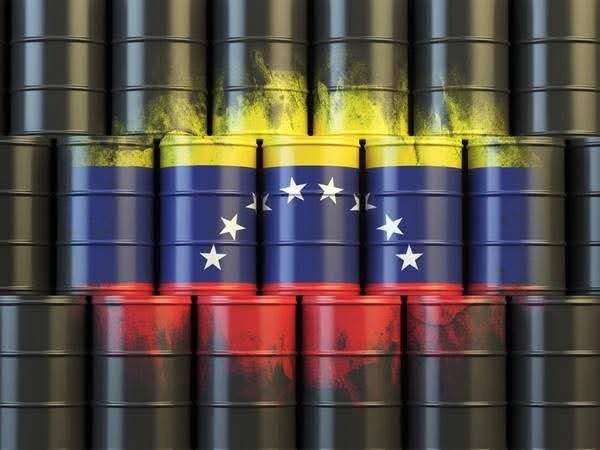
Venezuela will transfer between 30 million and 50 million barrels of sanctioned crude oil to the United States, President Donald Trump announced on days after U.S. forces toppled Venezuelan leader Nicolás Maduro.
In a statement shared on his social media platform, Truth Social, Trump said that the oil would be “sold at its Market Price” and that the proceeds would be under his direct control to benefit both Venezuelans and Americans.
“This oil will be sold at its Market Price, and that money will be controlled by me, as President of the United States of America, to ensure it is used to benefit the people of Venezuela and the United States!”
United States, President Donald Trump
Trump said, underscoring Washington’s intent to leverage Venezuela’s vast hydrocarbon resources in the wake of political upheaval.
Trump’s announcement represents a dramatic shift in U.S.–Venezuela energy relations, occurring against the backdrop of a controversial U.S.-led operation to remove Maduro from power.
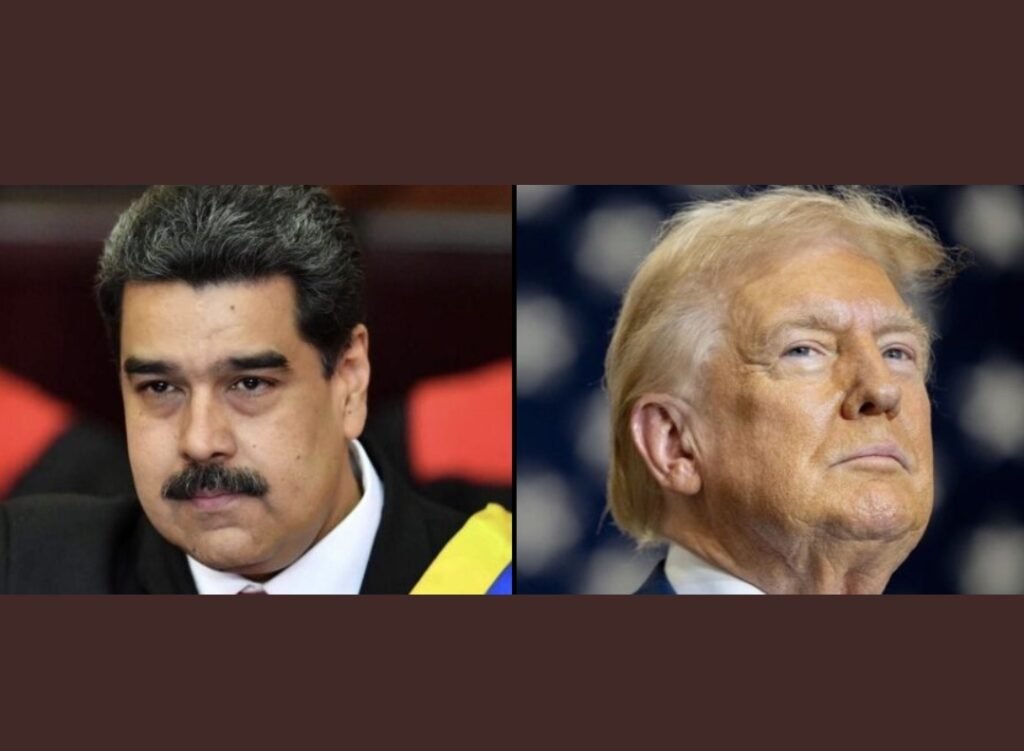
Venezuela, despite decades of economic decline and underinvestment, sits atop the world’s largest proven oil reserves, estimated at more than 300 billion barrels.


According to Trump, the interim authorities now in place in Venezuela have agreed to hand over the oil immediately, with storage vessels set to transport crude directly to U.S. ports.
The plan, he said, is to sell the crude at prevailing market rates and reinvest the proceeds into initiatives that support both Venezuelan citizens and Americans.
Oil Industry’s Role in Venezuela’s Revival
In addition to marketing existing oil stocks, Trump told NBC News that American oil companies could be “up and running” in Venezuela within 18 months, provided the necessary investments are made.
“A tremendous amount of money will have to be spent, and the oil companies will spend it, and then they’ll get reimbursed by us or through revenue.”
United States, President Donald Trump
He also suggested that production timelines could be accelerated, stating, “I think we can do it in less time than that, but it’ll be a lot of money.”
The comments have already drawn interest from industry stakeholders, with Trump reportedly planning meetings with executives from major American oil firms, including Chevron, Exxon and ConocoPhillips, to discuss opportunities in Venezuelan oil extraction and infrastructure rebuilding.
However, analysts caution that reviving Venezuela’s dilapidated oil sector will be far from straightforward. Years of neglect, underinvestment, and a complex regulatory environment mean that restoring production to previous levels could require significant capital and time.
Estimates suggest that the total investment needed to bring Venezuela’s output back near historic highs could exceed $100 billion and take at least a decade.
Chevron’s Position and Industry Caution
At present, Chevron remains the only major U.S. oil company legally operating in Venezuela under a special licence, exporting between 120,000 and 150,000 barrels per day to U.S. markets.
Other oil giants such as ExxonMobil and ConocoPhillips, which once had significant operations in the country, have not yet re-engaged on a large scale, even as Washington encourages renewed investment.
Industry executives have expressed interest in the prospects but remain wary. The challenges span technical, political and commercial hurdles, with heavy crude fields requiring specialised equipment and long-term financial commitments.
Trump’s oil announcement is part of a broader strategy that places energy at the centre of U.S. foreign policy with Venezuela.
The move has already attracted attention in global markets, with energy stocks in the United States rising in response to the news, reflecting investor optimism about future crude opportunities.
Yet, the geopolitical landscape remains fraught. The aggressive intervention that led to Maduro’s capture and the oil handover has drawn criticism from international observers, with concerns about legal and diplomatic ramifications.
Some analysts argue that such actions could reshape global energy alignments and raise questions about sovereign resource control and international norms.
Despite the immediate focus on transferring existing oil barrels to the United States, experts emphasise that transforming Venezuela into a significant exporter once again will be a long-term endeavour.
Restoring crude infrastructure, modernising facilities, and addressing decades of mismanagement are all critical steps that will require concerted efforts from both government and private industry.
READ ALSO: MIIF CEO Vows to Consolidate 2025 Economic Gains as Fund Targets World-Class Status in 2026