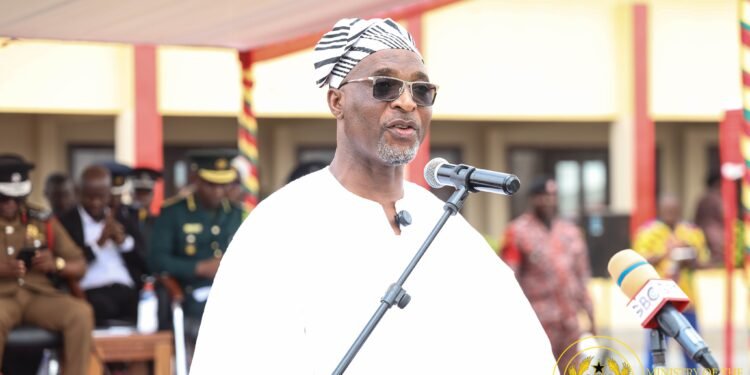
The Governor of the Bank of Ghana (BoG), Dr. Johnson Asiama, has anticipated the challenges ahead in upholding a robust Cedi.
According to Dr Asiama, as gains have been made in strengthening the Ghanaian Cedi, more resolve and dedication are required to sustain the Cedi’s performance. He stressed that the Bank of Ghana is aware of the challenges ahead and is working hard to mitigate them.
This task of upholding the Cedi’s performance depends on strong economic fundamentals. The Governor said that continuous macroeconomic stability and the consolidation of initiatives and policies will support the Cedi’s appreciation and, more importantly, its stability.
“A currency remains strong only when the real economy beneath it is productive, only when the economy beneath it is competitive, and only when the economy beneath it is disciplined.”
Dr Johnson Asiama, Governor of BoG
Cedi’s Current Outcome
According to Dr Johnson Asiama, Ghana’s import cover nears six months, reflected in a high level of international reserves (US$ 13.8 billion) by end of 2025. This, he said, has not been seen in Ghana’s history.
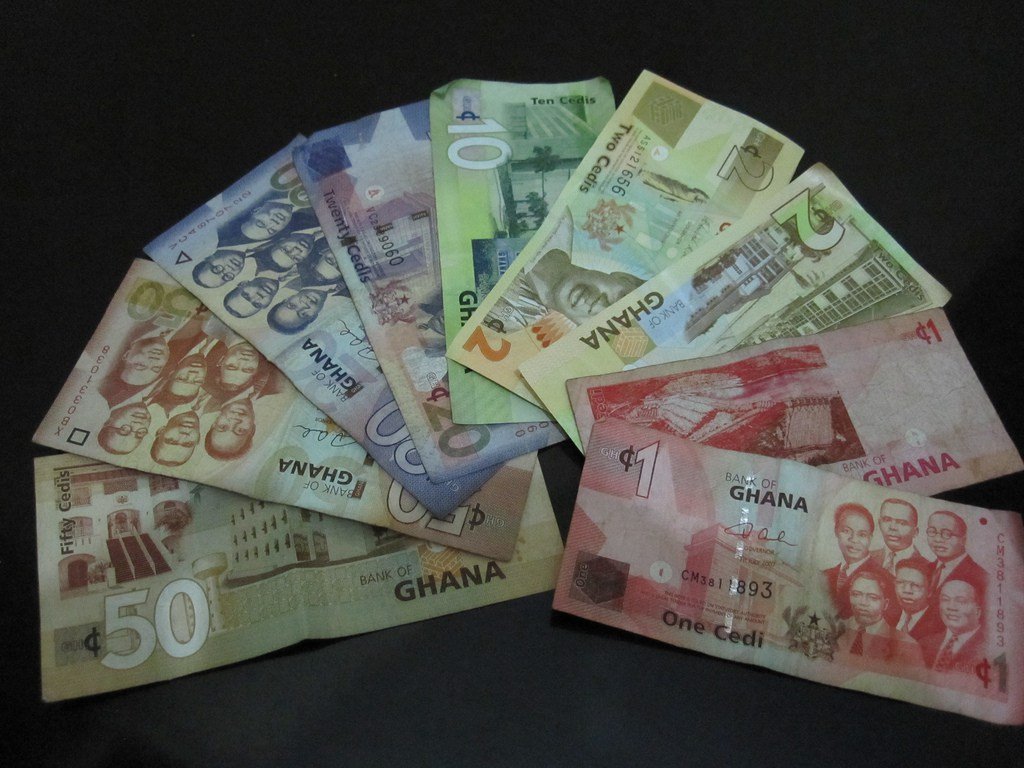
Over the past 12 months, Ghana’s macroeconomic management has strengthened, and trade performance has improved, inspiring confidence in the economy and its managers, both locally and internationally. These fundamentals, along with a robust Cedi – which ended the year in a much stronger position than many would have anticipated a year ago (GHȼ 10.67 per US dollar) – have improved the country’s outlook and the living standards of its people.
Dr Asiama attributed the Cedi’s stronger performance on the African continent “to reflect not only improved sentiment, but also better fundamentals, stronger reserves, reduced inflation, and restored policy credibility.”


Cedi’s Sustainability Measures
To protect this growth, policy impact, and economic sustainability, the Governor reassured Ghanaians that the Bank of Ghana is not complacent about the Cedi’s current status. He, therefore, enjoined all to remain focused and contribute to the Cedi’s sustainability by adhering to the rules of the financial and monetary system.
“However, we remain careful in all these, not to confuse improvements with permanency. Exchange rate stability is not something that can be declared. It must be earned and earned continuously.”
Dr Johnson Asiama, Governor of BoG
He further urged Ghanaians to handle currency notes well and to transact daily business using the Ghanaian currency, the Cedi. The more citizens value and have confidence in the local currency, the stronger it becomes.
“And that is why we see the Cedi’s performance not as a victory lap, but as a responsibility. Sustainability rests on deeper choices.”
Dr Johnson Asiama, Governor of BoG
The choices of economic managers, businesses, traders, households, suppliers, consumers, exporters, producers, entrepreneurs, and Ghanaians must align to facilitate impact. These collective choices include “fiscal restraint instead of excess, production over consumption, exports over imports, and long-term thinking over short-term comfort.”
The collective contribution of all, complementing the efforts of the monetary and fiscal authorities, is the way to sustain the Ghana Cedi. These, Dr Asiama declared, are “not technical matters alone but rather matters of values and conduct.”
Discipline Translates to Stability
The Governor of the Bank of Ghana admitted that encouragement has come from well-meaning and prominent Ghanaians, urging them to be consistent, reduce waste, protect public resources, create real opportunities for all Ghanaians, empower Ghanaian enterprises, support education, and build an economy that trades and produces.

These, he said, align with the Bank’s vision and have been achieved. The economic gains were achieved through discipline and transparency, which translate into the stability Ghana enjoys today.
These unprecedented milestones, Dr Asiama assured, will be protected. He further assured the Bank’s continuous discipline, commitment, hard work, and humility to consolidate the gains for a prosperous and credible Ghanaian economy.
READ ALSO: One Million Coders Initiative Hits 150,000 Milestone Across Ghana