The resumption of operations at the Tema Oil Refinery (TOR) has been described as a timely and strategic intervention for Ghana, particularly at a time when global oil markets remain volatile due to geopolitical tensions and supply uncertainties.
According to Charted Energy Economist Aephaniel Owusu-Agyemang, having a functional domestic refinery is critical for oil-producing countries seeking to reduce costs, improve energy security, and protect consumers from international price shocks.
Commenting on TOR’s return to operations amid global oil uncertainty, Mr. Owusu-Agyemang stressed, “domestic refining plays a central role in limiting Ghana’s exposure to the high costs associated with importing finished petroleum products.”
Ghana has for years relied heavily on imported refined petroleum products, a situation that places pressure on public finances and exposes the economy to exchange rate fluctuations and global price volatility.

Mr. Owusu-Agyemang explained that the operation of the Tema Oil Refinery could significantly reduce these burdens by cutting down the cost of importing finished fuel.


He noted that resources previously used to import refined products could be redirected into other priority sectors of the economy.
“So having this refinery working, actually, is going to take away a lot of costs that governments have to use to import, and it can be used into other things.”
Charted Energy Economist Aephaniel Owusu-Agyemang
The economist described the restart of TOR as an economic opportunity that allows Ghana to take greater control of its petroleum value chain, from crude acquisition to refining and distribution.
Potential Relief for Consumers

Beyond savings at the government level, Mr. Owusu-Agyemang believes local refining could translate into more affordable fuel prices for consumers.
He explained that importing refined products usually comes with added costs, including processing margins and international market premiums, which are ultimately passed on to Ghanaian motorists.
“So I think the government’s having Tema Oil Refinery working has come at a very good time where the government would be able to get oil to refine it and then sell it at cheaper rates to the Ghanaian economy.”
Charted Energy Economist Aephaniel Owusu-Agyemang
He contrasted this with the current import-dependent model, where refined products are purchased at international market prices that already include value addition abroad.
“Rather than going out there to buy refined oil, bring it into the country, which obviously once they add the value to which way it has been refined into the finished products, there is going to be a market price being added to it.”
Charted Energy Economist Aephaniel Owusu-Agyemang
According to him, refining locally reduces the layers of pricing, enabling consumers to benefit from relatively lower costs at the pump.
“But in a circumstance where we are doing it locally, that market price would be added to the prices, and then we can make sure consumers in the markets gets a cheaper oil at the end of the day,.”
Charted Energy Economist Aephaniel Owusu-Agyemang
Energy Diversification as Long-Term Strategy

While highlighting the importance of TOR, the energy economist also underscored the need for Ghana to accelerate its energy diversification efforts.
“I think government is doing well especially when it comes to the governments of Ghana investing renewable,” Mr. Owusu-Agyemang said, adding that diversification should remain a core part of national energy planning.
He observed that global energy trends are increasingly shifting away from traditional fossil fuels toward cleaner and more sustainable alternatives.
“If you look at where the world is going now, the world is moving away from this traditional use of energy, that is the oil, into more renewables.”
Charted Energy Economist Aephaniel Owusu-Agyemang
According to Mr. Owusu-Agyemang, a balanced energy mix that combines oil refining capacity with strong investments in renewables such as solar and wind could significantly reduce Ghana’s vulnerability to external shocks.
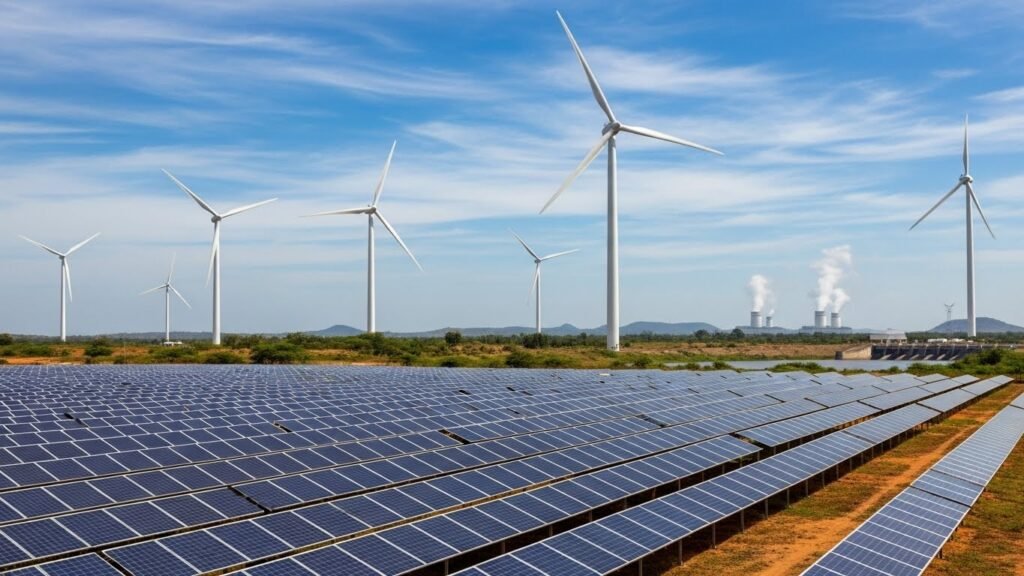
“Governments should look at avenues within the economy and within the sector and do more investment into solar into wind energy and other ones, and add it to the traditional way of using energy.”
Charted Energy Economist Aephaniel Owusu-Agyemang
In his view, such a strategy would provide a strong buffer against global market disruptions. “If government is able to do that very well and strategize, I think if there is any shock in the global markets, the impact will be low,” he concluded.
As global oil markets continue to respond to geopolitical developments and supply uncertainties, the restart of the Tema Oil Refinery is being seen by analysts as a critical step toward strengthening Ghana’s energy security.
Combined with a deliberate push toward renewable energy, the move could help stabilize fuel prices, ease fiscal pressure, and position the country for a more resilient and sustainable energy future.
READ ALSO: Asantehene Demands Political Immunity For Bank Of Ghana At Bank Square