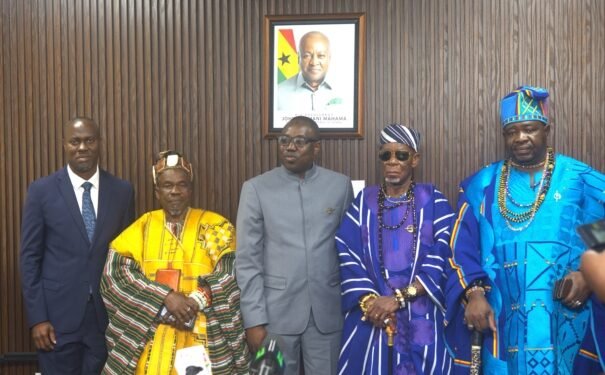
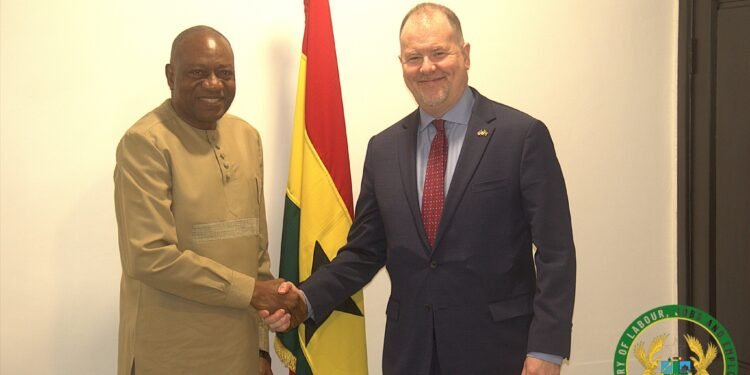
Ghana is stepping up efforts to consolidate its position as a climate leadership hub on the African continent, as the Minister of State in charge of Climate Change and Sustainability, Hon. Seidu Issifu, paid a working visit to the Minister for Foreign Affairs and Regional Integration, Hon. Samuel Okudzeto Ablakwa.
The engagement forms part of a broader government strategy to align diplomacy, sustainability policy, and international partnerships in support of Ghana’s green transition.
During the meeting, Hon. Issifu outlined the vision, mandate, and evolving agenda of the Office of the Minister of State in charge of Climate Change and Sustainability (OMSCCS), stressing the importance of collaboration at both national and international levels.
According to him, effective climate action must be anchored in “multi-sector involvement, international engagement, and strategic partnerships.”
“Ghana’s approach to climate governance is shifting toward stronger coordination, evidence-based policy, and sustained diplomatic engagement to unlock opportunities for climate finance and technical support.”
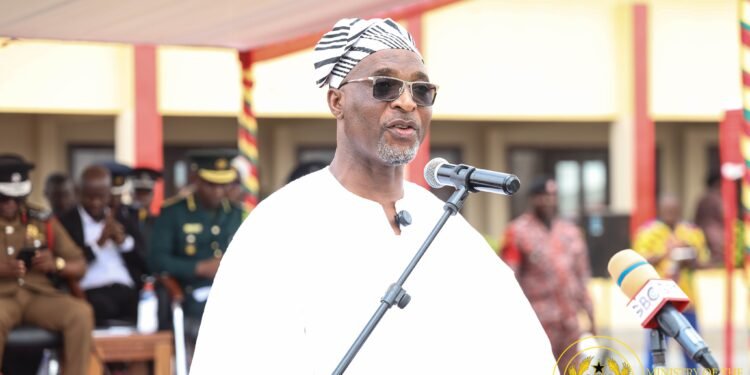
Hon. Seidu Issifu, Minister of State in charge of Climate Change and Sustainability
As part of this agenda, Hon. Issifu highlighted ongoing institutional reforms aimed at harmonising climate action across sectors. These include the establishment of an Inter-Ministerial and Agency Technical Working Group that brings together government ministries, agencies, civil society organisations, and the private sector to ensure coherence in climate-related interventions.
Strengthening Institutional Coordination
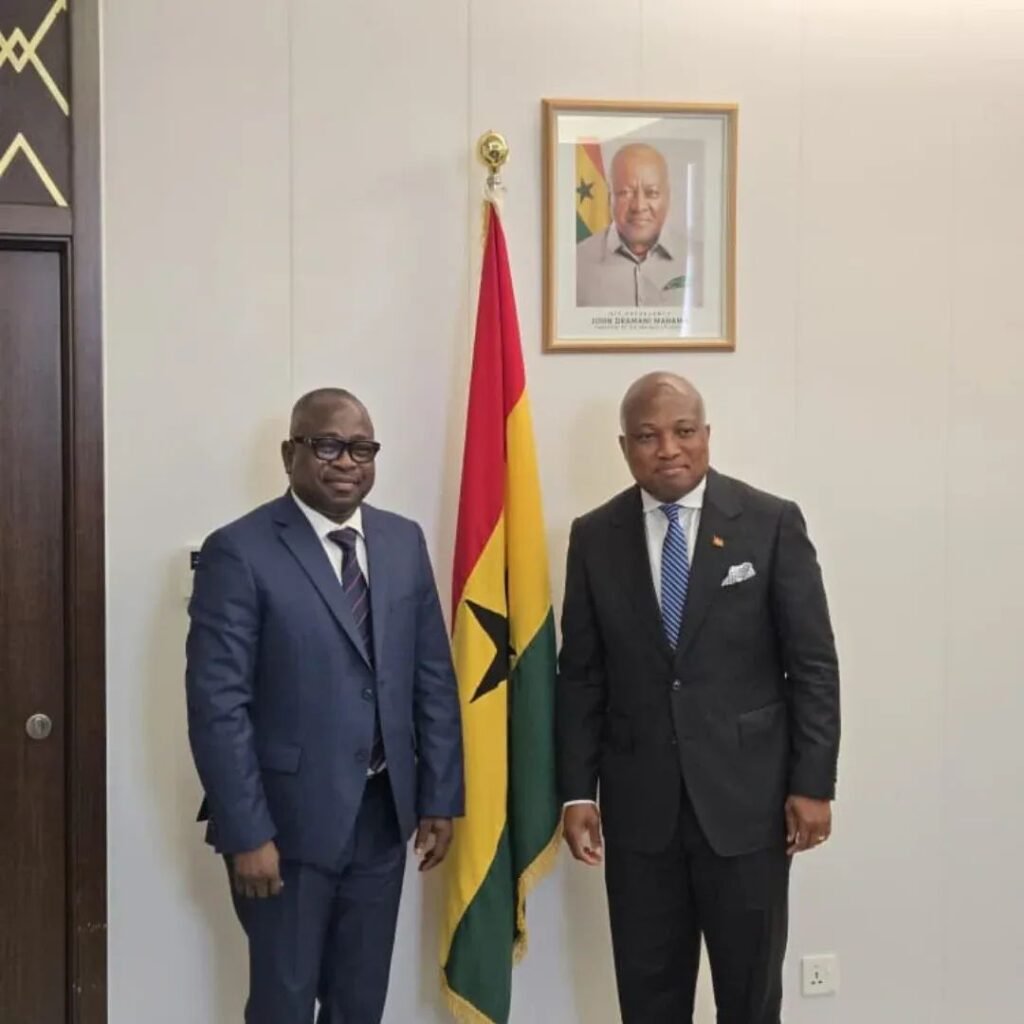


The Minister of State also disclosed plans to create a National Climate and Sustainability Hub, which will serve as a central platform for climate data management, research coordination, financing mechanisms, and capacity building.
He noted that fragmented data and uncoordinated initiatives have historically weakened climate planning, and the proposed hub is intended to address these gaps.
In addition, Hon. Issifu said his office is working to institutionalise Climate Change and Sustainability Units across public agencies to mainstream climate considerations into national planning and development processes.
This, he explained, would ensure that climate resilience and sustainability are integrated into infrastructure development, energy policy, agriculture, and urban planning.
He emphasised that “climate action cannot succeed if it is treated as a standalone issue,” adding that embedding sustainability into public sector operations is essential for long-term impact.
Leveraging Diplomacy for Climate Action
A major focus of the discussions was the role of Ghana’s diplomatic missions in advancing national climate interests. Hon. Issifu underscored the strategic importance of leveraging embassies and international missions to promote Ghana’s climate agenda, attract green investments, and build partnerships around mitigation and adaptation initiatives.
He noted that diplomatic platforms offer unique opportunities to engage multilateral institutions, development partners, and private investors who are increasingly prioritising climate-aligned projects.
According to him, Ghana’s foreign missions can play a critical role in positioning the country as a credible destination for climate finance and sustainability-focused investments.
The Foreign Affairs Minister, Hon. Samuel Okudzeto Ablakwa, welcomed the engagement and reaffirmed the ministry’s readiness to support Ghana’s climate diplomacy efforts, recognising climate change as a key pillar of modern foreign policy.
Climate Finance, Carbon Markets, and Debt Relief
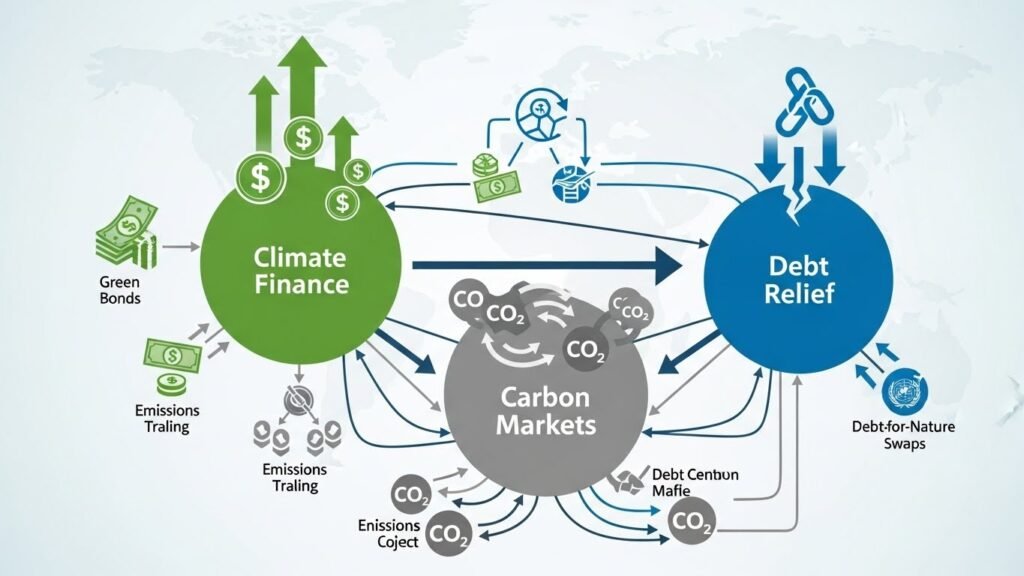
Financing Ghana’s green transition emerged as a central theme of the meeting. Hon. Issifu highlighted the growing relevance of climate finance, particularly carbon credit markets, as emerging revenue opportunities for the country.
He explained that Ghana’s natural resources, land use systems, and renewable energy potential place it in a strong position to benefit from global carbon markets if supported by the right policy frameworks and institutional capacity.
Properly structured, carbon credit initiatives could help mobilise resources for climate projects while supporting livelihoods and environmental protection.
The Minister of State also pointed to the broader global conversation around climate finance and debt relief, noting that many developing countries face constrained fiscal space as they attempt to respond to climate impacts.
He stressed the importance of international advocacy to ensure fair access to concessional financing and climate-linked debt solutions.
With climate impacts increasingly affecting food security, infrastructure, and livelihoods, Ghana’s leadership is positioning sustainability as a central pillar of national development.
As Ghana continues to advance its climate agenda, officials believe that sustained diplomatic engagement, institutional reform, and innovative financing will be critical to delivering long-term resilience and inclusive growth.
READ ALSO: GRA Assists GUTA to Address Transitional Issues with New VAT Reforms