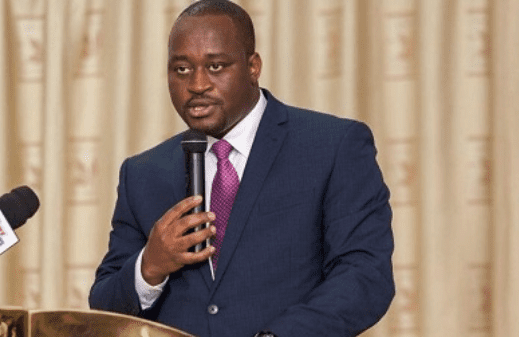
Renowned Economist Dr Theo Acheampong has hailed Ghana’s headline inflation rate of 5.4 percent in December 2025 as one of the lowest inflation outcomes the country has experienced since the early 2000s and, by some historical measures, since the mid-1980s.
The figure reflects a sustained period of disinflation and signals notable progress in restoring macroeconomic stability after years of elevated price pressures. Dr Theo Acheampong, who doubles as a Technical Advisor at the Ministry of Finance, analysed data from the Bank of Ghana data portal alongside rebased figures from the Ghana Statistical Service.
According to him, the December 2025 inflation reading stands out not only in recent history but also in the broader context of Ghana’s inflation trajectory over several decades. He described the outcome as historic, noting that it reflects the cumulative impact of fiscal discipline, monetary tightening, and structural reforms implemented across the economy.
Dr Acheampong was careful to clarify the significance of the data, stressing that lower inflation, technically referred to as disinflation, does not imply that prices have fallen.
Rather, it indicates that prices are increasing at a much slower and more manageable pace. This distinction, he explained, is critical for public understanding, as households may still experience high price levels even when inflation is declining.

The key difference lies in the rate of increase, which has now eased considerably. The December inflation outcome capped a year of consistent moderation in price pressures and reinforced signs of improving macroeconomic conditions.
Consumer Confidence and Business Planning
Economists view the trend as particularly important for consumer confidence and business planning, as predictable inflation reduces uncertainty and supports longer-term investment decisions.
For households, the easing of inflation offers some relief after prolonged periods of rising living costs, even as the adjustment process continues. Ghana’s economic managers have pointed to structural reforms as central to sustaining the gains achieved so far.
According to Dr Acheampong, the focus is no longer limited to stabilisation but has shifted toward deepening reforms that ensure the benefits of lower inflation are passed on to households and businesses in a durable manner.
This approach reflects lessons from past episodes where short-term improvements were reversed due to weak underlying fundamentals. He cited recent remarks by the Governor of the Bank of Ghana at the University of Ghana New Year School, which reinforced this cautionary stance.
The Governor warned against mistaking improvement for permanence, emphasising that currency and price stability depend on the strength of the real economy.

He noted that a stable currency can only be sustained when the economy beneath it is productive, competitive, and disciplined. These conditions, he argued, are essential for locking in the progress achieved through monetary and fiscal measures.
The PCF Principle
Dr Acheampong echoed this position, framing Ghana’s current policy direction around what he described as the PCF principle: productivity, competitiveness, and fiscal discipline.
He explained that productivity gains are needed to expand output and reduce cost pressures across sectors, while competitiveness ensures that Ghanaian goods and services can hold their own both domestically and internationally.
Fiscal discipline, meanwhile, remains critical to preventing a return to excessive deficits that could reignite inflationary pressures. The government’s 2026 budget reforms are designed to advance these objectives.
Industrial policy initiatives, infrastructure investments, and broader economic programmes are being aligned to support productivity and competitiveness while maintaining tight control over public finances.
Among the flagship interventions cited are the 24 Hour Economy initiative and the Big Push infrastructure programme, which aim to expand economic activity, improve logistics, and reduce structural bottlenecks that have historically driven up costs.
Analysts note that infrastructure investment, when well managed, can play a significant role in sustaining low inflation by improving supply chains, reducing transportation costs, and boosting domestic production.
Similarly, policies that support manufacturing, agro processing, and value addition are expected to help stabilise prices over the medium term by reducing reliance on imports and exposure to external shocks.
Cautious Call
While the December inflation figure has been widely welcomed, economists and policymakers alike continue to urge caution. Global economic conditions remain uncertain, with risks ranging from commodity price volatility to geopolitical disruptions.
Domestically, maintaining discipline in an election cycle and ensuring effective implementation of reforms will be key tests for economic managers.
Dr Acheampong underscored that the gains recorded so far should be viewed as a foundation rather than a destination. He noted that sustaining low inflation requires consistent policy coordination, strong institutions, and a commitment to reforms even when conditions improve.

In his view, the December 2025 inflation outcome demonstrates what is possible when policy discipline is combined with structural change, but it also highlights the need for vigilance to prevent backsliding.
As Ghana enters 2026, the 5.4 percent inflation reading stands as a significant milestone in the country’s economic recovery. Whether it becomes a lasting feature of the macroeconomic landscape will depend on the ability of policymakers to entrench productivity, competitiveness, and fiscal discipline as permanent pillars of economic management.
READ ALSO: MahamaCares Partners MoH to Build Three State-of-the-Art Catheterization Labs