Tag: Ghana Statistical Service

  • Ato Forson Orders Urgent GDP, CPI Rebasing

    Ato Forson Orders Urgent GDP, CPI Rebasing

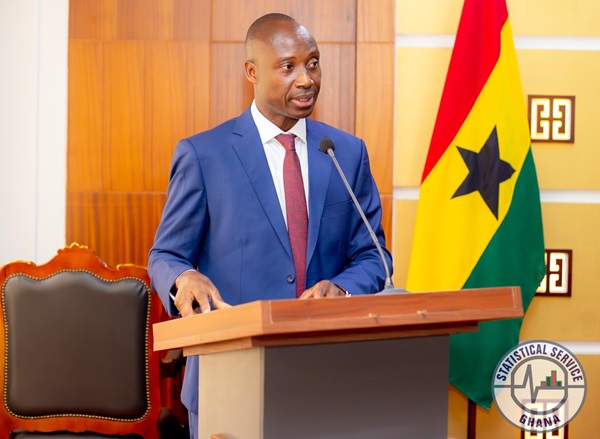
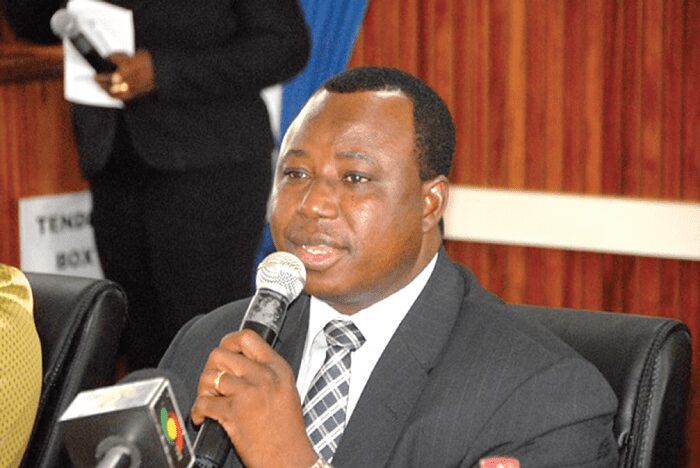
    Finance Minister Dr. Cassiel Ato Forson has directed the Ghana Statistical Service (GSS) to make the rebasing of Ghana’s Gross Domestic Product (GDP) and Consumer Price Index (CPI) its top priority, describing the two exercises as essential to improving the accuracy and credibility of the country’s economic data.

    The Finance Minister said the government wants the GSS to dedicate its efforts to completing the statistical exercises over the next year, with the work expected to continue through the second half of 2027.

    The directive signals the government’s determination to strengthen the country’s statistical system and ensure policymakers, investors and development partners have access to reliable data for decision making.

    Accurate Data Takes Centre Stage

    Speaking during the formal transfer of the former Ministry of Finance building to the Ghana Statistical Service, Dr. Forson stressed that the rebasing of GDP and CPI should remain the institution’s primary focus.

    “This year, Government Statistician, I know where our focus is. I want to see GDP rebased appropriately, and I know it will take some time to do good work. I’m sure one year from now we will be about finishing, and also the CPI rebasing. That should be our focus for now until the second half of 2027.” 

    Dr. Cassiel Ato Forson

    His comments underscore the government’s recognition that quality economic data forms the foundation of effective governance and sustainable economic development.

    Why GDP Rebasing Matters

    GDP rebasing is a critical statistical exercise that updates the base year used to calculate the size and structure of an economy. As economies evolve over time, new industries emerge, consumer behaviour changes and business activities expand into sectors that may not have existed during previous base years.

    Without periodic rebasing, official GDP figures may fail to capture the true value of economic activity, leading to outdated estimates of national output.

    An updated GDP provides policymakers with a more accurate picture of the country’s economic performance. It also helps investors better understand market opportunities while allowing government agencies to make informed decisions on budgeting, taxation and development planning.

    For a growing economy like Ghana, rebasing is expected to reflect structural changes that have taken place across sectors such as technology, digital services, manufacturing, agriculture and finance.

    CPI Rebasing Equally Crucial

    Alongside GDP rebasing, the Finance Minister has instructed the Ghana Statistical Service to prioritise the rebasing of the Consumer Price Index.

    The CPI measures changes in the prices consumers pay for goods and services over time and serves as Ghana’s primary measure of inflation.

    Rebasing the CPI involves updating the basket of goods and services used in calculating inflation so that it reflects current household spending patterns.

    Consumer preferences change over time as new products enter the market and lifestyles evolve. A revised CPI basket therefore ensures inflation figures accurately represent what households are actually purchasing.

    Reliable inflation data plays a critical role in monetary policy decisions by the Bank of Ghana, wage negotiations, business planning and social protection programmes.

    Reliable Statistics Drive Better Policies

    Dr. Forson emphasised that up to date national statistics remain indispensable for effective economic management.

    Accurate data enables government to assess the health of the economy, evaluate the impact of public policies and allocate resources more efficiently.

    Reliable statistics also strengthen investor confidence by providing transparent information about economic conditions.

    Development partners and international financial institutions equally rely on official statistical data when assessing Ghana’s economic performance and designing support programmes.

    By prioritising both GDP and CPI rebasing, the government hopes to improve the overall quality of national statistics and enhance confidence in official economic indicators.

    Government Boosts GSS Capacity

    The announcement coincided with another significant milestone for the Ghana Statistical Service.

    Government formally transferred the former Ministry of Finance building to the GSS, providing the institution with additional office space to support its expanding operations.

    The move is expected to strengthen the agency’s institutional capacity as it undertakes several national statistical programmes, including the ambitious GDP and CPI rebasing exercises.

    Additional office space is expected to improve coordination among technical staff, facilitate data processing and provide a better working environment for statistical experts involved in nationwide surveys and data analysis.

    The investment also reflects government’s commitment to equipping the Ghana Statistical Service with the resources needed to deliver high quality statistics.

    Looking Ahead to 2027

    The Finance Minister’s directive establishes a clear roadmap for Ghana’s statistical system over the next two years.

    Completing both GDP and CPI rebasing will provide policymakers with more reliable indicators for measuring economic growth and inflation, two of the country’s most important macroeconomic benchmarks.

    The updated statistics are expected to improve national planning, strengthen fiscal and monetary policy decisions and enhance Ghana’s credibility among investors and international institutions.

    As the Ghana Statistical Service embarks on these critical exercises with expanded operational capacity, expectations will be high that the new data will present a more accurate reflection of Ghana’s evolving economy and changing consumer landscape.

    If successfully completed within the projected timeline, the rebasing exercises could become one of the most significant statistical reforms in recent years, providing a stronger foundation for economic planning and sustainable national development.

  • Growth Without Jobs Not Enough, Ofoase Ayirebi MP Points Out

    Growth Without Jobs Not Enough, Ofoase Ayirebi MP Points Out

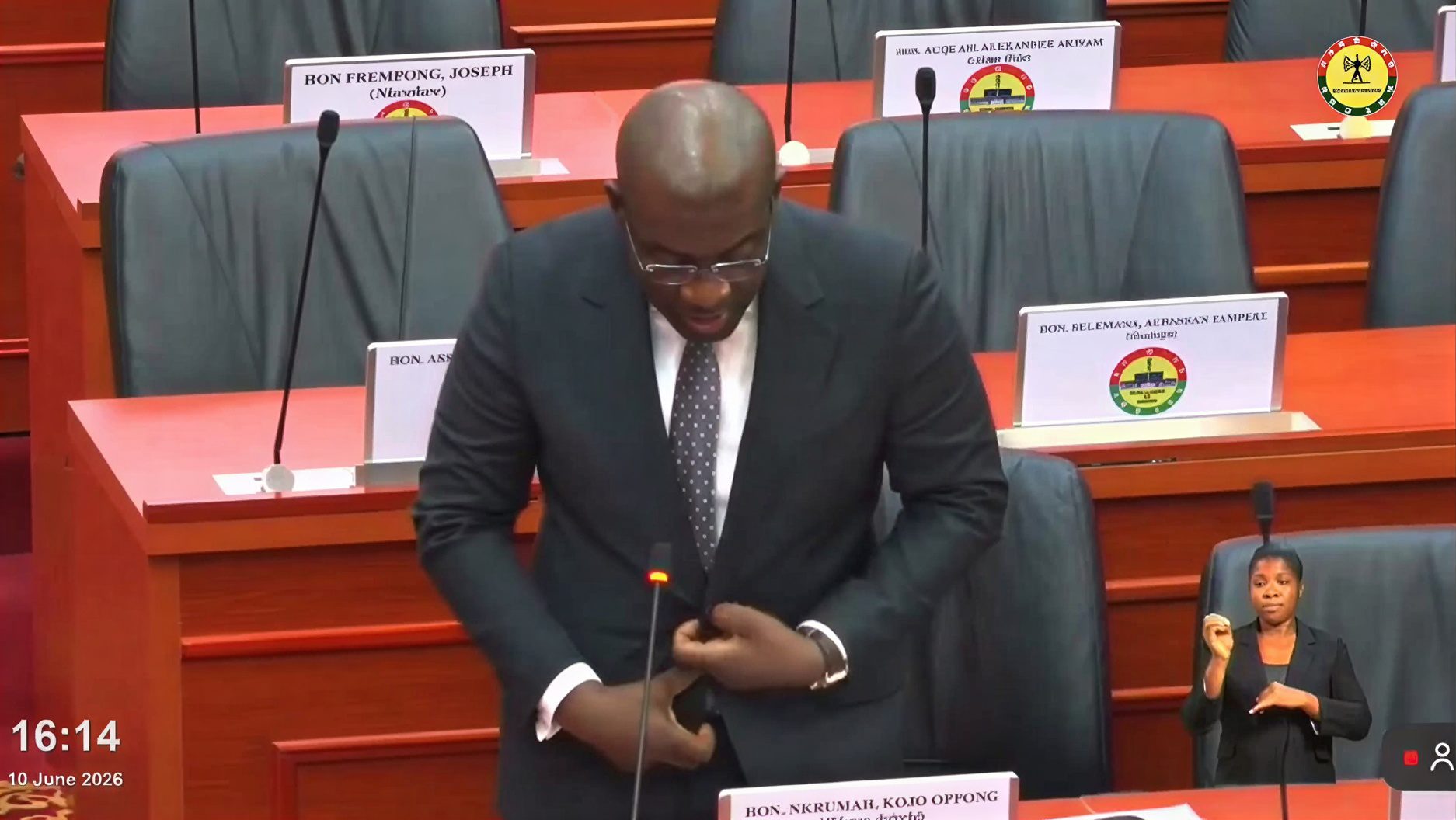
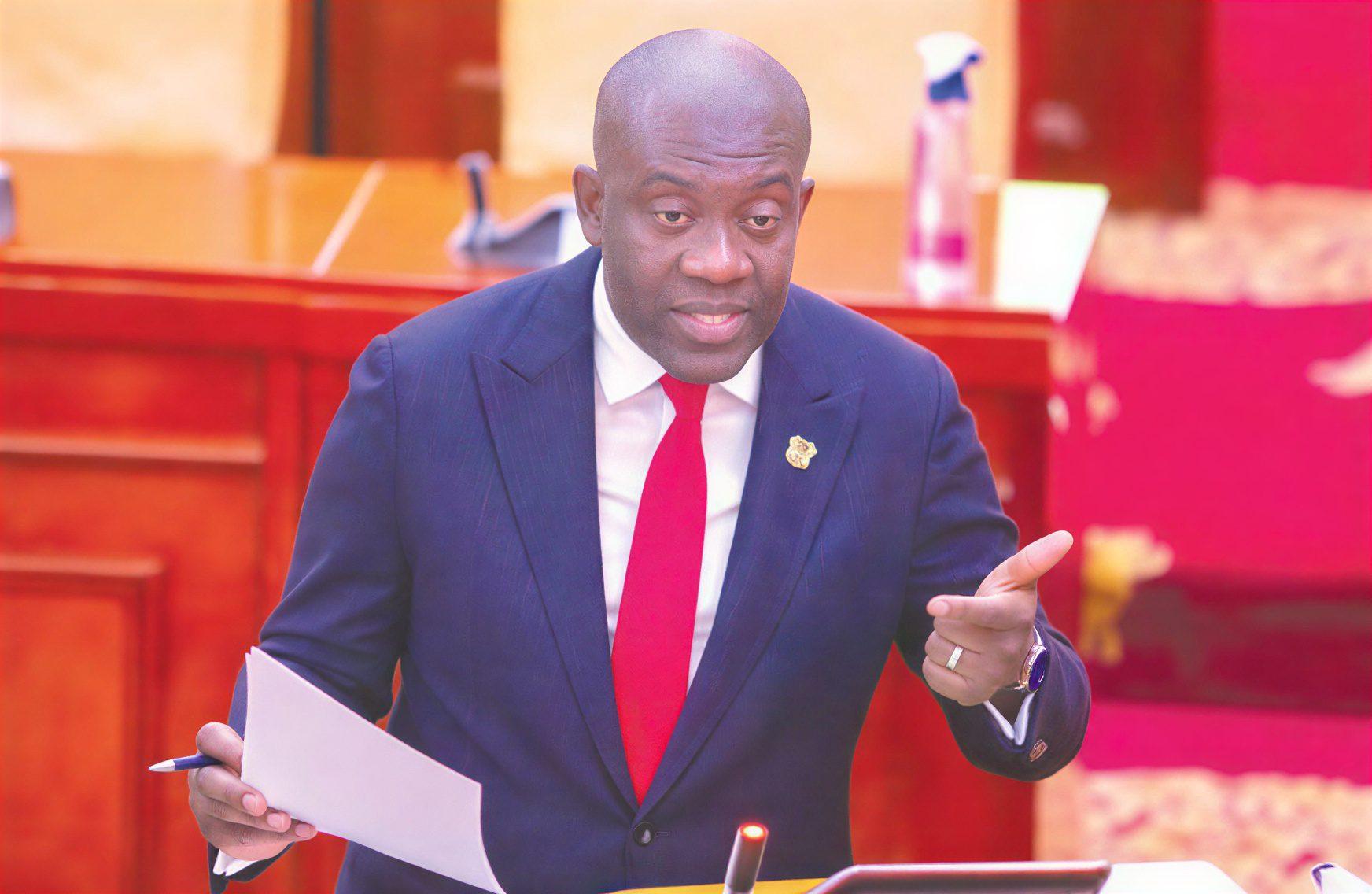
    The Member of Parliament for Ofoase Ayirebi and Ranking Member for Economy and Development Committee, Honourable Kojo Oppong Nkrumah has argued that recent economic growth figures must be assessed alongside their impact on employment creation. He emphasised that data from the National Development Planning Commission’s Annual Progress Report shows a gap between economic expansion and the ability of businesses to create jobs.

    Honourable Nkrumah explained that while Ghana recorded growth in 2025, much of the increase came from the services sector, which he said has limited capacity to absorb large numbers of job seekers. The Ranking Member noted that sectors such as manufacturing, which traditionally provide significant employment opportunities, recorded weaker performance during the period.

    Honourable Kojo Oppong Nkrumah

    According to him, Information and Communications contributed significantly to services sector growth, while industrial activities continue to struggle. He argued that the imbalance between sectors has made it difficult for economic growth to translate into employment opportunities for young people.

    “Economic growth figures must be examined alongside employment creation because growth without jobs does not solve the challenges facing citizens. If I have a business and nobody is buying, why would I employ somebody?”

    Honourable Kojo Oppong Nkrumah

    Furthermore, the Ofoase Ayirebi MP linked the unemployment situation to economic policies that have reduced purchasing power within the economy. He explained that businesses require strong demand for goods and services before expanding operations and employing additional workers.

    The Ranking Member added that traders and manufacturers have reported difficulties caused by reduced consumer demand and rising production costs. He stated that when businesses struggle to sell products or manage expenses, their ability to recruit more workers becomes limited.

    Addressing the findings from state institutions, Honourable Nkrumah commended organisations such as the NDPC and the Ghana Statistical Service for publishing economic data for public discussion. He urged policymakers to carefully consider the information provided by these institutions when designing economic interventions.

    Moreover, he argued that transparency from public institutions remains important in helping citizens understand the condition of the economy. The former Minister of Information said economic decisions must focus on creating conditions that encourage businesses to grow and generate employment.

    Economic Policies Face Scrutiny Over Rising Youth Unemployment

    The Ranking Member for Economy and Development Committee also raised questions about policies aimed at reducing unemployment among young people following reports of increasing joblessness across the country. Honourable Kojo Oppong Nkrumah stated that recent figures from the Ghana Statistical Service showed youth unemployment reaching significant levels.

    He explained that the latest labour market statistics indicated youth unemployment had risen to 32.4 percent, with Greater Accra recording a situation where about one out of every two young people is without work. The Ofoase Ayirebi MP argued that the situation requires urgent attention through policies that support industrial expansion.

    Honourable Kojo Oppong Nkrumah

    According to him, job creation depends heavily on strengthening local production and building industries capable of employing large numbers of people. He stated that economic measures focused mainly on stabilising key indicators must also consider their effect on businesses and employment.

    Furthermore, Honourable Nkrumah criticised changes to previous industrial initiatives, particularly the One District One Factory programme. He said the National Development Planning Commission had reported that about 150 factories under the initiative were operational by the end of 2024.

    The Ranking Member argued that replacing industrial incentives without introducing stronger alternatives could affect the growth of local manufacturing. He explained that industries require supportive policies to encourage investment and expand employment opportunities.

    “The economy needs a strong industrial policy that gives businesses the confidence to invest, produce and create jobs for young people.”

    Honourable Kojo Oppong Nkrumah

    Additionally, he questioned the effectiveness of the 24 Hour Economy policy, arguing that expanding trading hours alone would not address the production challenges facing the country. He suggested that sustainable employment depends on increasing local manufacturing capacity and supporting businesses that produce goods.

    The MP also raised issues concerning changes within the automobile assembly sector, stating that the removal of incentives had affected companies that invested in local production facilities. He urged authorities to strengthen policies that encourage high value manufacturing and export development.

    In light of the unemployment figures, Honourable Nkrumah stressed that economic growth must be connected to productive sectors capable of absorbing workers. He argued that countries such as Morocco have developed stronger industrial bases through manufacturing and export focused strategies.

  • Services Drive Ghana’s Economic Expansion to 4.7%

    Services Drive Ghana’s Economic Expansion to 4.7%

    Ghana’s economy continued to demonstrate resilience in April 2026, recording a 4.7% year on year growth despite signs of moderating momentum across key sectors. 

    The latest figures released by the Ghana Statistical Service (GSS) show that the country’s services sector remained the biggest engine of growth, while stronger mining activity helped sustain expansion in the industrial sector.

    Although the pace of growth slowed from the impressive 7.4% recorded in April 2025, the latest data suggest that Ghana’s economy is still on a firm growth path, with all three major sectors of the economy posting positive performances.

    The figures, captured in the Monthly Indicator of Economic Growth (MIEG), also reveal a steady upward trajectory over the past three years, highlighting the economy’s ability to withstand both domestic and global challenges.

    Services Sector Dominates Economic Activity

    The services sector once again proved to be the backbone of Ghana’s economy, recording a robust 6.0% year on year growth in April 2026.

    According to the Ghana Statistical Service, services accounted for an impressive 61.7% of the country’s overall economic expansion during the month, making it by far the largest contributor to national growth.

    The sector’s strong performance was driven largely by activities within the Information and Communication subsector, reflecting increasing digitalisation, expanding telecommunications services, and growing demand for technology driven business solutions.

    The continued dominance of services reinforces its critical role in supporting employment, business activity, financial services, trade, transport, hospitality and other sectors that directly influence consumer spending and investment.

    Mining Powers Industrial Recovery

    While services remained the biggest contributor, the industrial sector also delivered encouraging results.

    Industry expanded by 4.0% in April 2026, a significant improvement from the modest 1.1% growth recorded during the same period in 2025.

    The rebound was largely fuelled by stronger mining output, which continued to benefit from increased production and stronger demand for Ghana’s mineral resources.

    Mining alone played a major role in supporting industrial activity, helping the sector contribute 29.9% of the country’s overall economic growth during the month.

    The performance further highlights the importance of Ghana’s extractive industries in sustaining national economic output and generating export earnings.

    Agriculture Returns to Positive Territory

    Perhaps one of the most encouraging developments in the latest report was the turnaround within the agricultural sector.

    After contracting by 6.9% in April 2025, agriculture returned to growth with a 1.7% expansion in April 2026.

    The recovery was supported mainly by improvements in the crops and livestock subsectors, signalling renewed stability in food production and agricultural activities.

    Although agriculture accounted for a relatively modest 4.5% of overall economic growth during the month, its return to positive territory is expected to provide renewed confidence for rural communities, food security initiatives and agribusiness investments.

    The rebound also reflects gradual improvements in production conditions after previous setbacks experienced by the sector.

    Growth Slows But Resilience Remains Intact

    Despite the positive performance across all sectors, the Ghana Statistical Service cautioned that the pace of economic expansion has moderated compared with a year earlier.

    The 4.7% growth recorded in April 2026 was lower than the 7.4% achieved in April 2025, indicating that economic momentum softened across several major sectors.

    However, analysts may view the latest figures as evidence of resilience rather than weakness.

    The fact that agriculture, industry and services all recorded positive growth simultaneously demonstrates that the economy remains broadly supported rather than relying on a single sector for expansion.

    Broad based growth is generally regarded as a healthier sign for long term economic stability because it spreads opportunities across multiple industries and reduces vulnerability to sector specific shocks.

    Services Drive Ghana's Economic Expansion to 4.7%

    Three Years of Steady Economic Progress

    Another notable feature of the report is the consistent rise in Ghana’s Monthly Indicator of Economic Growth over the past three years.

    The MIEG index increased to 113.3 in April 2026 from 108.2 recorded in April 2025.

    Even more striking is the longer term trend.

    The index has risen steadily from 96 in April 2023 to 113.3 in April 2026, reflecting sustained improvements in overall economic activity during the period.

    This steady increase suggests that despite temporary fluctuations in monthly growth rates, Ghana’s economy has maintained an upward trajectory that could support stronger quarterly GDP performance.

    What the Growth Figures Mean

    The Monthly Indicator of Economic Growth serves as an important early signal of how the broader economy is performing before official quarterly Gross Domestic Product figures are released.

    By tracking monthly activity across agriculture, industry and services, the indicator provides policymakers, investors and businesses with timely insights into the direction of economic performance.

    The Ghana Statistical Service noted that the April 2026 estimates remain provisional and could be revised as additional information becomes available.

    Nevertheless, the latest data present an encouraging picture of an economy that continues to expand despite facing slower momentum than the previous year.

    As services continue to dominate, mining strengthens industrial output and agriculture stages a recovery, Ghana appears well positioned to sustain its growth trajectory in the months ahead. 

    The challenge now will be maintaining this momentum while addressing factors that have contributed to the slower pace of expansion, ensuring that growth remains inclusive, durable and capable of creating jobs and improving living standards across the country.

  • Ghana’s Inflation Jumps to 5.3% as Prices Surge

    Ghana’s Inflation Jumps to 5.3% as Prices Surge

    Ghana’s inflation rate has recorded its biggest monthly jump in several months, climbing sharply to 5.3 percent in June 2026 from 3.7 percent in May, according to the latest figures released by the Ghana Statistical Service (GSS).

    The 1.6 percentage point increase signals a notable shift in the country’s inflation trend after months of sustained moderation. The latest rise was largely driven by increases in non-food prices, even though the overall inflation rate remains significantly lower than the 13.7 percent recorded in June 2025.

    The latest data is expected to attract the attention of policymakers, businesses and consumers alike as economists assess whether the increase represents the beginning of renewed inflationary pressure or merely a temporary adjustment.

    Non-food inflation dominates price increases

    The Ghana Statistical Service reported that non-food inflation remained the biggest contributor to headline inflation during the month under review.

    Non-food inflation rose sharply to 6.3 percent in June from 4.1 percent in May. It accounted for 68.5 percent of total inflation, making it the single largest driver of rising consumer prices across the country.

    Food inflation also moved upward, although at a much slower pace. It increased to 3.9 percent in June from 3.3 percent in May.

    The figures indicate that while food prices continued to rise, the stronger pressure came from non-food goods and services, affecting household spending across several sectors of the economy.

    Consumer prices continue to rise

    The Consumer Price Index (CPI), which measures changes in the average prices paid by consumers, increased to 270.8 in June from 257.3 during the same period last year.

    Despite the annual increase, monthly inflation showed signs of moderation. On a month-on-month basis, inflation slowed to 0.2 percent in June compared with 1.1 percent recorded in May.

    This suggests that although prices continued to increase during the month, the pace of those increases was considerably slower than the previous month.

    The data presents a mixed picture of Ghana’s inflation outlook. Annual inflation has moved upward, but monthly price growth appears to be easing.

    Ghana's Inflation Jumps to 5.3% as Prices Surge
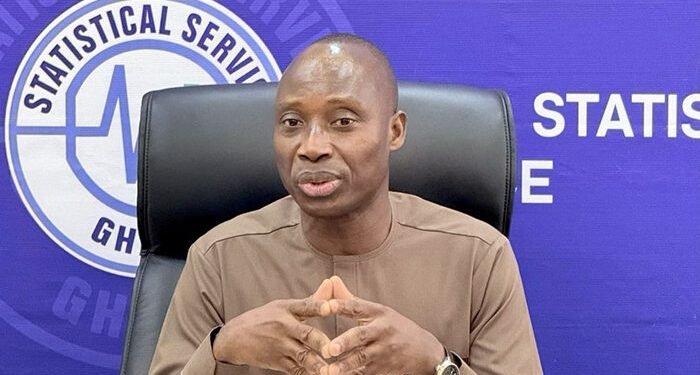
    Government Statistician Dr. Alhassan Iddrisu

    Locally produced goods remain the biggest contributor

    The latest report also revealed that locally produced goods continued to account for the overwhelming share of inflationary pressure.

    Inflation for locally produced items increased to 6.7 percent in June from 5.0 percent in May. These products contributed 86.6 percent of headline inflation, highlighting the dominant role domestic prices continue to play in Ghana’s inflation dynamics.

    Imported goods also experienced higher inflation, although at a much lower level.

    Inflation for imported items rose to 2.3 percent in June from 0.9 percent in May, suggesting that imported products also became more expensive but remained a relatively smaller contributor to overall inflation.

    The figures reinforce the importance of domestic market conditions in determining the country’s overall price movements.

    Services remain more expensive than goods

    Services continued to experience stronger inflation than goods, maintaining a trend that has persisted for several months.

    Services inflation stood at 9.4 percent in June, although it eased slightly from 9.9 percent recorded in May.

    Goods inflation, however, accelerated significantly, rising to 3.7 percent from just 1.4 percent in May.

    The sharp increase in goods inflation indicates that price pressures are becoming more widespread across the economy, even as service sector inflation begins to cool slightly.

    Consumers may therefore continue to experience rising costs across a broad range of products and essential services.

    Regional inflation paints a mixed picture

    The report also highlighted significant regional differences in inflation across the country.

    The North East Region recorded the highest inflation rate in June at 10.2 percent, making it the most affected region in terms of rising consumer prices.

    In contrast, the Bono East Region posted the lowest inflation rate at negative 4.4 percent, reflecting an overall decline in average prices during the period.

    These regional disparities underscore the varying economic conditions across Ghana and suggest that inflationary pressures are not affecting every part of the country equally.

    Economists monitor next inflation trend

    Although June’s figures represent a noticeable increase from the previous month, inflation remains substantially below the levels recorded a year ago.

    This suggests that Ghana has made considerable progress in bringing inflation under control, even if recent data points to renewed price pressures in certain sectors.

    The coming months will therefore be critical in determining whether June’s increase marks the beginning of another inflation cycle or simply reflects temporary adjustments driven largely by non-food prices.

    For businesses, the latest figures may influence pricing decisions and investment strategies. For households, they serve as another reminder that while inflation has eased significantly compared with last year, the cost of living continues to rise.

    The June inflation report ultimately presents a balanced picture of Ghana’s economy. Price pressures remain relatively contained by historical standards, but the sudden rebound highlights the need for continued vigilance as the country works to sustain macroeconomic stability.

  • Economic Growth Alone No Longer Counts, Says GSS

    Economic Growth Alone No Longer Counts, Says GSS

    Ghana is preparing for a major transformation in the way it evaluates national development, with the Ghana Statistical Service (GSS) advocating a broader framework that goes beyond Gross Domestic Product (GDP) to assess the country’s true progress.

    The proposed shift signals a significant change in economic governance as policymakers seek to measure not only how much the economy produces, but also whether growth is improving people’s lives, protecting the environment, reducing inequality and strengthening resilience against future economic and climate shocks.

    The proposal was discussed during a high level policy workshop themed “Measuring What Matters in Ghana: Inclusive and Sustainable Growth Beyond GDP,” where experts emphasized that economic success should no longer be judged solely by rising output figures.

    GDP remains important, but no longer tells the full story

    For decades, GDP has served as the world’s most widely accepted measure of economic performance. It captures the value of goods and services produced within an economy and has traditionally guided fiscal policy, investment decisions and international comparisons.

    However, the GSS believes that relying exclusively on GDP paints an incomplete picture of Ghana’s development journey.

    Speaking on behalf of Government Statistician Dr Alhassan Iddrisu, Acting Deputy Government Statistician for Economic Statistics and Data Science, Francis Bright Mensah said Ghana has a unique opportunity to redefine how national success is measured.

    “For more than half a century, GDP has served as the world’s benchmark for measuring economic success. Yet it cannot fully explain whether growth is inclusive, sustainable or improving quality of life.” 

    Dr Alhassan Iddrisu

    His remarks reflect a growing international consensus that countries should supplement economic output data with indicators that assess environmental sustainability, social inclusion, institutional strength and long term resilience.

    Ghana’s economy is growing, but questions remain

    The discussions come at a time when Ghana’s economy is showing renewed strength.

    After years of macroeconomic reforms supported by the International Monetary Fund, the country’s economy expanded by an impressive 6.40 percent during the first quarter of 2026.

    While this rebound has been welcomed by investors and policymakers, officials argue that strong GDP growth alone does not necessarily translate into better living conditions for ordinary citizens.

    Questions remain over whether economic expansion is creating enough decent jobs, reducing regional disparities, improving healthcare and education, and ensuring that vulnerable communities benefit from national growth.

    The GSS believes these broader issues deserve equal attention when assessing Ghana’s development performance.

    A new framework for smarter policymaking

    Under the proposed measurement system, the government would monitor a wider range of development indicators alongside traditional economic statistics.

    Officials say this approach will strengthen evidence-based policymaking by providing a clearer understanding of whether growth benefits are reaching households across the country, whether natural resources are being preserved and whether Ghana’s development path remains sustainable for future generations.

    The framework is expected to build upon existing national initiatives including the Sustainable Development Goals, environmental economic accounting and natural capital accounting.

    It will also introduce additional indicators capable of measuring social progress, environmental health, inequality and resilience.

    Such an approach could enable policymakers to evaluate not only the speed of economic growth but also its quality.

    Rather than celebrating higher production figures alone, future assessments could increasingly focus on improvements in healthcare, education, decent employment opportunities, environmental protection and climate resilience.

    Investors watching Ghana’s policy evolution

    The proposed reforms also carry important implications for investors and development partners.

    Around the world, development finance institutions, ESG focused investors and multilateral lenders are placing increasing emphasis on environmental, social and governance indicators when making investment decisions.

    A broader national measurement framework could therefore enhance Ghana’s attractiveness by demonstrating stronger commitment to sustainable development and responsible economic management.

    Public investment decisions may also evolve under the new approach.

    Rather than evaluating projects solely based on their contribution to GDP, governments could increasingly consider how investments improve livelihoods, strengthen climate adaptation, promote inclusion and deliver lasting national resilience.

    Measuring what truly matters

    Although GDP will continue to serve as the country’s principal indicator of economic activity, officials insist that it should no longer stand alone.

    The broader message emerging from the policy workshop is that national success should be judged by more than production figures.

    Instead, development should also reflect who benefits from economic growth, what environmental resources are consumed during the process and whether today’s achievements can be sustained for generations to come.

    For Ghana, embracing this broader perspective could mark a defining moment in its development journey.

    If successfully implemented, the new framework has the potential to reshape national planning by treating economic expansion, social progress and environmental sustainability as interconnected pillars of long term prosperity.

    As Ghana continues its recovery and pursues higher levels of growth, the GSS believes that measuring what truly matters will ultimately produce policies that create not only a bigger economy, but a stronger, fairer and more resilient nation.

  • Ghana Producer Prices Jump to 5.8% After April Lull

    Ghana Producer Prices Jump to 5.8% After April Lull

    Ghana’s producer inflation has staged a dramatic comeback, climbing to 5.8 percent in May 2026 from 2.7 percent in April, signaling renewed pricing pressures across major sectors of the economy.

    The latest Producer Price Inflation (PPI) report released by the Ghana Statistical Service paints a picture of an economy experiencing mixed signals. While annual producer inflation recorded a significant increase, month-on-month producer prices actually declined by 1.4 percent between April and May, suggesting that some short-term pressures may be easing despite the broader upward trend.

    According to Government Statistician Dr. Alhassan Iddrisu, the May figure means that producers, on average, received prices that were 5.8 percent higher for their goods and services compared to the same period last year.

    The sharp rise has attracted the attention of businesses, policymakers, and consumers alike, as producer inflation is widely regarded as an early indicator of future movements in consumer prices.

    Mining Sector Maintains Dominance

    A major driver behind the increase was the Mining and Quarrying sector, which continued to exert significant influence on the country’s overall inflation outlook.

    The sector recorded an inflation rate of 11.0 percent in May 2026, making it the largest contributor to producer inflation. The strong performance reflects the sector’s strategic role in Ghana’s economy and its impact on production costs across multiple industries.

    Mining remains one of Ghana’s most important economic pillars, contributing substantially to export earnings and industrial activity. Any price movement within the sector often reverberates throughout the broader economy, affecting transportation, manufacturing, and related services.

    Industry analysts believe that the sector’s strong inflationary performance highlights sustained demand and ongoing activity within Ghana’s extractive industries, despite global economic uncertainties.

    Ghana Producer Prices Jump to 5.8% After April Lull
    Dr. Alhassan Iddrisu, Government Statistician

    Manufacturing Returns to Positive Territory

    One of the most notable developments in the latest data was the recovery witnessed in Ghana’s manufacturing sector.

    After recording a negative inflation rate of 0.7 percent in April, manufacturing rebounded to a positive 0.7 percent in May. This turnaround suggests improving market conditions and stronger pricing power among manufacturers.

    The shift is particularly significant because manufacturing serves as a critical engine for industrial growth, employment creation, and value addition within the economy.

    The sector’s return to positive growth could signal increasing demand for locally produced goods and renewed confidence among producers after months of challenging operating conditions.

    Business leaders have repeatedly cited rising input costs, exchange rate fluctuations, and supply chain challenges as major concerns. The latest figures suggest that some manufacturers may now be recovering enough to pass part of these costs on to the market.

    Transport and Storage Stages Remarkable Recovery

    Perhaps the most dramatic turnaround came from the Transport and Storage sector.

    The sector moved from a steep negative inflation rate of 6.6 percent in April to a positive 7.7 percent in May, representing one of the strongest recoveries recorded during the period.

    This remarkable shift reversed earlier price declines and contributed significantly to the overall increase in producer inflation.

    The transport sector plays a vital role in connecting production centers, markets, ports, and consumers. Changes in transportation costs often influence prices throughout the economy, making the sector a key indicator of broader economic trends.

    Experts note that the recovery may reflect increased business activity, improved logistics demand, and rising operational costs that have filtered through the transport value chain.

    Mixed Signals for Businesses and Consumers

    Despite the rise in annual producer inflation, the month-on-month decline of 1.4 percent offers a measure of relief.

    This decrease suggests that while producers are charging more than they did a year ago, prices may be stabilizing in the short term. Such developments could help moderate future inflationary pressures if sustained over the coming months.

    For businesses, the data presents both opportunities and challenges. Rising producer prices can improve revenues and profitability, but they can also increase costs for firms that rely heavily on industrial inputs.

    Consumers are equally affected because sustained increases in producer prices often translate into higher retail prices over time.

    Why the Data Matters

    Dr. Alhassan Iddrisu emphasized that producer inflation serves as an important early warning signal for the economy.

    The data provides valuable insights for households seeking to make informed purchasing decisions, businesses planning future investments and input costs, and policymakers monitoring inflation risks.

    As Ghana continues its economic recovery journey, close attention will be paid to future producer inflation trends. The performance of mining, manufacturing, transport, and other productive sectors will remain critical in determining whether the recent increase represents the beginning of a broader inflationary cycle or a temporary adjustment driven by sector-specific factors.

  • Over 1.1 Million Ghanaian Children Engaged in Labour, CHRAJ Urges Action

    Over 1.1 Million Ghanaian Children Engaged in Labour, CHRAJ Urges Action

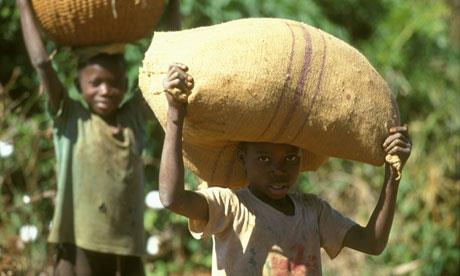
    The Commission on Human Rights and Administrative Justice (CHRAJ) has called for urgent and coordinated national action to tackle child labour in Ghana, warning that more than 1.1 million Ghanaian children remain engaged in economic activities that threaten their rights, education, and development.

    In a statement issued to mark the 2026 World Day Against Child Labour, observed annually on June 12, the Commission urged government institutions, civil society organisations, communities, and families to intensify efforts to eliminate child labour and address the factors that continue to expose children to exploitation.

    This year’s global observance was held under the theme, “Red Card to Child Labour: Fair Play for Children, Decent Work for Adults.” According to CHRAJ, the protection and fulfilment of children’s rights remain among the strongest indicators of a society’s commitment to justice, equality, and human dignity.

    The fulfilment of children’s rights is among the most fundamental measures of a society’s commitment to human dignity and social justice,” the Commission stated.

    Child Labour Remains a Pressing Challenge

    Despite progress in child protection efforts, CHRAJ noted that child labour continues to undermine the welfare and future prospects of many children across Ghana.

    The Commission described child labour as one of the most serious child rights issues confronting societies today, stressing that the practice deprives children of their right to education, protection, development, and a safe childhood.

    It remains one of the most pressing child rights challenges of our time,” CHRAJ stated. According to the Commission, child labour extends beyond being merely a social or economic concern. It constitutes a violation of the rights guaranteed to every child under both domestic and international legal frameworks.

    CHRAJ pointed to the Children’s Act, 1998 (Act 560), the 1992 Constitution of Ghana, the United Nations Convention on the Rights of the Child, and the African Charter on the Rights and Welfare of the Child as instruments that collectively affirm children’s rights to protection, education, development, and dignity.

    Statistics Reveal the Scale of the Problem

    The Commission cited data from the Ghana Statistical Service indicating that over 1.1 million children between the ages of five and seventeen were engaged in economic activity in 2023.

    Of this number, more than 458,000 children were not attending school, a development CHRAJ described as deeply troubling. The Commission stressed that the statistics represent children whose opportunities for personal growth and future advancement are being compromised.

    Dr. Joseph Whittal,
    Dr. Joseph Whittal, CHRAJ Commissioner

    Without access to education, many of these children risk remaining trapped in cycles of poverty and vulnerability that child labour often perpetuates.

    CHRAJ further noted that the challenge is not unique to Ghana. Globally, an estimated 138 million children are engaged in child labour, with nearly 54 million involved in hazardous work that threatens their health, safety, and development.

    The Commission said these figures underscore the need for sustained international and national action.

    Addressing the Root Causes

    While acknowledging the complexity of the issue, CHRAJ emphasised that efforts to eliminate child labour must focus on addressing its underlying causes.

    The Commission identified poverty, limited access to quality education, and inadequate social protection systems as key factors that contribute to the exploitation of children.

    According to CHRAJ, ensuring decent work opportunities for adults is also critical to reducing the economic pressures that force families to depend on child labour for survival.

    The Commission argued that when parents and caregivers have access to stable employment and adequate incomes, children are more likely to remain in school and enjoy the protections to which they are entitled.

    Strengthening Legal Enforcement and Support Systems

    CHRAJ called for stronger enforcement of existing child protection laws and greater investment in interventions that support vulnerable households.

    The Commission urged authorities to expand social protection programmes and improve access to quality education to ensure that children remain in safe learning environments.

    It also encouraged members of the public to remain vigilant and report suspected cases of child exploitation to the appropriate institutions. According to CHRAJ, protecting children requires the collective responsibility of all sectors of society.

    “Child labour constitutes a violation of children’s rights. It undermines the rights guaranteed under the Children’s Act, 1998 (Act 560), the 1992 Constitution of Ghana, the United Nations Convention on the Rights of the Child, the African Charter on the Rights and Welfare of the Child, among others”.

    Commission on Human Rights and Administrative Justice (CHRAJ)

    Renewing the National Resolve

    As Ghana joined the international community in observing the World Day Against Child Labour, CHRAJ reaffirmed its commitment to promoting and protecting the rights of every child.

     Dr. Joseph Whittal, CHRAJ Commissioner
    Dr. Joseph Whittal, CHRAJ Commissioner

    The Commission maintained that ending child labour is essential to building a more just and equitable society where every child has the opportunity to thrive.

    The observance serves as a reminder that while progress has been made, significant work remains to ensure that children are protected from exploitation and provided with the support needed to realise their full potential.

    For CHRAJ, the message is clear. The fight against child labour demands renewed commitment, stronger partnerships, and practical interventions that place the welfare and future of children at the centre of national development efforts.

  • Youth Unemployment, A Youth Problem Getting Worse — Minority Warns Rising Crisis

    Youth Unemployment, A Youth Problem Getting Worse — Minority Warns Rising Crisis

    The Minority in Parliament has called attention the worsening state of youth unemployment, urging immediate national attention to a growing economic and social crisis.

    Speaking at parliamentary proceedings, the Member of Parliament for Ofoase Ayirebi, Honourable Kojo Oppong Nkrumah said the issue requires urgent and coordinated policy action to prevent further deterioration.

    Honourable Nkrumah explained that recent data from the Ghana Statistical Service shows rising unemployment among young people across the country. The Parliamentarian noted that the situation has moved beyond general labour concerns into a structural challenge affecting national development.

    Honourable Kojo Oppong Nkrumah, Chairman Of the Policy Committee for NPP And MP for Ofoase-Ayirebi constituency.

    Transitioning to official figures, the Parliamentarian reported that youth unemployment stood at 32% in December 2024 before increasing to 32.5% in the third quarter of 2025. He further highlighted that Greater Accra recorded a rate of 49.3%, indicating that nearly half of young people in the capital are without jobs.

    Honourable Nkrumah added that seven out of every ten unemployed persons in the country are under the age of 35. The Ofoase MP pointed out that 1.34 million young people aged 15 to 24 are currently classified as not in education, employment or training.

    He further stated that when the national youth policy definition is extended to age 35, the number rises to 1.95 million. The Parliamentarian described the trend as a deepening challenge that continues to place pressure on national stability and productivity.

    “The unemployment problem in this country is not a general problem with a youth dimension. It is a youth problem and the burden is getting worse. No government has fully solved it, including previous administrations.”

    Honourable Kojo Oppong Nkrumah

    The Minority emphasised that the focus must now shift from diagnosis to measurable intervention. The Ofoase MP noted that the key question before Parliament is the effectiveness of current interventions and whether they are delivering meaningful results for young people.

    Honourable Kojo Oppong Nkrumah

    Honourable Nkrumah called for accountability in how employment data is translated into policy decisions. The Parliamentarian stressed that rising figures demand stronger coordination between state institutions and economic planners.

    Parliament Probes Effectiveness of National Job Creation Agenda

    The Minority in Parliament questioned the effectiveness of government job creation programmes, describing them as ambitious but slow in delivery. Honourable Kojo Oppong Nkrumah outlined several initiatives and raised concerns over their implementation gaps.

    Honourable Nkrumah noted that programmes such as the 24-hour economy initiative, the one million coders agenda, the Ejumapa programme and the annual target of 250,000 jobs were presented as solutions to youth unemployment. The Parliamentarian indicated that delays and limited execution continue to affect public confidence.

    He observed that although the 24-hour economy was launched in July 2025, supporting legislation reached Parliament months later. The Ofoase MP added that concerns have been raised about the absence of key structural provisions expected to drive employment expansion.

    Honourable Nkrumah highlighted that the one million coders programme attracted over 90,000 applications within 48 hours. The Parliamentarian stated that the platform later went offline before being relaunched with a reduced initial target of 30,000 participants.

    He also referenced the Ejumapa programme, which set a target of 10,000 businesses annually. According to the Parliamentarian, only 475 entrepreneurs have benefited nearly a year after the programme’s announcement.

    Honourable Kojo Oppong Nkrumah, MP for Ofoase-Ayirebi constituency.

    Honourable Nkrumah drew attention to the security recruitment exercise at El Wak Stadium where thousands of applicants competed for limited positions. The Ofoase MP stated that the incident resulted in fatalities and injuries, underscoring pressure within the labour market.

    “Unfortunately, six died in the stampede and five more went into intensive care, all while competing for only some 2,000 slots. We have a labor market crisis, and it is getting worse. The youth of this country are not looking for slogans anymore. They want feasible programs that create dignified, productive and well-paid jobs.”

    Honourable Kojo Oppong Nkrumah

    The Minority proposed reforms including performance scorecards for job programmes, separation of skills training from employment creation and stronger private sector participation. The Parliamentarian also called for expansion of apprenticeship systems supported by certification and structured employment pathways.

    Honourable Nkrumah added that Ghana requires a reliable labour market information system to guide planning and investment decisions. The Ofoase MP stressed that without accurate data and execution discipline, policy ambitions fall short of national expectations.

  • New GDP Figures Set to Reshape Ghana’s Economy

    New GDP Figures Set to Reshape Ghana’s Economy

    Ghana is on the verge of one of the most significant economic data transformations in recent years as the Ghana Statistical Service (GSS) pushes ahead with plans to introduce rebased Gross Domestic Product (GDP) and Consumer Price Index (CPI) figures by mid-2027.

    The ambitious exercise, which is expected to provide a more accurate picture of the country’s economic performance and consumer spending habits, could dramatically alter how policymakers, investors, businesses, and international institutions view Ghana’s economy.

    Speaking before Parliament’s Economic and Development Committee, Government Statistician Dr. Alhassan Iddrissu revealed that the GSS remains on track to complete the rebasing process, provided that the Ministry of Finance releases the required funds on schedule.

    The announcement has sparked discussions among economists and market observers, many of whom believe the exercise could redefine key economic indicators and reshape perceptions of Ghana’s growth trajectory.

    Why the Rebase Matters

    Economic rebasing is a process that updates the reference year used to calculate GDP and inflation. As economies evolve, consumption patterns change, new industries emerge, and economic structures shift. Without periodic updates, official figures can become less reflective of current realities.

    According to Dr. Iddrissu, the rebasing exercise is essential for ensuring that economic statistics accurately capture present-day conditions.

    He emphasized that policymakers, investors, and development partners depend heavily on credible and up-to-date data when making decisions. Accurate figures help governments formulate effective policies, guide private sector investments, and support economic planning.

    Dr. Iddrissu also appealed for sustained investment in data production, describing economic statistics as critical national infrastructure that deserves long-term support.

    Major Groundwork Already Completed

    The GSS has already completed substantial preparatory work for the exercise. Fresh data has been collected to update the weighting structure used in calculating both GDP and inflation.

    One of the key foundations of the rebasing process is the completion of the Ghana Living Standards Survey 8 (GLSS 8), which will provide updated information on household spending patterns and economic activities across the country.

    Earlier this year, Dr. Iddrissu explained that the current CPI basket largely relies on information from the Ghana Living Standards Survey 7 conducted in 2017.

    While the price reference period was updated to 2021 to accommodate Ghana’s six newly created regions, the underlying consumption weights still reflect household behavior from nearly a decade ago.

    “The last one we did was in 2017, and it did reflect the consumption pattern at that time, so this new one will definitely affect the consumption pattern of consumers.” 

    Dr. Alhassan Iddrissu

    Currently, inflation is measured using a basket of 307 goods and services collected from 57 markets and more than 8,300 outlets across the country.

    New GDP Figures Set to Reshape Ghana’s  Economy
    Government Statistician, Dr. Alhassan Iddrisu

    Inflation Numbers Could Change Dramatically

    One of the most closely watched outcomes of the rebasing exercise will be its impact on inflation measurement.

    Economists caution that the revised methodology could produce inflation figures that differ significantly from current estimates. Depending on changes in consumer spending patterns and the weighting of products and services, inflation could appear lower, higher, or simply more reflective of prevailing economic realities.

    This possibility comes at a crucial time for Ghana, which has recorded remarkable progress in reducing inflation over the past year.

    The inflation rate has dropped sharply from 23.5 percent in January 2025 to just 3.7 percent in May 2026. However, recent data suggest that inflationary pressures are beginning to re-emerge after months of steady declines.

    Dr. Iddrissu recently attributed the slight increase to rising food prices and called for continued fiscal discipline, stronger food systems, improved storage infrastructure, irrigation expansion, and better transportation networks.

    Could Ghana’s GDP Get a Massive Boost?

    Beyond inflation, the rebasing exercise could have an even bigger impact on Ghana’s GDP figures.

    History provides a powerful example. In 2010, Ghana revised its GDP base year from 1993 to 2006. The result was astonishing. The country’s GDP increased by more than 60 percent overnight, propelling Ghana into lower-middle-income status and changing global perceptions of the economy.

    Many analysts believe the upcoming rebasing exercise could once again reveal sectors and activities that are currently underrepresented in official statistics.

    A larger GDP does not necessarily mean people become richer overnight. However, it can influence debt ratios, investment attractiveness, economic rankings, and development planning.

    As Ghana’s economy continues to diversify through technology, services, manufacturing, and emerging industries, updated measurements may uncover a broader and more dynamic economic landscape than currently reflected in official data.

    A Defining Moment for Economic Planning

    The countdown to 2027 has effectively begun, and the stakes are high.

    For government officials, investors, businesses, and international partners, the new GDP and inflation figures could become the foundation for future economic decision-making.

    Dr. Iddrissu acknowledged that the exercise “will definitely change the dynamics going forward,” a statement that underscores the far-reaching implications of the project.

    If completed on schedule, the rebasing exercise may not only update Ghana’s economic statistics but also redefine the narrative surrounding the country’s growth, competitiveness, and future prospects.

    As anticipation builds, all eyes will remain on the Ghana Statistical Service and the Ministry of Finance to ensure that the resources required for this landmark exercise are delivered on time, paving the way for what could be the most consequential statistical reset in Ghana’s recent economic history.

  • Ghana’s Economy Surges 6.4% as Key Industries Deliver

    Ghana’s Economy Surges 6.4% as Key Industries Deliver

    Ghana’s economy has delivered another impressive performance, recording a growth rate of 6.4 percent in the first quarter of 2026, according to the latest Gross Domestic Product (GDP) estimates released by the Ghana Statistical Service (GSS). 

    The latest figure marks an improvement over the 6.2 percent growth recorded during the same period in 2025 and reinforces confidence that the country’s economic recovery is gaining strength.

    The strong performance comes at a time when many economies around the world continue to grapple with uncertainty, inflationary pressures and slowing growth. Ghana’s ability to maintain and even improve its growth trajectory highlights the resilience of key sectors that continue to power economic activity.

    Even more encouraging is the performance of the non-oil economy, which expanded by 6.3 percent during the period. This demonstrates that growth is becoming increasingly diversified and less dependent on a single sector.

    Services Sector Leads the Charge

    The Services sector emerged as the biggest contributor to economic growth in the first quarter, expanding by an impressive 7.1 percent and accounting for nearly half of total GDP growth.

    A major driver of this success was the Information and Communication sub-sector, which recorded a remarkable growth rate of 25.2 percent. The rapid expansion reflects increasing digital adoption, growing investments in technology infrastructure and rising demand for digital services across the country.

    Transport and Storage also posted strong growth of 13.0 percent, benefiting from increased economic activity and improved logistics operations. Trade and Repair of Vehicles followed closely with a 9.0 percent expansion, highlighting robust consumer demand and commercial activity.

    The impressive performance of the services industry underscores the growing importance of technology, commerce and logistics in shaping Ghana’s economic future.

    Mining Sector Powers Industrial Growth

    The Industry sector recorded growth of 6.9 percent, significantly higher than the 4.1 percent achieved during the same quarter last year.

    At the heart of this expansion was the Mining and Quarrying sub-sector, which grew by 10.7 percent. Ghana’s mining industry continues to serve as a major pillar of the economy, supported by strong production levels and favorable global demand for mineral exports.

    The Oil and Gas sector also staged a notable recovery, posting growth of 7.0 percent. The rebound provides further evidence that industrial activity is regaining momentum and contributing meaningfully to national output.

    The combination of mining, oil and gas has strengthened industrial performance and created a solid foundation for broader economic expansion.

    Ghana’s Economy Surges 6.4% as Key Industries Deliver

    Agriculture Maintains Positive Momentum

    Although agriculture recorded the slowest growth among the three major sectors, it still achieved a respectable expansion rate of 4.0 percent.

    Forestry and Logging emerged as one of the strongest performers within the sector, growing by 9.0 percent. Crop Production also delivered encouraging results with growth of 4.7 percent, supporting food supply and rural economic activity.

    However, challenges remain. The Fishing sub-sector contracted sharply by 18.5 percent, making it the weakest-performing segment of the economy during the quarter. Industry observers believe addressing challenges in fishing will be critical to ensuring balanced growth across the agricultural sector.

    Despite these setbacks, agriculture continues to play a crucial role in employment generation and food security.

    Economic Momentum Remains Intact

    The latest data suggests that Ghana’s growth story is not only strong but also sustainable.

    On a seasonally adjusted basis, real GDP increased by 1.6 percent quarter-on-quarter, indicating that economic activity continued to expand steadily throughout the period.

    Additional evidence of sustained momentum came from the Monthly Index of Economic Growth (MIEG), which recorded growth rates of 6.1 percent in January, 7.7 percent in February and 5.4 percent in March.

    These figures indicate that growth remained relatively strong across all three months, providing confidence that economic activity is maintaining an upward trajectory.

    Winners and Losers in the Economy

    Among the fastest-growing segments of the economy were Information and Communication, Transport and Storage, Mining and Quarrying, Trade and Repair of Vehicles, and Forestry and Logging.

    Conversely, sectors facing significant challenges included Fishing, Accommodation and Food Services, Water and Sewerage, Real Estate, and Health and Social Work.

    The contrast between rapidly expanding and struggling sectors highlights the evolving nature of Ghana’s economy, where technology, trade and resource-based industries are increasingly becoming dominant growth engines.

    Outlook Remains Positive

    The latest GDP figures paint a promising picture for Ghana’s economy. Strong performances from services, mining, trade and transport continue to drive growth, while the resilience of the non-oil economy demonstrates increasing diversification.

    As policymakers focus on sustaining economic stability, attracting investment and supporting struggling sectors, the country appears well-positioned to maintain its growth momentum throughout the year.

    For businesses, investors and consumers, the first-quarter results provide a strong signal that Ghana’s economic recovery remains firmly on track and that key industries are delivering the growth needed to support long-term development and prosperity.