The Minority in Parliament has called attention the worsening state of youth unemployment, urging immediate national attention to a growing economic and social crisis.
Speaking at parliamentary proceedings, the Member of Parliament for Ofoase Ayirebi, Honourable Kojo Oppong Nkrumah said the issue requires urgent and coordinated policy action to prevent further deterioration.
Honourable Nkrumah explained that recent data from the Ghana Statistical Service shows rising unemployment among young people across the country. The Parliamentarian noted that the situation has moved beyond general labour concerns into a structural challenge affecting national development.
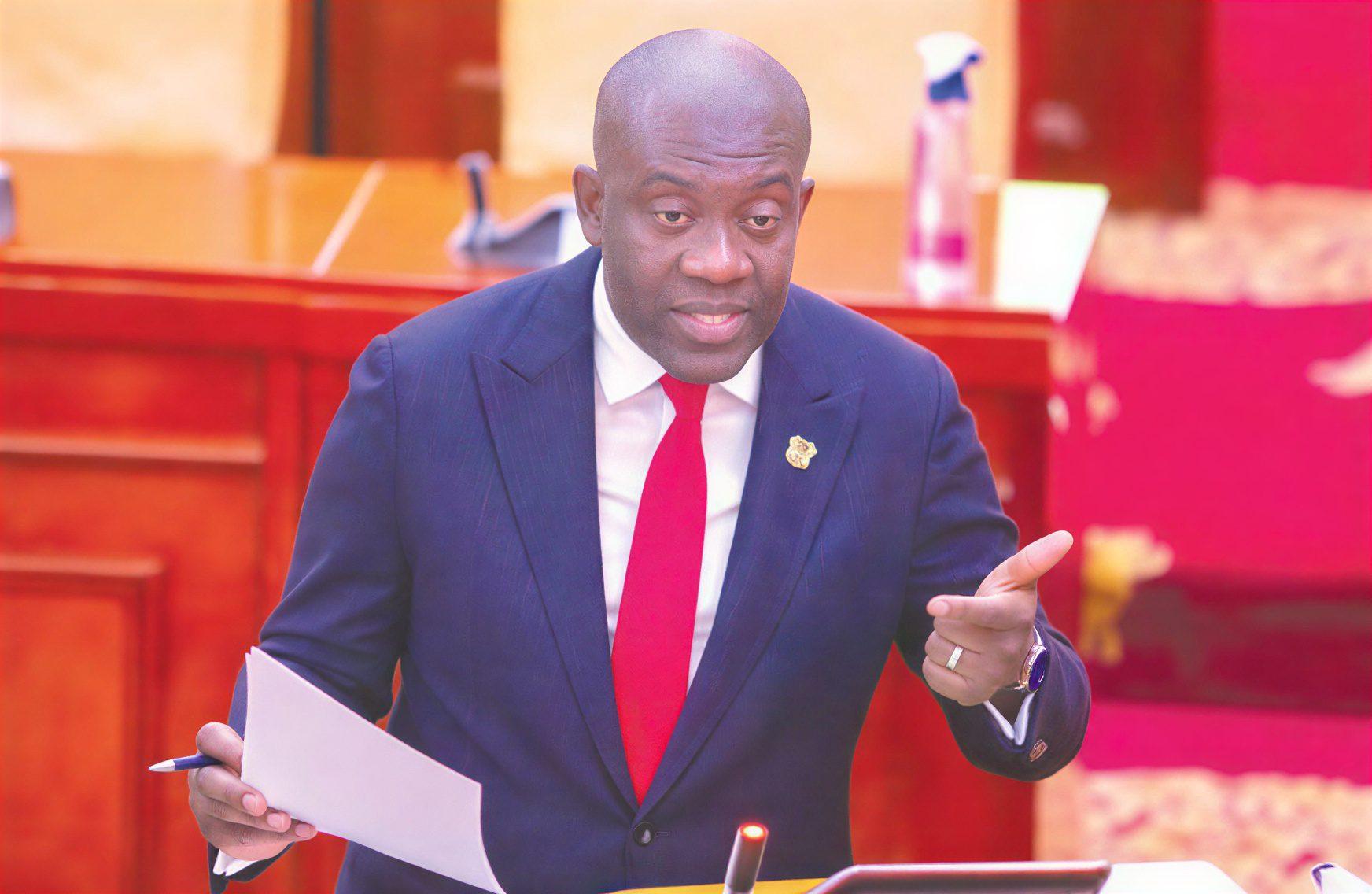
Transitioning to official figures, the Parliamentarian reported that youth unemployment stood at 32% in December 2024 before increasing to 32.5% in the third quarter of 2025. He further highlighted that Greater Accra recorded a rate of 49.3%, indicating that nearly half of young people in the capital are without jobs.
Honourable Nkrumah added that seven out of every ten unemployed persons in the country are under the age of 35. The Ofoase MP pointed out that 1.34 million young people aged 15 to 24 are currently classified as not in education, employment or training.
He further stated that when the national youth policy definition is extended to age 35, the number rises to 1.95 million. The Parliamentarian described the trend as a deepening challenge that continues to place pressure on national stability and productivity.
“The unemployment problem in this country is not a general problem with a youth dimension. It is a youth problem and the burden is getting worse. No government has fully solved it, including previous administrations.”
Honourable Kojo Oppong Nkrumah
The Minority emphasised that the focus must now shift from diagnosis to measurable intervention. The Ofoase MP noted that the key question before Parliament is the effectiveness of current interventions and whether they are delivering meaningful results for young people.

Honourable Nkrumah called for accountability in how employment data is translated into policy decisions. The Parliamentarian stressed that rising figures demand stronger coordination between state institutions and economic planners.
Parliament Probes Effectiveness of National Job Creation Agenda
The Minority in Parliament questioned the effectiveness of government job creation programmes, describing them as ambitious but slow in delivery. Honourable Kojo Oppong Nkrumah outlined several initiatives and raised concerns over their implementation gaps.
Honourable Nkrumah noted that programmes such as the 24-hour economy initiative, the one million coders agenda, the Ejumapa programme and the annual target of 250,000 jobs were presented as solutions to youth unemployment. The Parliamentarian indicated that delays and limited execution continue to affect public confidence.
He observed that although the 24-hour economy was launched in July 2025, supporting legislation reached Parliament months later. The Ofoase MP added that concerns have been raised about the absence of key structural provisions expected to drive employment expansion.
Honourable Nkrumah highlighted that the one million coders programme attracted over 90,000 applications within 48 hours. The Parliamentarian stated that the platform later went offline before being relaunched with a reduced initial target of 30,000 participants.
He also referenced the Ejumapa programme, which set a target of 10,000 businesses annually. According to the Parliamentarian, only 475 entrepreneurs have benefited nearly a year after the programme’s announcement.
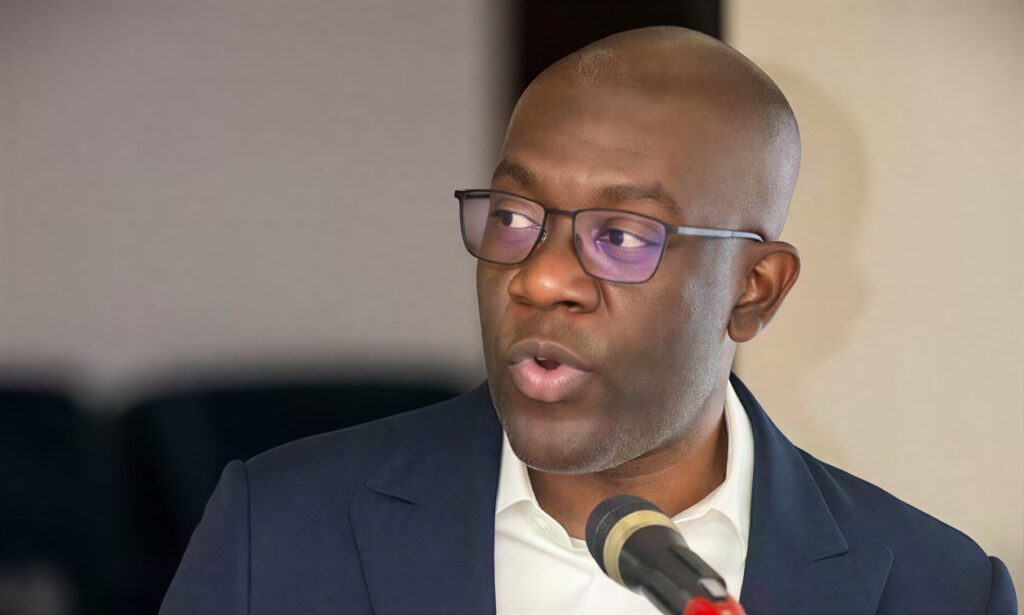
Honourable Nkrumah drew attention to the security recruitment exercise at El Wak Stadium where thousands of applicants competed for limited positions. The Ofoase MP stated that the incident resulted in fatalities and injuries, underscoring pressure within the labour market.
“Unfortunately, six died in the stampede and five more went into intensive care, all while competing for only some 2,000 slots. We have a labor market crisis, and it is getting worse. The youth of this country are not looking for slogans anymore. They want feasible programs that create dignified, productive and well-paid jobs.”
Honourable Kojo Oppong Nkrumah
The Minority proposed reforms including performance scorecards for job programmes, separation of skills training from employment creation and stronger private sector participation. The Parliamentarian also called for expansion of apprenticeship systems supported by certification and structured employment pathways.
Honourable Nkrumah added that Ghana requires a reliable labour market information system to guide planning and investment decisions. The Ofoase MP stressed that without accurate data and execution discipline, policy ambitions fall short of national expectations.
READ ALSO: Government Played No Role In Ministers’ Awards – Kwakye Ofosu Declares