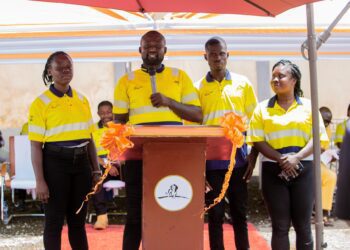

The Energy Commission of Ghana has begun discussions with Ghana Thermal Power Limited (GTPL) over the company’s proposed 1,200-megawatt Combined Cycle Gas Turbine (CCGT) power plant planned for Kafodzidzi-Abrobiano in the Komenda-Edina-Eguafo-Abirem (KEEA) Municipality of the Central Region.
The engagement forms part of the Commission’s regulatory assessment of GTPL’s Siting Permit application, submitted under the Commission’s licensing and approval mandate for electricity infrastructure projects.
If approved and implemented, the project would rank among the largest proposed thermal power developments in the country and could significantly increase Ghana’s electricity generation capacity.
The proposed plant comes at a time when government is pursuing additional generation and transmission investments to meet rising electricity demand, support industrialisation and strengthen long-term energy security.
According to information from the Energy Commission, the discussions are focused on the regulatory review process and the technical considerations associated with the proposed facility.
Potential impact on reliability and electricity costs
Combined Cycle Gas Turbine technology is generally regarded as one of the more efficient forms of thermal power generation because it uses both gas and steam turbines to produce electricity, allowing more energy to be extracted from the same quantity of fuel.
Supporters of the project say the additional capacity could improve electricity reliability while helping reduce overall generation costs if the plant is supplied with dependable natural gas.

Beyond boosting electricity reliability, the project is expected to lower generation costs, help reduce tariffs, and create more than 2,000 direct and indirect jobs during its first phase.
Energy Commission
The potential effect on consumer tariffs would depend on several factors, including the final cost of the project, financing arrangements, fuel supply terms and how the electricity is integrated into Ghana’s power system.
Jobs and regional development
The project is also being presented as a potential driver of economic activity in the Central Region.
More than 2,000 direct and indirect jobs are expected to be created during the first phase of development, with additional opportunities likely to emerge through construction, logistics, maintenance and related service activities.

Large-scale power projects often generate demand for local suppliers, contractors and support services, which can have wider economic effects beyond the plant itself.
For the KEEA Municipality, the proposed investment could become one of the most significant industrial infrastructure developments in the area if it progresses beyond the regulatory stage.
Linked to broader energy strategy
The proposed power plant aligns with government’s broader emphasis on strategic energy infrastructure as a foundation for economic transformation.
The 2026 Mid-Year Budget Review highlighted the importance of investments that improve energy security, support industrial growth and strengthen the resilience of the electricity sector.

Ghana’s installed generation capacity currently exceeds peak demand, but policymakers continue to pursue additional investments to accommodate future growth, improve system flexibility and support emerging industrial and economic initiatives.
The increasing role of natural gas in Ghana’s power sector also makes projects such as the GTPL proposal closely linked to the country’s gas infrastructure and supply strategy.
Regulatory process continues
The Energy Commission has not yet announced a decision on the Siting Permit application.
Under Ghana’s regulatory framework, major power projects must undergo technical, environmental, safety and planning assessments before receiving the necessary approvals.

The current discussions therefore represent an early but important stage in determining whether the project can proceed to subsequent phases of licensing and development.
For Ghana Thermal Power Limited, securing the siting approval would be a key step toward advancing the proposed 1,200 MW facility.
For Ghana, the project has reopened discussion about how new thermal generation, gas infrastructure and regional development can be combined to support a more reliable and economically competitive electricity system.
As the regulatory review continues, attention will focus on the project’s technical viability, fuel supply arrangements, financing structure and its potential contribution to Ghana’s long-term energy and industrial development goals.
READ MORE: ADB to expand Customer Access with New East Legon Branch and Modernised Dansoman Branch