
Ghana’s drive to strengthen energy security and improve electricity reliability has received a significant boost with the successful integration of the AKSA Ahwomaso Power Plant into the national transmission grid, adding approximately 141 megawatts of generation capacity.
The development marks a major milestone in the government’s strategy to stabilise power supply, particularly across the Ashanti Region and the wider middle belt, where demand for electricity continues to rise with population growth and industrial expansion.
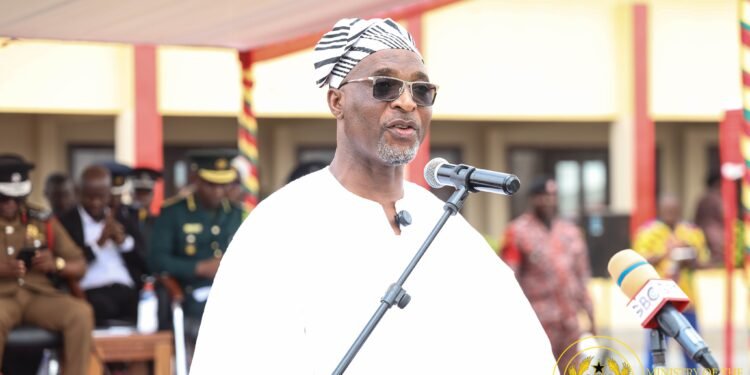
The Minister for Energy and Green Transition, Dr John Abdulai Jinapor, inspected the facility following the completion of its final tie in by the Ghana Grid Company Limited.
“Currently, the plant will add approximately 141MW of generation capacity to the national grid, strengthening electricity supply for homes, businesses, and industries, particularly across the middle belt”.
Hon. John Abdulai Jinapor, Minister for Energy and Green Transition
The inspection, he noted, reaffirmed the government’s commitment to expanding generation capacity, improving system reliability, and ensuring long term energy security for homes, businesses, and industries.
According to the minister, the addition of the Ahwomaso plant strengthens the resilience of the national grid and supports efforts to deliver consistent and dependable power nationwide.

Completion of Integration
Integration of the AKSA Ahwomaso Power Plant began in December 2025 after extensive preparatory works and test runs. GRIDCo completed the final technical connection on January 10, 2026, allowing the facility to supply power directly into the national transmission network.


The plant comprises three generation units which were activated in phases to ensure system stability and smooth synchronisation with the grid. The first unit was commissioned in late December, with the remaining units brought on stream sequentially as technical assessments were concluded.
Located at the Anwomaso power hub near Kumasi, the plant holds strategic importance for Ghana’s transmission architecture. Its position helps reduce technical losses associated with transmitting power over long distances from coastal generation centres to inland regions.
Energy experts say this improves voltage quality and enhances reliability for consumers in the middle belt, where localised outages and fluctuations have historically posed challenges to economic activity and household life.
Dr Jinapor explained that the successful integration of the plant aligns with the government’s broader mandate to build a robust and future ready energy system.

He said the administration remains focused on meeting growing electricity demand through a combination of new generation projects, grid reinforcement, and policy reforms that promote efficiency and sustainability.
The Ahwomaso project, he added, is a clear demonstration of what coordinated planning between government agencies and private sector partners can achieve.
AKSA Energy, the Turkish independent power producer that owns and operates the plant, worked closely with GRIDCo and the Ministry of Energy and Green Transition throughout the construction and integration process.
GRIDCo was responsible for the technical aspects of the tie in and transmission readiness, while the ministry provided oversight to ensure alignment with national energy priorities.
Officials from the ministry have described the collaboration as effective and timely, noting that the project moved from test runs to full integration within a relatively short period.
374 Megawatts of Generation Drive
Beyond its immediate contribution to power supply, the Ahwomaso plant forms part of a wider national plan to add an average of 374 megawatts of generation capacity annually between 2026 and 2030.

This target is aimed at keeping pace with rising demand driven by industrialisation, urbanisation, and the expansion of digital services. Energy planners say that without sustained investment in new capacity, Ghana risks supply constraints that could undermine economic growth and investor confidence.
The government has repeatedly emphasised that energy security is central to its economic transformation agenda. Reliable electricity, officials argue, underpins manufacturing, agro processing, mining, and service sector activities, while also improving the quality of life for households.
The addition of 141 megawatts from the Ahwomaso plant therefore represents not just an increase in installed capacity, but a tangible step toward creating a more stable and competitive economy.
Benefits to Residents
Residents and businesses in Kumasi and surrounding areas are expected to feel the impact of the new capacity through improved reliability and reduced incidence of outages.
While power supply challenges can arise from multiple factors, including distribution level constraints, authorities believe the strengthened generation base will provide a firmer foundation for addressing such issues over time.
As Ghana continues to pursue a balanced energy mix and greener transition pathways, conventional generation projects such as Ahwomaso are being complemented by investments in renewables, grid modernisation, and demand side management.

Dr Jinapor has stressed that the transition will be managed pragmatically, ensuring that reliability and affordability remain central considerations even as the country moves toward cleaner energy sources.
The successful integration AKSA Ahwomaso Power Plant stands as a positive signal of progress in Ghana’s energy sector and a reassurance to consumers and investors alike that steps are being taken to keep the lights on and power economic growth.
READ ALSO: Ofori-Atta’s US Visa was Revoked in July 2025 – AG Drops Shocking Legal Troubles