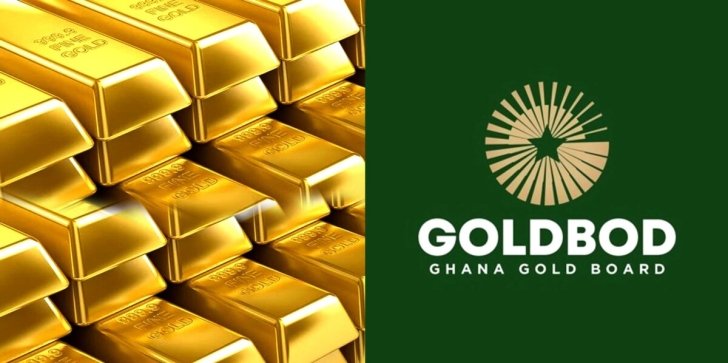
The government, through the Ghana Gold Board (GoldBod), has localized value accumulation of gold to serve as the engine of economic growth and resilience for the country.
This strategy aims to move Ghana from a primary exporter of unprocessed gold to capturing a greater share of the total profit (value) generated by gold by developing its own domestic processing, manufacturing, and distribution capabilities, rather than letting that value be accumulated abroad.
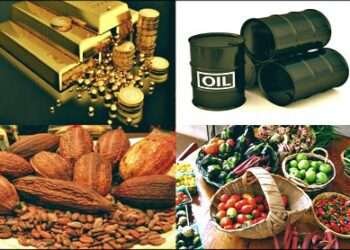
According to analysts, the success of GoldBod, after embracing its full mandate, should be replicated in other commodities that Ghana produces, such as Cocoa, crude oil, and other minerals. Substantial value in global trade is often found in diversified, innovative, and value-added production processes, such as branding, packaging, and marketing.
The Ghana Gold Board Act, 2025 (Act 1140) underscores the GoldBod’s significance, not just as a trading institution, but as a framework to regulate the value of a major resource of the country for local economic benefit and restoration.

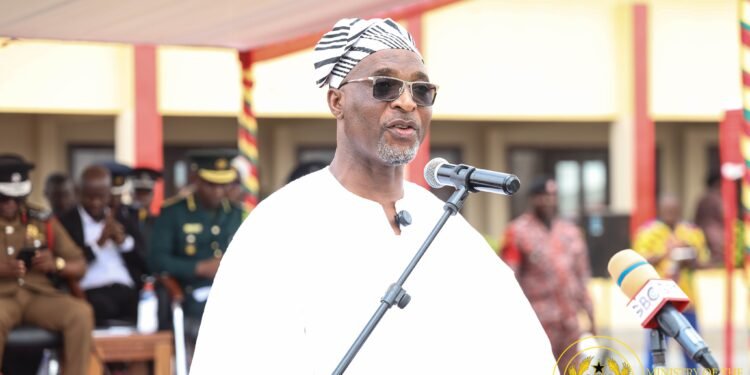
President John Dramani Mahama has hinted in the previous year of the establishment of an export value addition strategy and system to transform key national commodity products into national value assets to boost the economic transformation drive and guard the growth progress of the economic paths.
Rationalizing Ghana’s Economic Growth with GoldBod
The GoldBod has formalized the gold sector by bringing artisanal and small-scale miners (ASM) into the formal system to reduce illicit outflows and increase revenue. The GoldBod is also boosting foreign reserves through increased official purchases, buying gold from licensed aggregators for the Bank of Ghana (BoG) – the Gold-for-Reserves program – which directly increases national reserves.


The operations of the GoldBod have strengthened the Ghanaian Cedi and kindled the growth achieved in 2025. Also, gold purchases by BoG increased and smuggling reduced, creating more foreign exchange and reducing pressure on the local currency.

The Board also supported the promotion of a local value addition framework and ethical practices to stabilize the economy and reduce dollar dependency. Local refining and jewelry manufacturing were encouraged and supported to reduce the export of raw gold.
The implementation of the tracking systems and quality control (like XRF assaying) has enhanced transparency in gold purchases by the government, built investor confidence, and ensured ethical sourcing. Promoting gold as a store of value for Ghanaians offers an alternative to holding U.S. dollars.
The GoldBod centralizes gold trade, while increasing national revenue by keeping more gold value within Ghana, and moving away from raw exports towards gold-backed financial instruments and local jewelry.
The government’s objective in its pronouncements is to promote macroeconomic stability by reducing reliance on external debt and improving fiscal sustainability. Over US$ 1.5 billion lost annually to smuggling, according to the government, must be recaptured to boost national revenue. The formalization of ASM supports thousands of jobs and livelihoods, as well as creating a consistent flow of gold and forex to cushion against economic shocks are supported by the GoldBod.

If the GoldBod mandate is proficiently implemented, Ghana will be cushioned against several shocks from external liquidity, boost reserve strength and foreign exchange (FX) flexibility of the local currency, monitor and account for the production and outflow of gold in the country, and boost revenue to finance projects and initiatives of the government for inclusive growth and development.
Ghana’s Model of Development – GoldBod
Ghana’s economic and resource sovereignty over the past few months has been built around the GoldBod by the government. The GoldBod is not an IMF creation, but a local initiative to address a national predicament that has enhanced the government’s ability to outperform the IMF-ECF support program.
Ghana’s development model, exemplified by GoldBod, focuses on transforming the gold sector through formalizing artisanal mining, ensuring fair pricing, increasing transparency, adding value, and boosting national reserves. The aim of the government is to create a system for responsible resource governance that maximizes benefits for the people of Ghana and stabilizes the economy.

The GoldBod serves as a model for other sectors of the Ghanaian economy, promoting national consolidation of resource management and value addition to enhance Ghana’s growth and outlook. The management of Ghana’s agricultural products, including cocoa beans, and the extractive sector can all receive a renewed outlook by adopting the GoldBod model. The other real and productive sectors could all use a facelift in output management.
Externally, the GoldBod potentially serves as a model for other developing countries, especially on the African continent. The Speech of President Mahama to the world at the 80th UN General Assembly resonates in these outputs by the Ghanaian government and its impact on the African continent. “The Future is African,” President Mahama emphasized, because the continent holds massive wealth. If only these resources could be managed to promote internalized value accumulation, Africa’s outlook would transform.
The GoldBod model is based on regulation and a structured system with license and compliance, economic empowerment through global market price purchases and avoidance of middlemen, building reserves and improving FX to stabilize local currency, responsible sourcing and value addition promotion, and backed by law to build strong institutions and not individuals.
Potential Challenges of GoldBod
The operations of GoldBod will incur costs. The ability of the government to balance strategic goals with the costs of running the Gold-for-Reserves must be emphasized. Transparency, discipline, and nationalism are required to execute this strategy. Conflicts of interest within the single regulatory body must be prevented.
The fluctuation of global gold prices will affect the Board’s operation. Market volatilities require careful management to avoid unsustainable spending and activities.

The success of GoldBod also depends on its being part of broader economic diversification, and not a sole solution. The roadblocks of the GoldBod must be envisaged and anticipated to protect its significance to the economy of Ghana.
GoldBod, however, proposes a trail that Ghana and other resource-endowed countries can block external weaknesses and economic stagnation without seeking external support. Ghana now signals an age beyond extraction by leveraging gold and other resources to create a contained, valuable, growth-driven, and sustainable ecosystem.
READ ALSO: Secondary Bond Market Sees Liquidity Erosion as Investor Trades Fall to GH¢1.59bn