The Government of Ghana has launched a scathing broadside against private transport operators, accusing them of orchestrating artificial shortages to sabotage the recent 15% reduction in transport fares, since fuel prices saw a persistent decline late last year.
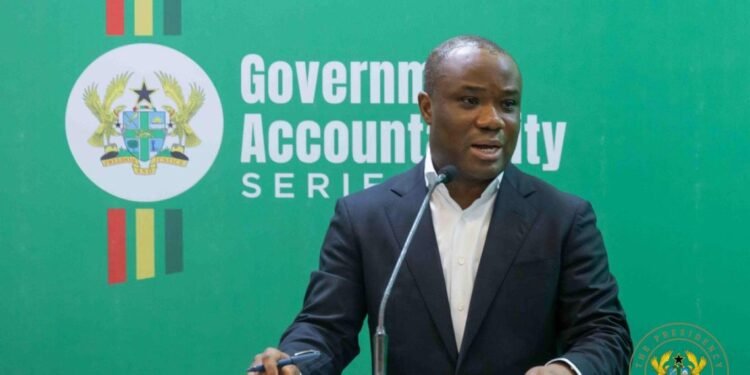
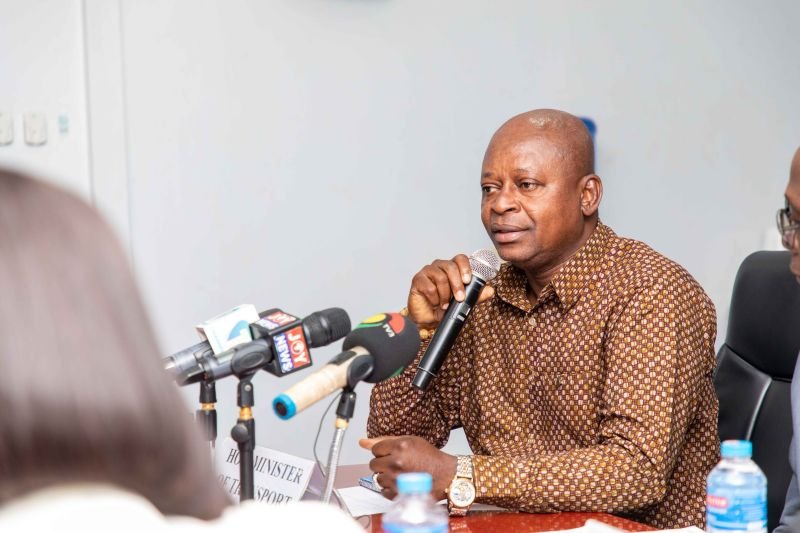
Speaking at the Government Accountability Series, the Minister of State in charge of Government Communications, Hon. Felix Kwakye Ofosu, revealed that a coordinated effort by drivers to bypass designated stations has left commuters in a state of desperation.
“What some of these drivers have done is that they do not go to the stations. They roam around, and with the shortage created, they compel passengers to part with more money than they ordinarily pay.
“They are creating scarcity to drive up profit. It is an unlawful activity, and the government is looking at it to ensure that those involved in such behaviour are dealt with”
Hon. Felix Kwakye Ofosu, Minister of State in charge of Government Communications
Hon. Kwakye Ofosu explained that this internal crisis, which intensified during the 2025 yuletide, has now prompted the Transport Minister, Hon. Joseph Bukari Nikpe, to summon the leadership of the Ghana Private Road Transport Union (GPRTU) to a final showdown.
The government’s position is clear: the current transport deterioration is not a result of fuel scarcity or policy failure, but a deliberate “unlawful” act of profit-maximization. By avoiding hubs like the Kwame Nkrumah Circle, these operators create a vacuum of vehicles, allowing them to charge desperate passengers nearly double the approved rate.
The impact of this “rent-seeking” behavior has been most felt in the densely populated suburbs of Madina, Amasaman, and Kasoa. Commuters in these areas report hours-long queues during morning and evening peak periods, while empty commercial vehicles are seen circling the outskirts of major bus terminals.
Hon. Kwakye Ofosu argued that this practice is a direct attempt by the private sector – which controls the vast majority of Ghana’s transport network – to reclaim the profit margins they lost when the state mandated lower fares.


According to the Minister, the government is no longer willing to accept the excuse that the sector is “largely private-sector-led,” as a reason for inaction. He insisted that while the GPRTU and other unions organize the system, the state retains the ultimate power to regulate the conduct of those who use public infrastructure to convey citizens.
Nikpe’s Ultimatum
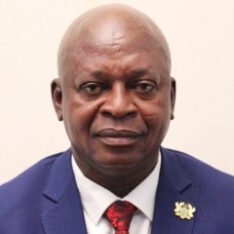
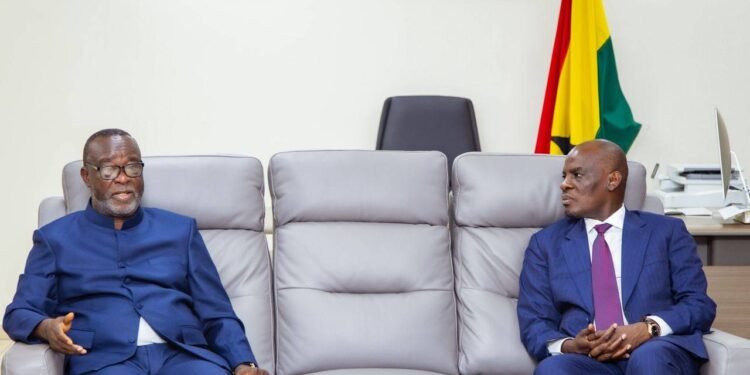
In response to the mounting public outcry, Transport Minister Hon. Joseph Bukari Nikpe has officially summoned the GPRTU and other commercial transport operators for an emergency meeting scheduled for tomorrow, Thursday, January 15.
The singular agenda is to call the unions to order and end the predatory pricing models currently being enforced by their members.
The government believes that by limiting vehicle availability, drivers are engaging in “rent-seeking” – a term usually reserved for corrupt officials but now applied to the transport unions. The Ministry aims to compel the unions to enforce discipline among their members or face more stringent state interventions.
While Kwakye Ofosu and the Transport Ministry focus on the “greed,” of private drivers, the narrative within the government appears split.
Just hours before the Accountability Series, the Executive Secretary of the IMCC on Decentralisation, Dr. Gameli Hoedoafia, suggested that the solution lies in the hands of District Chief Executives (DCEs) rather than central ministers.
However, for the commuters left stranded in various terminals for long hours, the academic debate over decentralization vs. central regulation is secondary to the immediate need for affordable transport.
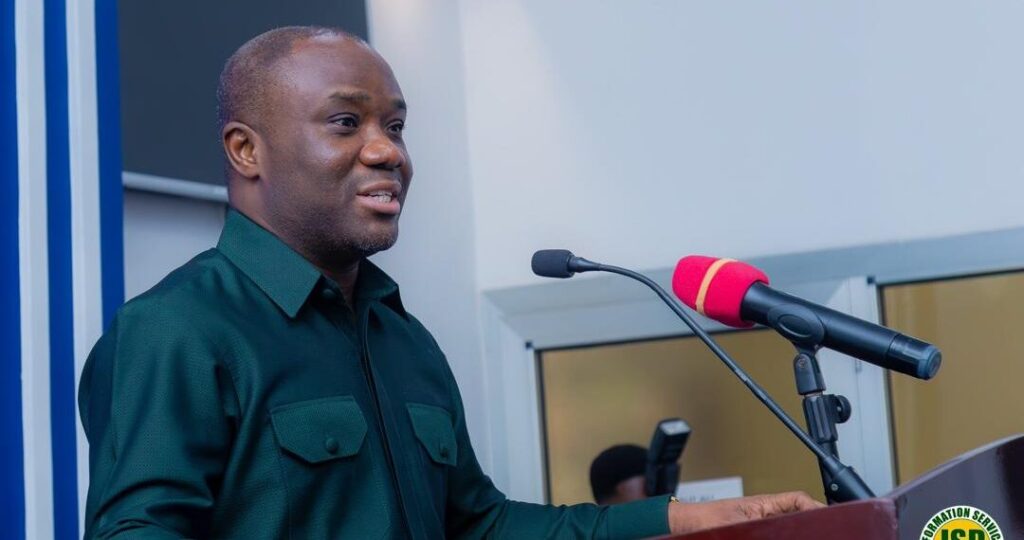
Hon. Kwakye Ofosu concluded that the government will lead the action to ensure that unlawful acts do not go unpunished.
READ ALSO: France To Open Consulate In Greenland