The Ministry of Education and the National Council for Curriculum and Assessment (NaCCA) have firmly denied allegations that LGBTQ related content has been introduced into Ghana’s Senior High School curriculum, describing the claims as inaccurate, misleading, and unsupported by evidence.
The clarification follows public commentary and parliamentary accusations by the Minority Member of Parliament for Assin South, Rev John Ntim Fordjour, who alleged that the current administration was promoting LGBTQ content within secondary education.
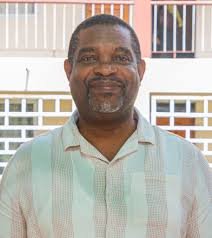
In a detailed statement signed by the Director General of NaCCA, Professor Samuel O. Ofori Bekoe, the Council stressed that no such content exists in the approved national curriculum being implemented in Senior High Schools nationwide.
According to NaCCA, the allegations stem from a misinterpretation of a teacher support manual, which is not part of the official curriculum and does not prescribe mandatory learning content for students.
“It is essential to clarify that the national curriculum and teacher support materials serve distinct functions. The curriculum is the official policy document defining the mandatory areas of study for learners.”
Director General of NaCCA, Professor Samuel O. Ofori Bekoe
According to NaCCA, Teacher manuals, by contrast, are supplementary instructional resources designed to support teachers with lesson delivery and pedagogy. Their use is optional, and teachers are permitted to deliver the approved curriculum without relying on these manuals.
Gender Definition in Year Two Manual
The Council indicated that the controversy originated from a definition contained in the Year Two Physical Education and Health elective teacher manual at the Senior High School level.


This manual was developed following the introduction of a new secondary education curriculum in the 2024 and 2025 academic year. NaCCA noted that for the first time in Ghana’s history, teacher manuals were deliberately produced in conjunction with the curriculum to enhance effective teaching and learning.
According to the Council, subject specific writing teams were empanelled in 2024 to develop the manuals, working in collaboration with Transforming Teacher Education and Learning. As part of standard quality assurance procedures, the manuals underwent internal technical reviews after they were developed.
During this review, NaCCA determined that the definition of gender identity contained in the Physical Education and Health elective teacher manual was not reflective of Ghanaian cultural values, norms, and accepted biological understanding.
“A revised version of the Year 2 Physical Education and Health (Elective) Teacher Manual, aligned with national values and biological understanding, has been released, and it is accessible to the public and teachers at https://bit.ly/4jGMyyH“
Director General of NaCCA, Professor Samuel O. Ofori Bekoe
Withdrawal of Printed Copies
The Council further disclosed that measures are underway to withdraw printed copies of the earlier version from circulation to prevent further confusion. All future revisions, it added, will be reflected exclusively in the digital versions hosted on the official platform to ensure transparency and accuracy.

The Ministry of Education and NaCCA reiterated, in unequivocal terms, that the Government of Ghana has no intention to promote, endorse, or introduce LGBTQ related content at any level of the country’s education system.
The curriculum, they emphasized, remains firmly grounded in constitutional principles, child centred development objectives, and the socio cultural fabric of Ghanaian society.
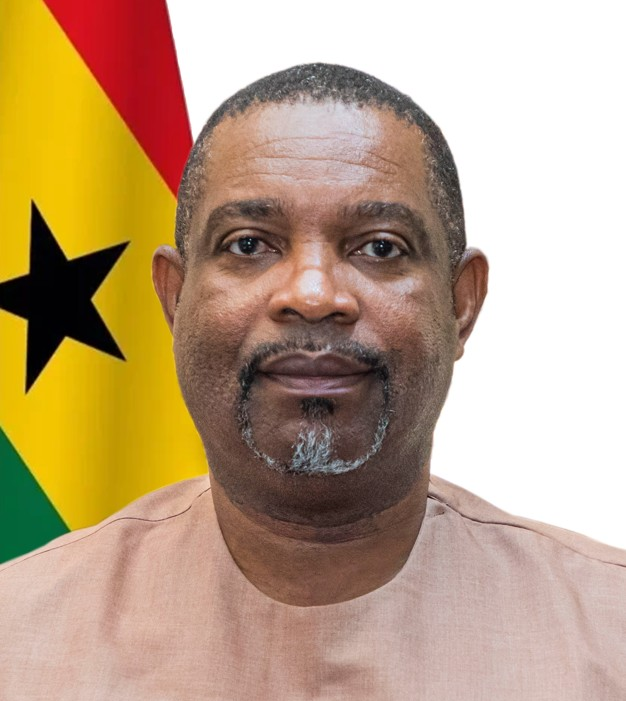
The clarification was reinforced by the Deputy Minister for Education, Dr Clement Abass Apaak, who publicly dismissed the allegations and described them as false. In a response to the claims, Dr Apaak stated, “Yet again, the lying elephant has been badly exposed,” rejecting suggestions that the government was attempting to introduce LGBTQ content into schools.
He attached evidence of the reviewed and approved teacher manual to support his position, insisting that the official documents clearly contradict the allegations being circulated.
Dr Apaak’s intervention sought to demonstrate that the Ministry of Education and its agencies had acted responsibly by reviewing the content in question and ensuring that all instructional materials align with Ghana’s values and educational standards.
He emphasized that the revised manual, now in circulation, does not promote any content inconsistent with national policy or cultural norms.

Call for Restraint
NaCCA acknowledged the importance of public debate and parliamentary oversight in matters of education but urged stakeholders to base discussions on verified facts rather than speculation.
According to the Council, mischaracterizing supplementary teaching resources as official curriculum content risks misleading the public and undermining confidence in ongoing education reforms.
The controversy has unfolded amid heightened national sensitivity around values, culture, and education policy. While the Council recognized the right of citizens and lawmakers to scrutinize government actions, it cautioned that inaccurate claims could distort public understanding of curriculum development processes.
In concluding its statement, NaCCA expressed appreciation for public vigilance and engagement, noting that feedback from stakeholders contributes to improving Ghana’s education system.
The Council reaffirmed its commitment to transparency, responsiveness, and the delivery of a high quality education framework that reflects Ghana’s national identity while preparing learners for future development.
READ ALSO: ASEC Applauds Government’s Energy Debt Clearance, Urges Deeper Reforms