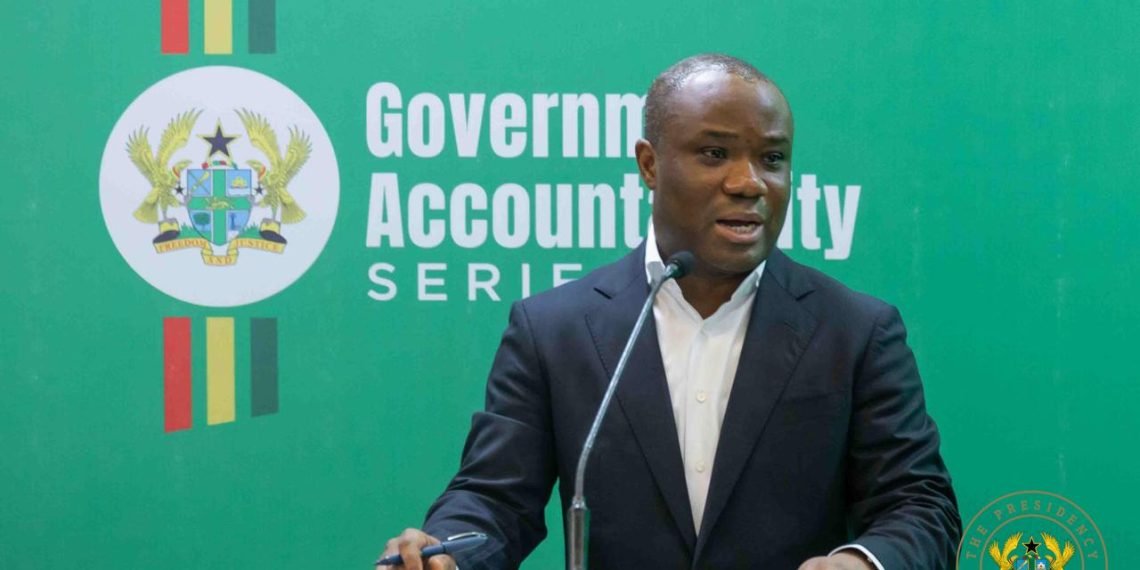
The Government of Ghana has reaffirmed its commitment to improving women’s access to affordable financing with the planned rollout of the Women Development Bank in 2026.
The Minister of State in charge of Government Communication, Mr Felix Kwakye Ofosu, has disclosed that preparations toward establishing the bank are far advanced and nearing completion. According to him, the initiative is a major policy intervention aimed at addressing long standing financing constraints that continue to limit the economic potential of women across the country.
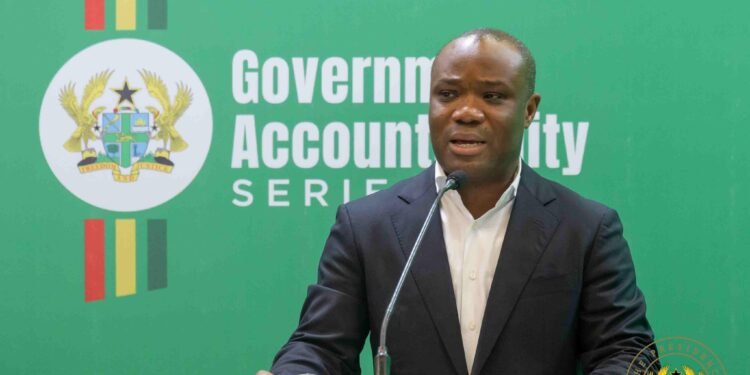
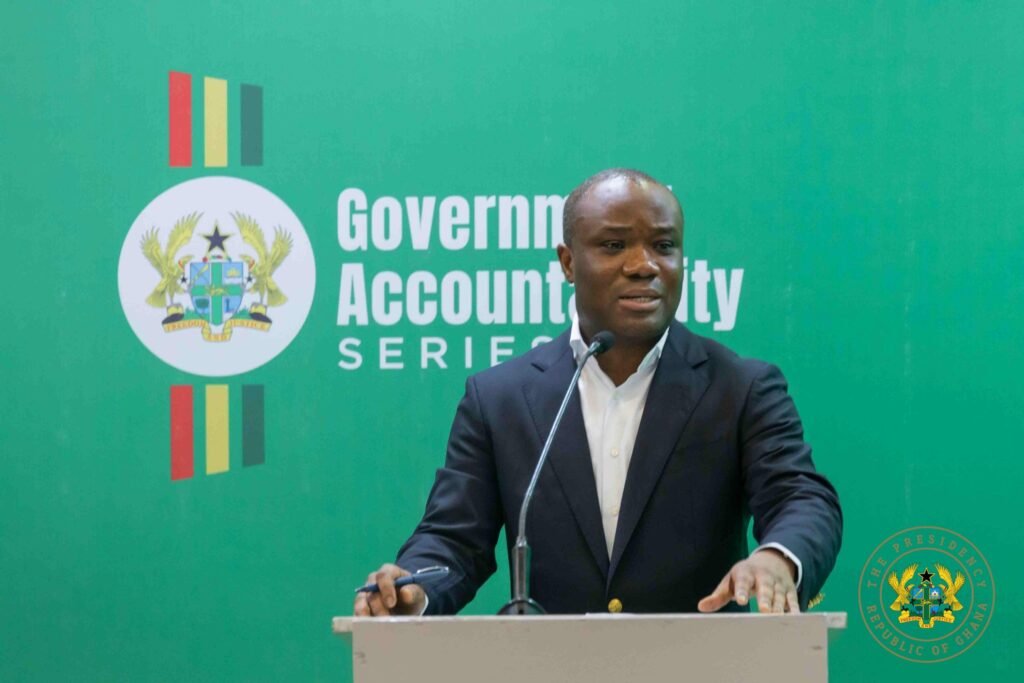
Speaking at the Government Accountability Series held on Wednesday, January 14, 2026, Mr Kwakye Ofosu emphasized that the establishment of the Women Development Bank formed a core part of the government’s campaign promises. He noted that the administration identified women’s limited access to capital as a major structural challenge within the economy, particularly for women operating in micro, small and medium scale enterprises.
Addressing the Financing Gap Facing Women
Access to affordable credit has remained one of the biggest barriers confronting women entrepreneurs in Ghana. Many women-owned businesses struggle to secure loans due to high interest rates, limited collateral, and stringent lending conditions imposed by traditional financial institutions. This challenge has constrained business expansion, job creation, and income generation among women, especially those operating in the informal sector.
The proposed Women Development Bank is expected to directly respond to these constraints by providing tailored financial products designed specifically for women. These include loans at relatively cheaper rates to support business growth across sectors such as agriculture, trade, manufacturing, services, and creative industries. Government officials believe that easing credit conditions for women will unlock additional economic growth while improving household welfare and livelihoods.



Mr Kwakye Ofosu stated that empowering women financially is not only a social intervention but also an economic strategy. According to him, increasing women’s participation in productive economic activities has a multiplier effect on national development, poverty reduction, and employment creation.
Significant Budgetary Allocations Signal Commitment
Government’s seriousness toward the Women Development Bank is reflected in the budgetary allocations made over the past two years. Mr Kwakye Ofosu revealed that the 2025 Budget made a provision of GH¢51 million to support the preparatory and institutional framework needed to set up the bank. This funding was used to lay the foundation, including legal, regulatory, and administrative structures required for the bank’s establishment.
Building on this initial allocation, the 2026 Budget made a more substantial provision of GH¢401 million to advance the rollout process. The increased funding underscores the administration’s intention to move from planning to implementation. According to the minister, the resources will support capitalization, operational readiness, and other critical requirements to ensure the bank begins operations on a strong footing.
Vice President Leads the Implementation Process
Mr Kwakye Ofosu assured the public that the process is being spearheaded under the auspices of the Vice President, adding that this high-level oversight has accelerated progress. He noted that the involvement of the Vice President highlights the strategic importance government attaches to the initiative and ensures coordination across relevant institutions.
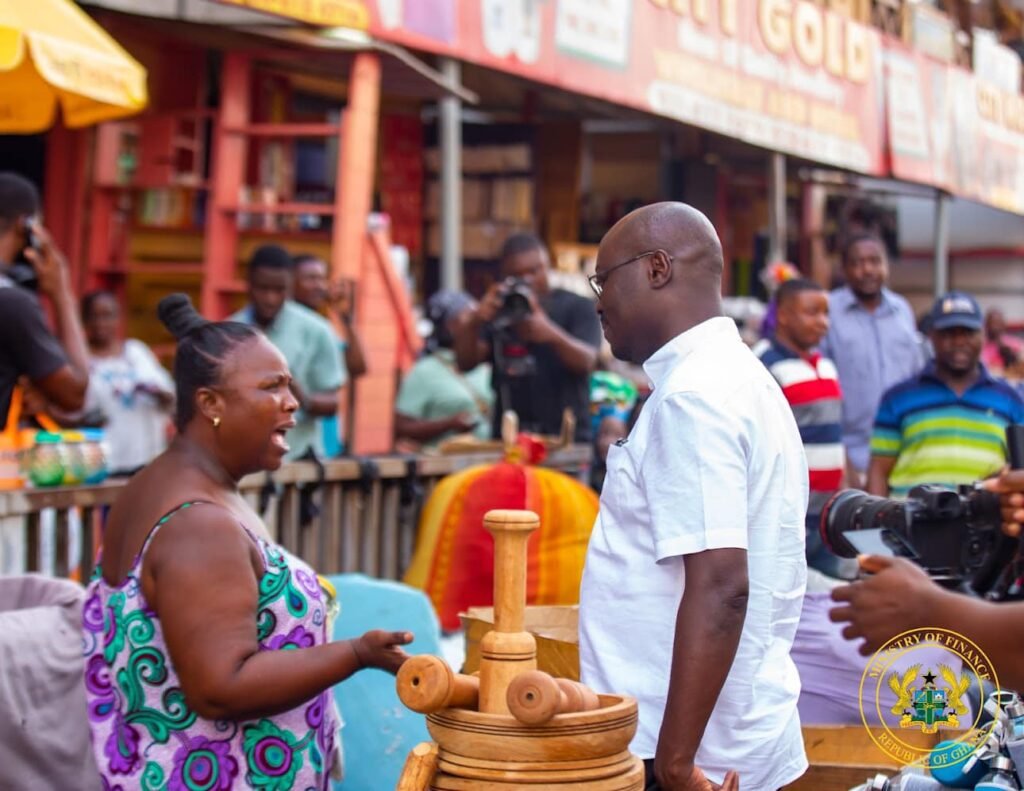
The minister explained that several key milestones have already been achieved, bringing the project closer to realization. While he did not provide specific operational dates, he expressed confidence that the Women Development Bank would be rolled out within the year, barring unforeseen challenges.
Boosting Women Entrepreneurship and Economic Inclusion
The establishment of the Women Development Bank is expected to have a far-reaching impact on women entrepreneurship and financial inclusion. By offering accessible and affordable financing, the bank is likely to strengthen women-led enterprises, enhance productivity, and support business formalization. This, in turn, could broaden the tax base and contribute to sustainable economic growth.
Women advocacy groups and development experts have long argued that targeted financial institutions are essential to bridging gender gaps in access to credit. The Women Development Bank is therefore seen as a timely intervention that aligns with broader national development objectives, including inclusive growth and gender equality.
Government officials believe that the Women Development Bank will complement existing development finance initiatives while filling critical gaps within the financial ecosystem. By focusing specifically on women, the bank is expected to deliver customized solutions that traditional banks often overlook.
As Ghana continues to pursue economic recovery and growth, the rollout of the Women Development Bank represents a significant policy milestone. If effectively implemented, it could redefine women’s participation in the economy and reinforce government’s commitment to inclusive development.
With preparations now at an advanced stage, expectations remain high that the Women Development Bank will soon transition from policy promise to operational reality, providing women across Ghana with the financial support needed to thrive.
READ ALSO: Ghana’s Economy Shows Steady Recovery with 3.8% Expansion in October, GSS Reports