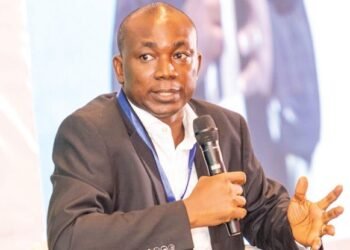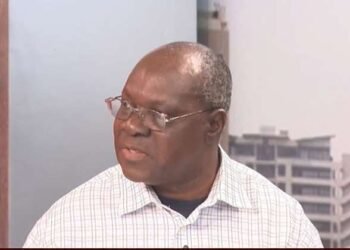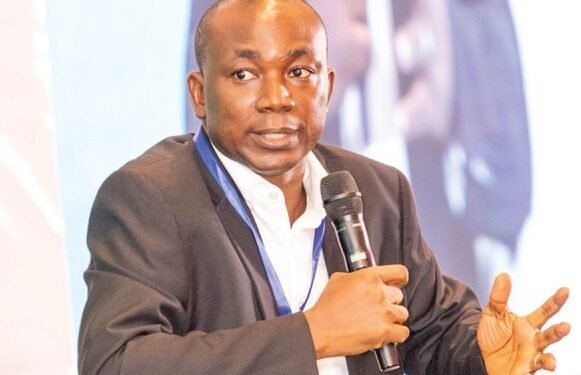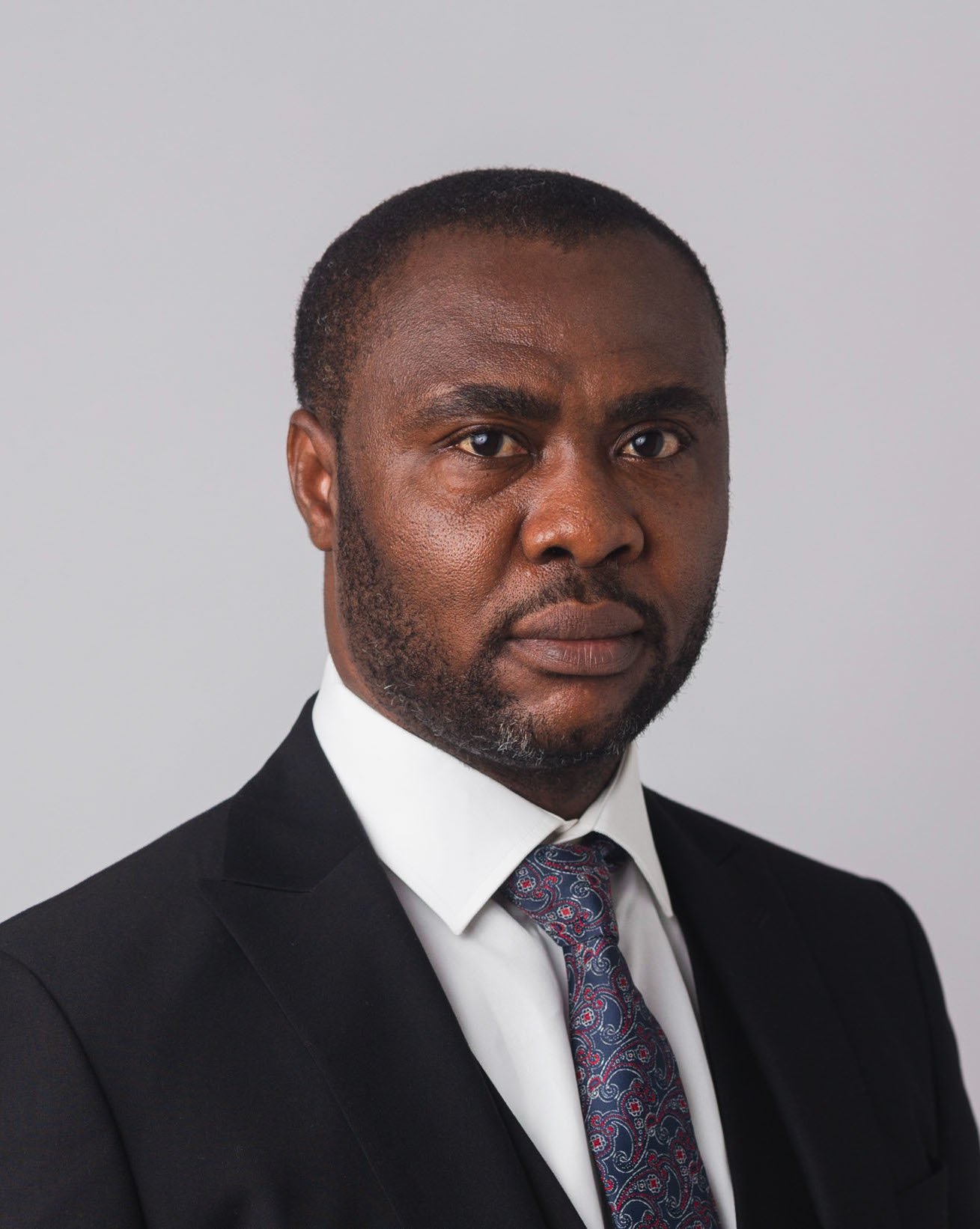
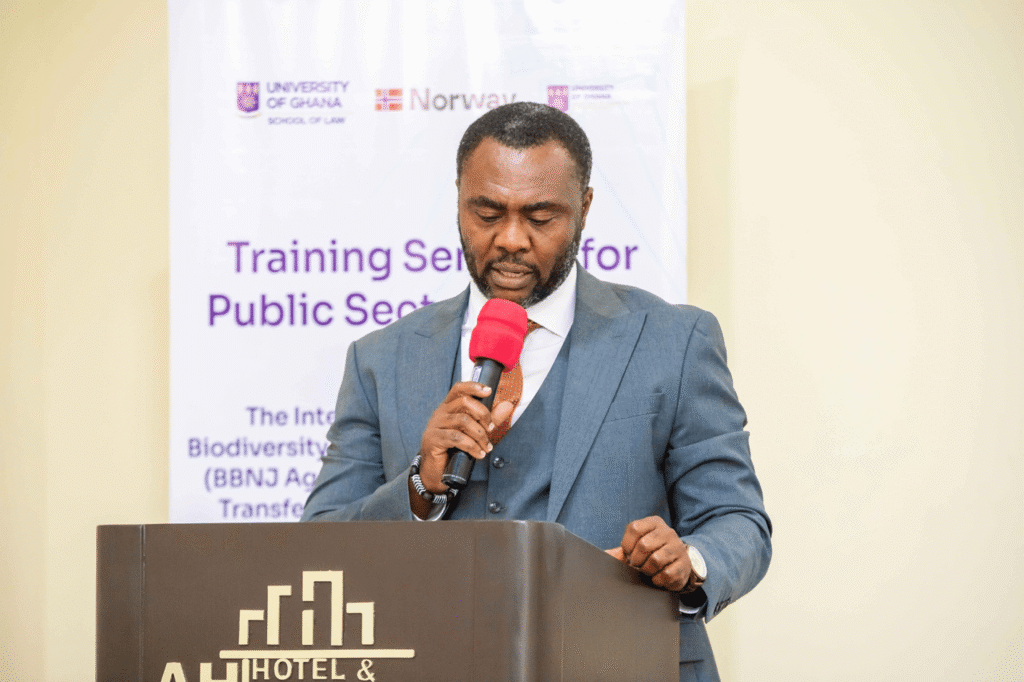
Dr. Godwin Djokoto, a Senior Lecturer at the University of Ghana School of Law and member of the Constitutional Review Committee (CRC) 2025, has called for a radical restructuring of Ghana’s land administration, proposing that public lands be vested directly in the citizenry rather than being held in trust by the President.
Speaking in a revealing interview, Dr. Djokoto argued that the current system is inconsistent with the fundamental tenets of a republican state, arguing that the “Presidential Trust” model has created a bottleneck that often obscures transparency and accountability.
“In a republican state where we say that all powers of the state emanate from the people, we are the same people we are talking about. Instead of vesting public lands in the President in trust for the people of this country, they should be vested in the people, but managed by the Lands Commission”
Dr. Godwin Djokoto, Senior Lecturer at the University of Ghana School of Law
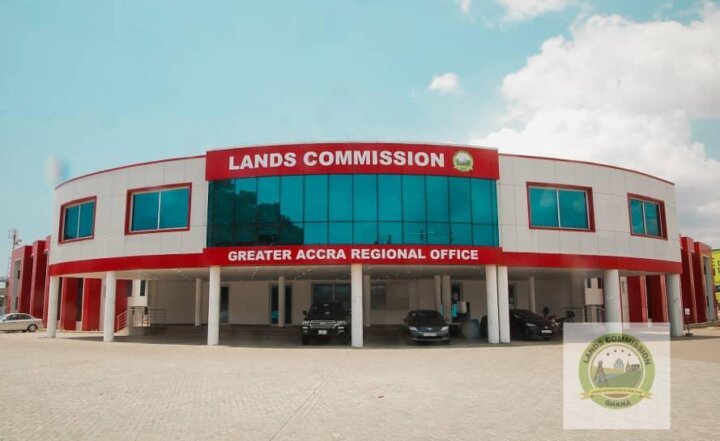
Dr. Djokoto maintained that the ultimate ownership of the nation’s most valuable physical asset should reside with the people themselves. Under his proposed framework, the Lands Commission would transition from a secondary administrative body to the primary professional manager of these communal assets.
Adding up to the shift in ownership, the legal scholar emphasized that “sanity can only be restored to the public space through aggressive oversight.” A central pillar of his proposal involves expanding the mandate of the Auditor-General to include a comprehensive, real-time registry of every square inch of public land.
This would move the Auditor-General’s role from merely reviewing financial statements to actively policing land transactions. Dr. Djokoto revealed that the proposed reforms would grant the state the explicit power to nullify any sale, assignment, or lease that does not meet a strict “value for money,” test.
This mechanism is designed to halt the controversial trend of “midnight land allocations” and the perceived gifting of state property to politically connected individuals.


Curbing Executive Mismanagement
The push for these reforms comes amid long-standing public outcries over the encroachment on state lands and the lack of clarity regarding the disposal of public property. By removing the President as the sole “trustee,” the CRC 2025 aims to insulate land administration from the fluctuations of the political cycle.
Dr. Djokoto argued that professional management by a strengthened Lands Commission, coupled with the Auditor-General’s scrutiny, would create a system where land is treated as a strategic national resource rather than a tool for political patronage.
The goal is to ensure that every transaction involving public land is conducted in the “glaring light,” of public accountability.
“This approach would preserve citizen ownership while ensuring professional management and oversight. The proposal includes safeguards aimed at guaranteeing transparency, accountability, and value for money in all dealings involving public lands. It is only consistent that public assets belong to the citizenry and not an individual officeholder”
Dr. Godwin Djokoto, Senior Lecturer at the University of Ghana School of Law
The conclusion of Dr. Djokoto’s argument centered on the restoration of public trust. He believes that when Ghanaians see their lands being managed transparently – with clear records of who owns what and at what price – confidence in the state’s stewardship will naturally rise.
As the Constitutional Review Committee’s work continues to draw public review, this proposal stands out as one of the most significant shifts toward decentralizing executive power and returning it to the constitutional “owners,” of the state.
READ ALSO: WAPCo Schedules Gas Pipeline Safety Tests Starting Today