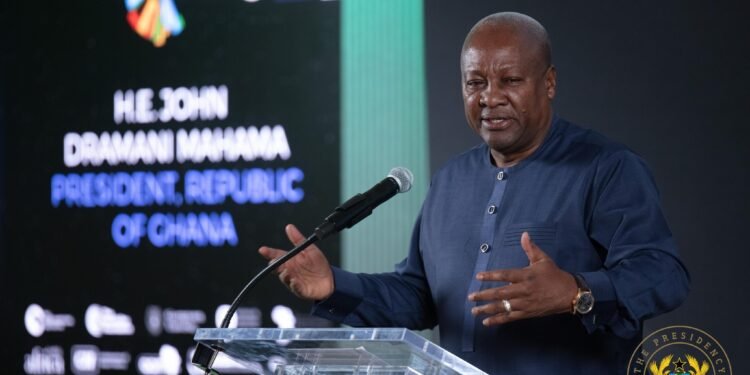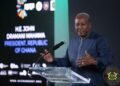
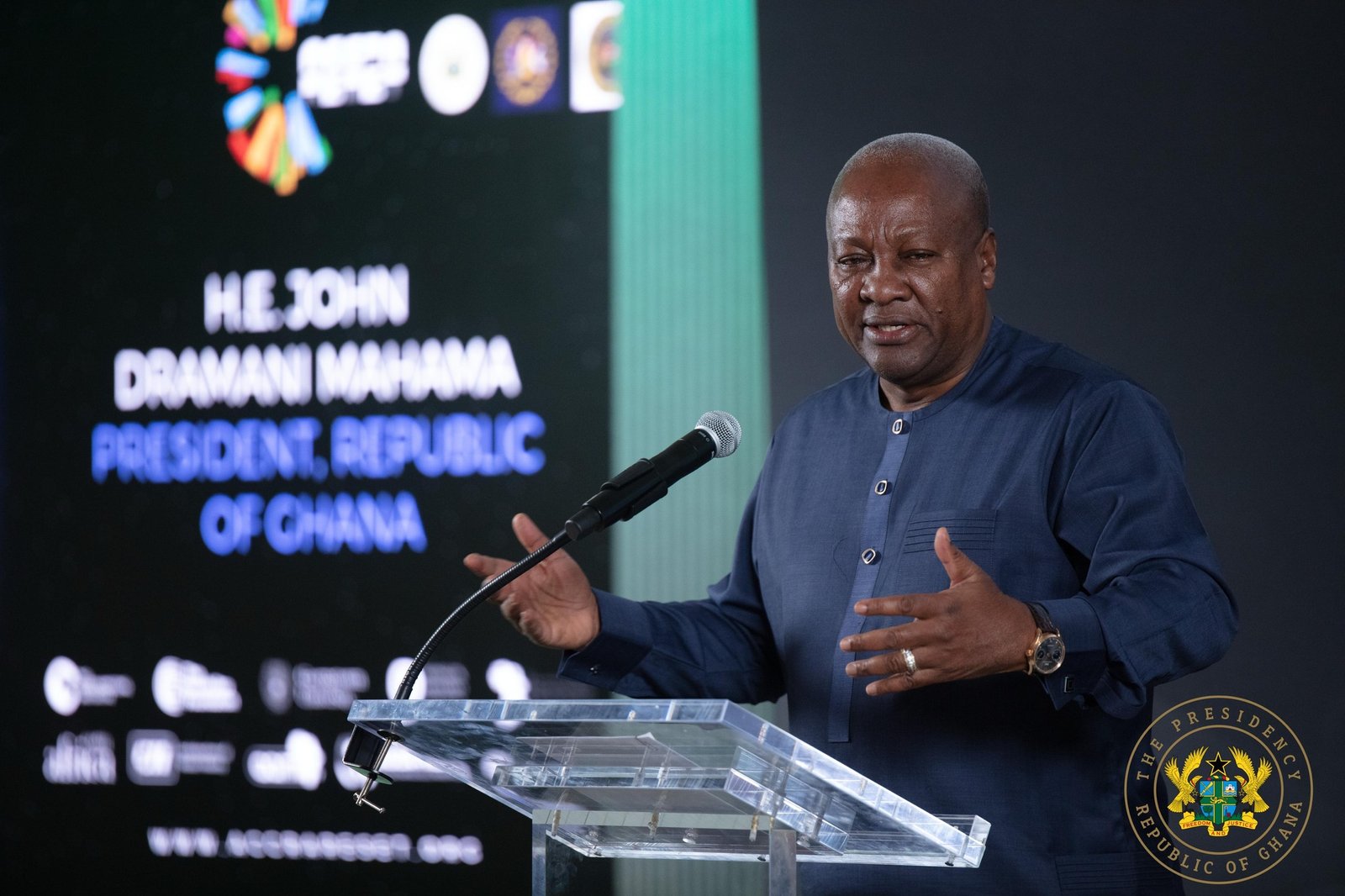
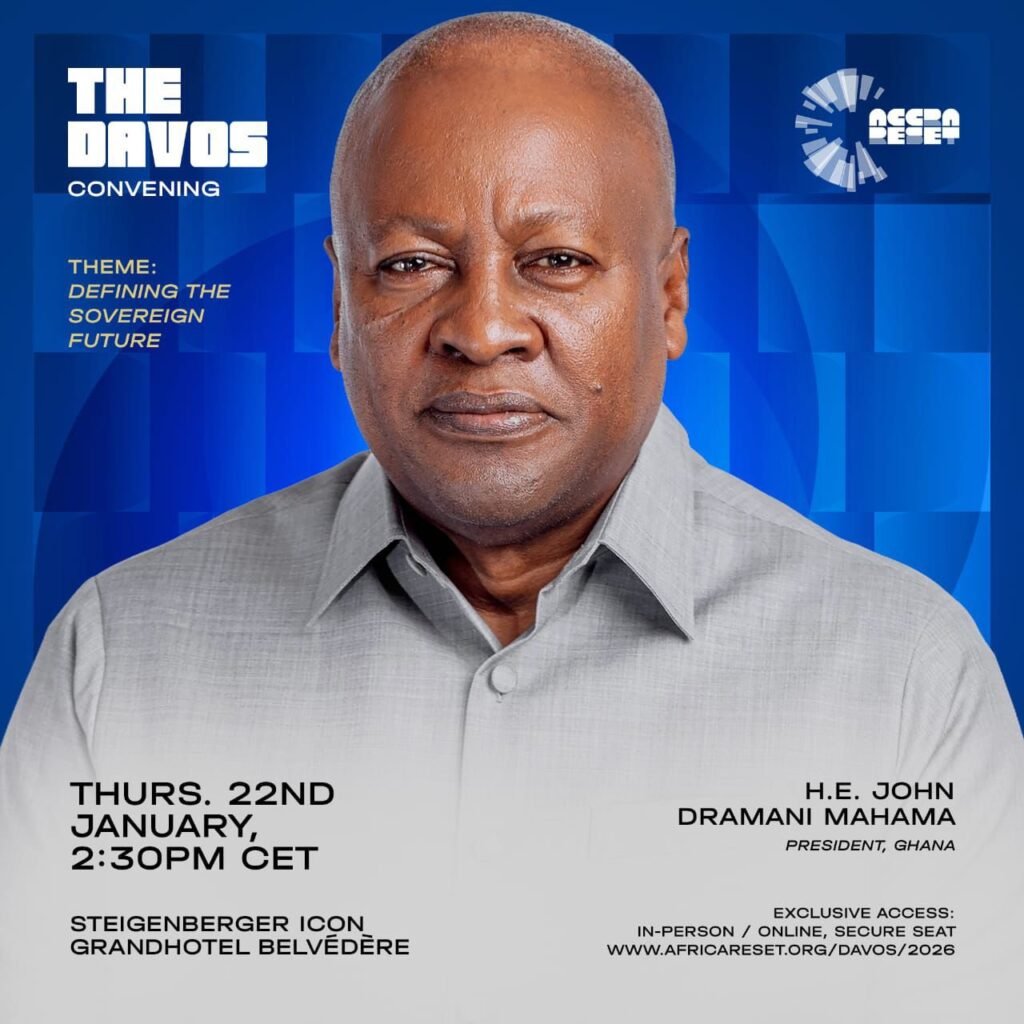
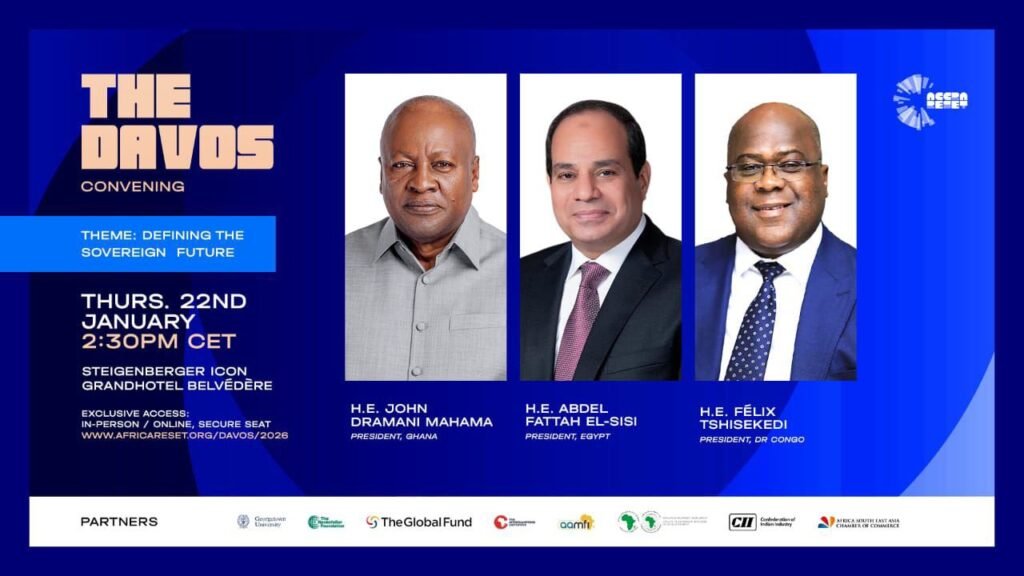
President John Dramani Mahama is set to host a high level forum at the Davos Summit on Thursday, January 22, at 2:30 pm Central European Time, bringing together global leaders and key stakeholders for a strategic dialogue on Africa’s future.
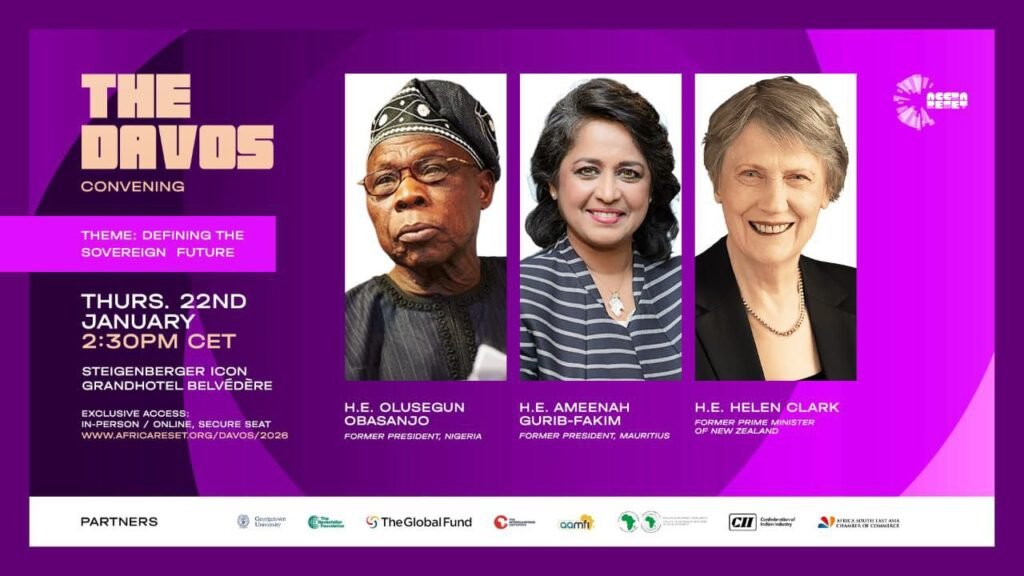
The engagement forms part of the Accra Reset Initiative and is expected to focus on Africa’s pursuit of economic independence, governance reform and sustainable development within an evolving global order. The forum will feature President Mahama alongside former President of Nigeria, Olusegun Obasanjo, and other prominent leaders and policy actors. ‘
Held under the theme “Defining the Sovereign Future”, the dialogue seeks to create space for frank and forward-looking discussions on sovereignty, leadership, and Africa’s positioning within global decision-making structures.
Organisers say the event will also reinforce the Accra Reset vision, which emphasizes African-led solutions to long-standing structural challenges confronting the continent.
According to officials familiar with the programme, the Davos engagement is intended to move beyond rhetoric and examine how African countries can reclaim practical sovereignty in a world marked by shifting power dynamics and economic uncertainty.
The forum will explore how Africa can strengthen its agency in global affairs while navigating pressures arising from geopolitical competition, financial constraints and uneven development outcomes.


The Accra Reset Initiative
The Accra Reset Initiative, which underpins the forum, is a Head of State sponsored strategic framework conceived to address what its proponents describe as the erosion of practical sovereignty across much of the Global Majority.
While many countries achieved formal political independence decades ago, the initiative argues that structural conditions have limited their ability to exercise meaningful control over economic and policy choices.
In recent years, these pressures have intensified. They have manifested through heightened geopolitical contestation, fragmented multilateral systems, constrained fiscal space and disrupted aid and financing flows.
Externally designed development interventions, according to the Accra Reset framework, have often delivered limited and uneven results, reinforcing cycles of dependency rather than enabling sustainable transformation.
At the centre of the Accra Reset is a diagnostic framework spearheaded by President Mahama that seeks to confront what is described as the Triple Dependency Burden.
This burden comprises geopolitical vulnerability, donor dependence and geostrategic marginalization. Together, these factors are seen as constraining the policy autonomy of African states and limiting their capacity to chart independent development paths.
Geopolitical vulnerability refers to the exposure of African countries to external power rivalries and shifting alliances that can undermine national interests. Donor dependence reflects the continued reliance on external financing and aid flows that often come with conditions misaligned with domestic priorities.
Geostrategic marginalization points to Africa’s limited influence within global decision making institutions, despite the continent’s growing population and economic potential.
The Davos forum is expected to examine how African leaders and partners can respond to these interlinked challenges. Discussions are likely to focus on strategies for expanding fiscal space, strengthening regional integration and enhancing Africa’s collective voice in global governance.
Participants are also expected to reflect on leadership choices and institutional reforms required to support long-term resilience. President Mahama has previously argued that addressing Africa’s sovereignty challenge requires a shift in mindset as well as policy.
Africa Taking Ownership of Development Strategies
In articulating the Accra Reset vision, he has emphasized the need for African governments to take greater ownership of development strategies while engaging global partners on more balanced terms. The Davos engagement is seen as an opportunity to advance this perspective on a prominent international platform.
Former Nigerian President Olusegun Obasanjo’s participation is expected to add historical depth and regional perspective to the discussions. As a long standing advocate for African self determination and reform of global governance systems, his presence underscores the forum’s focus on leadership and continuity across generations.
Holding the dialogue at the Davos Summit carries symbolic significance. Davos has traditionally been a space where global economic priorities are shaped, often with limited African representation.
By convening a forum centred on Africa’s sovereign future within this setting, the organisers aim to reposition the continent as an active agenda setter rather than a passive subject of global debates.
As Africa faces mounting economic and political pressures, the outcomes of the forum will be closely watched by policymakers, civil society actors and development partners.
While the dialogue itself will not resolve entrenched structural challenges, proponents of the Accra Reset argue that sustained engagement and clarity of purpose are essential first steps.
The Davos forum is expected to reaffirm the call for a recalibration of Africa’s relationship with the global system, grounded in agency, strategic autonomy and cooperation based on mutual interest. For President Mahama and other participants, the engagement represents both a diagnostic moment and a platform to outline pathways toward a more sovereign and sustainable African future.
READ ALSO: GIPC Unveils $152m Investment Opportunities Bonanza