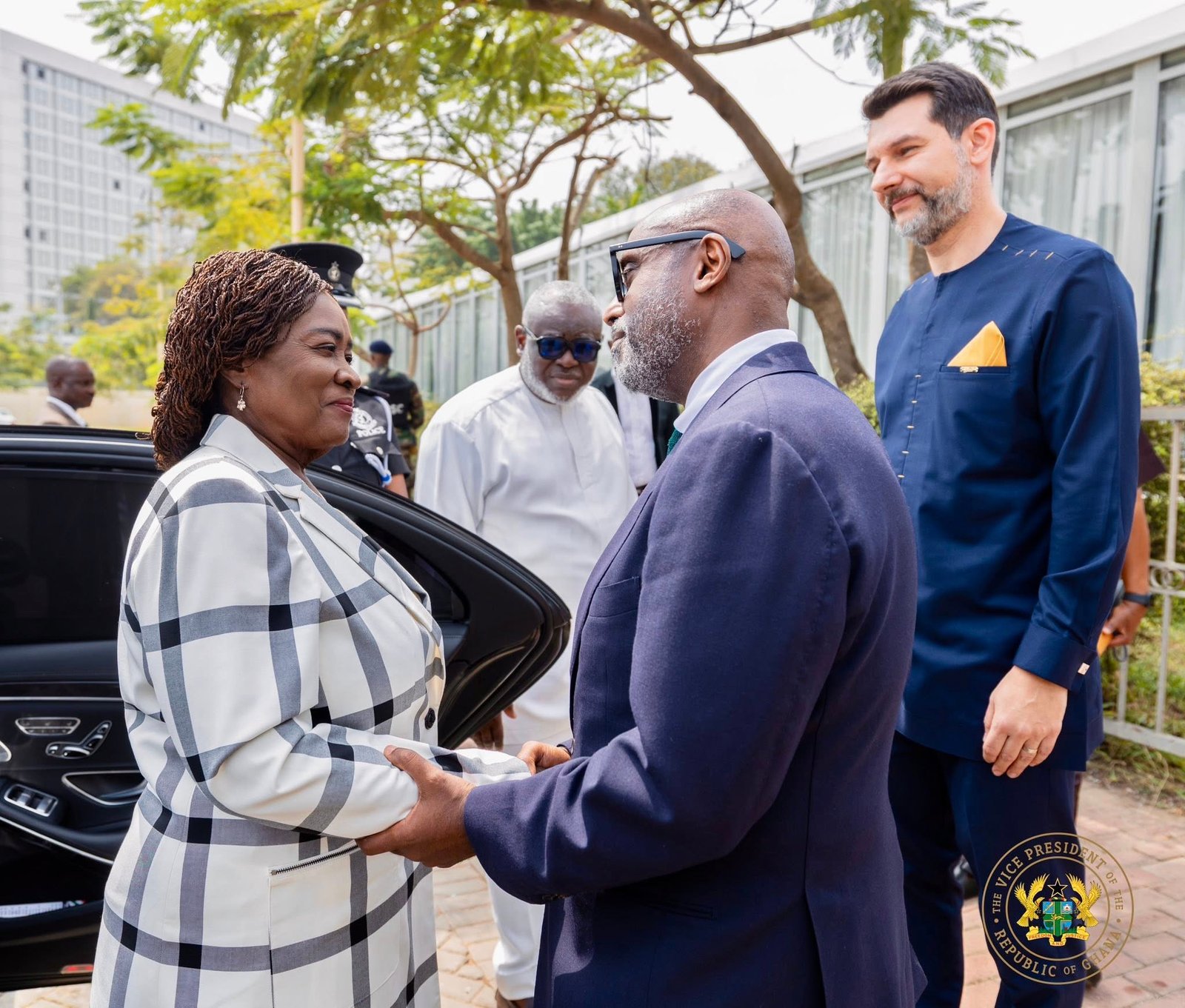
Vice President Professor Jane Naana Opoku Agyemang has called for a redefinition of Ghana’s relationship with the International Monetary Fund, arguing that emergency financial support, while important, is no longer sufficient to address the country’s long term development needs.
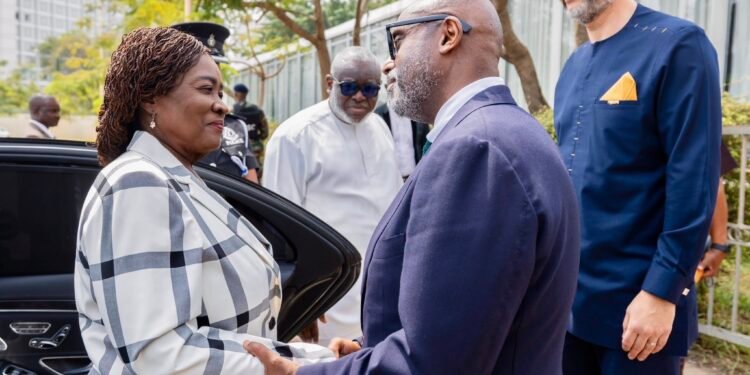
Her remarks were shared after she participated in a meeting with Heads of International Monetary Fund country and regional offices in Africa, held against the backdrop of growing global concern over debt sustainability and development finance.
Reflecting on the engagement, the Vice President said the discussion provided a timely opportunity to assess Ghana’s economic experience within a rapidly changing global and regional context. She noted that the country’s current economic position marks a significant shift from the challenges it faced in the recent past.
“Ghana’s reality today is different from what it was not too long ago,” she wrote, drawing attention to the improving macroeconomic indicators that have helped restore confidence in the economy.
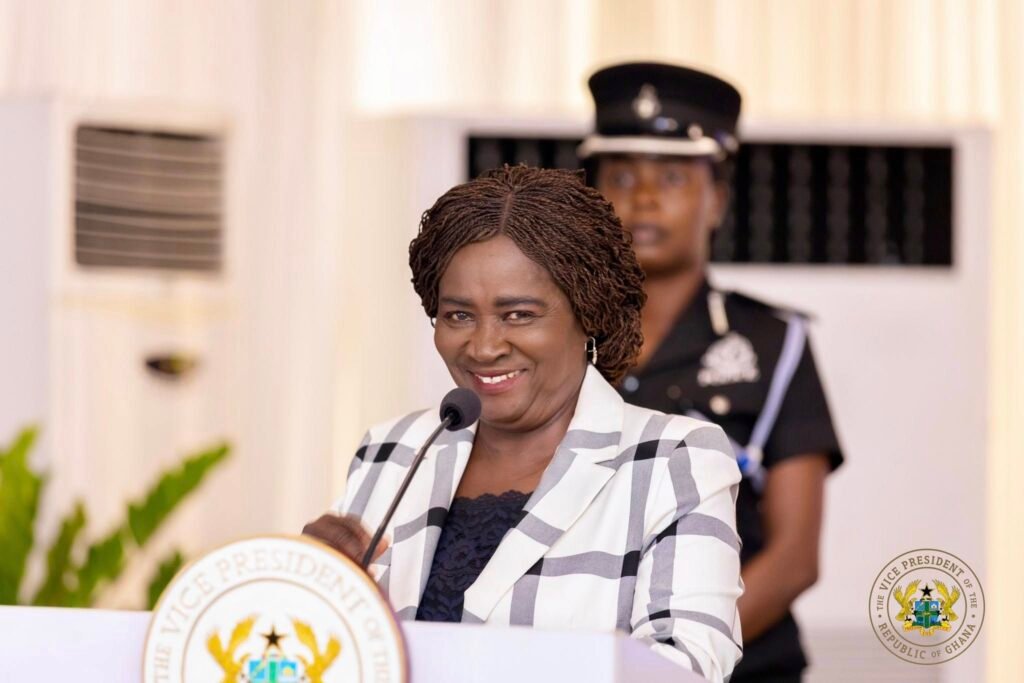
According to Professor Opoku Agyemang, Ghana has recorded meaningful progress in key areas, including the return to single digit inflation, greater stability of the cedi and stronger real GDP growth.
She emphasized that these improvements are not confined to technical economic assessments but are beginning to translate into real effects across the economy. “These gains are not abstract. They are felt in real ways across the economy,” she stated, underscoring the practical impact of recent reforms.


Ghana Advancing with Cautious Optimism
The Vice President cautioned, however, that the current phase of recovery must be approached with realism. She explained that Ghana is advancing with cautious optimism, anchored in a strong sense of responsibility and determination.
In her view, the progress achieved so far is the result of deliberate policy choices and structural reforms that demand discipline and sacrifice. She stressed that the reforms underpinning the recovery are “supported, not dictated, by the IMF,” highlighting the government’s insistence on national ownership of its economic programme.
She added that the Mahama-led government’s willingness to make difficult but necessary decisions has been central to restoring stability and credibility to the country’s economic front.
IMF’s Relevance
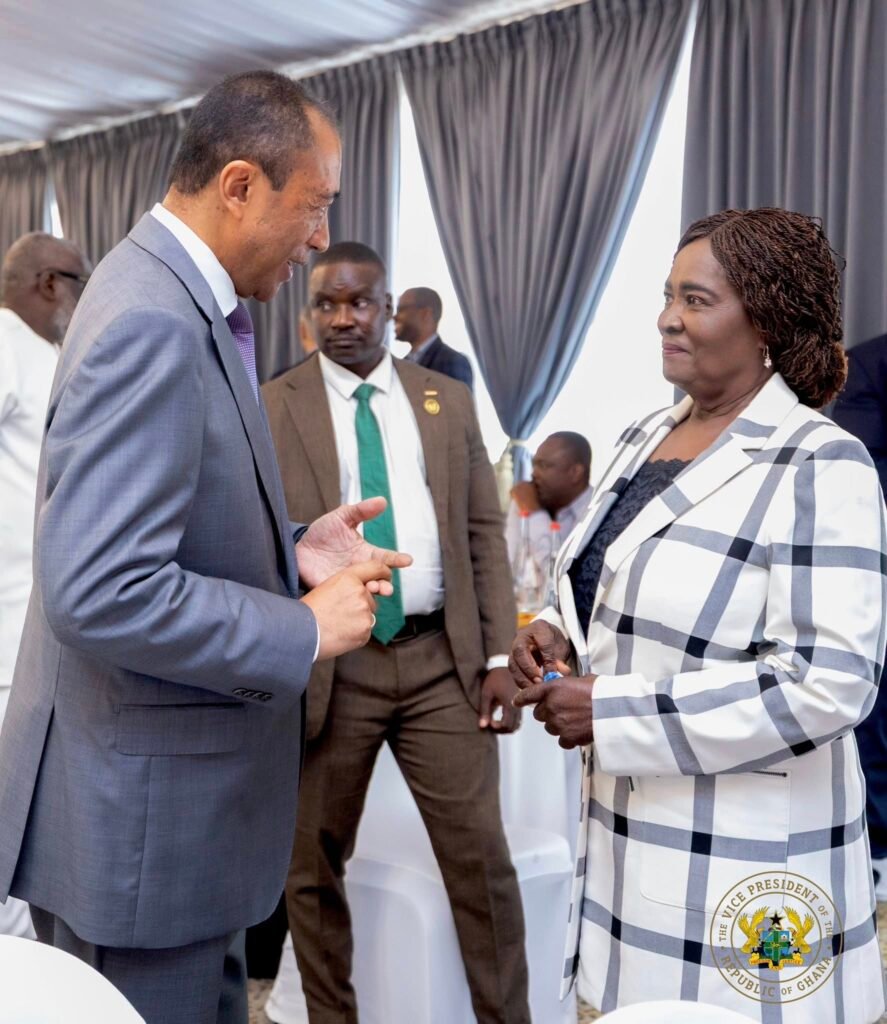
Professor Opoku Agyemang also acknowledged the continuing relevance of international financial institutions such as the IMF across the African continent. She noted that these institutions remain important partners in addressing balance of payments pressures and supporting macroeconomic stabilisation.
At the same time, she argued that recent global and regional developments increasingly demonstrate Africa’s readiness to take greater responsibility for its development trajectory.
She observed that African countries are becoming more assertive in shaping their economic futures, even as they continue to engage international partners. This shift, she suggested, reflects a growing confidence in the continent’s capacity to design and implement home grown solutions while pursuing mutually beneficial cooperation.
The Vice President’s reflections were closely aligned with President John Dramani Mahama’s position on Ghana’s engagement with the IMF. She reaffirmed the President’s view that the country’s relationship with the Fund must evolve beyond a narrow focus on crisis management.
A More Comprehensive and Forward-Looking Partnership
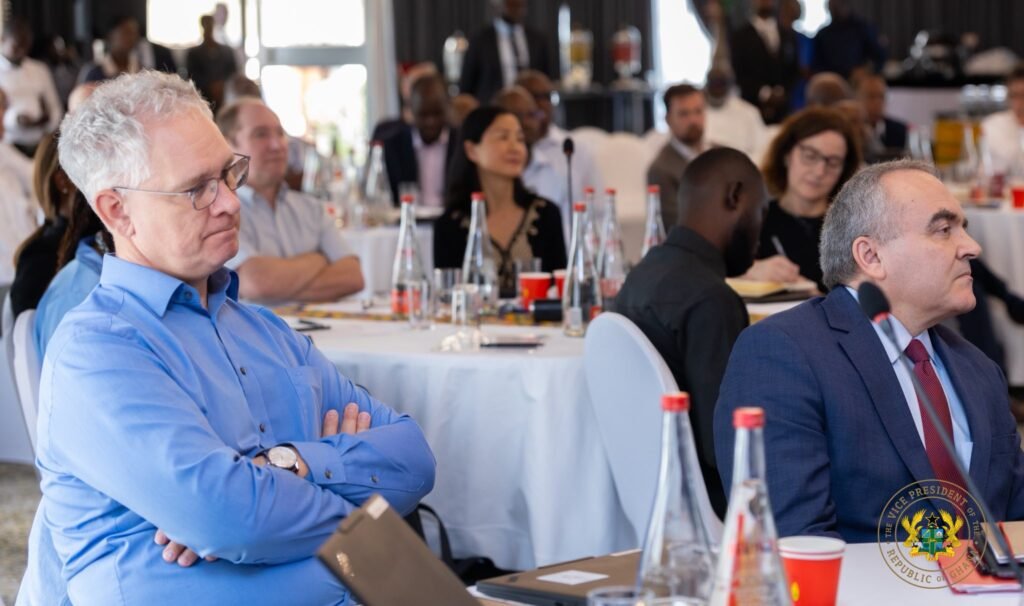
“Emergency support alone is not enough,” she reiterated, signaling the need for a more comprehensive and forward-looking partnership. She pointed out that Africa continues to face deep structural challenges, including persistently high borrowing costs that constrain investment and development.
These challenges, she argued, cannot be resolved through short term financial interventions alone. Instead, they require coordinated efforts to reform the global financial system in ways that are fairer and more responsive to the realities of developing economies.
At the same time, Professor Opoku Agyemang highlighted significant opportunities that could redefine Africa’s economic prospects if effectively leveraged. Chief among these, she noted, is the African Continental Free Trade Area, which holds the promise of expanding intra African trade, boosting industrialisation and reducing dependence on external markets.
She also pointed to a growing resolve across the continent to pursue self reliance, not in isolation but with the support of equitable international cooperation. In her view, this approach offers a pathway for African countries to build resilience while remaining integrated into the global economy.
By situating Ghana’s IMF programme within this broader continental and global context, the Vice President sought to frame the country as an active participant in shaping development partnerships rather than a passive recipient of assistance.
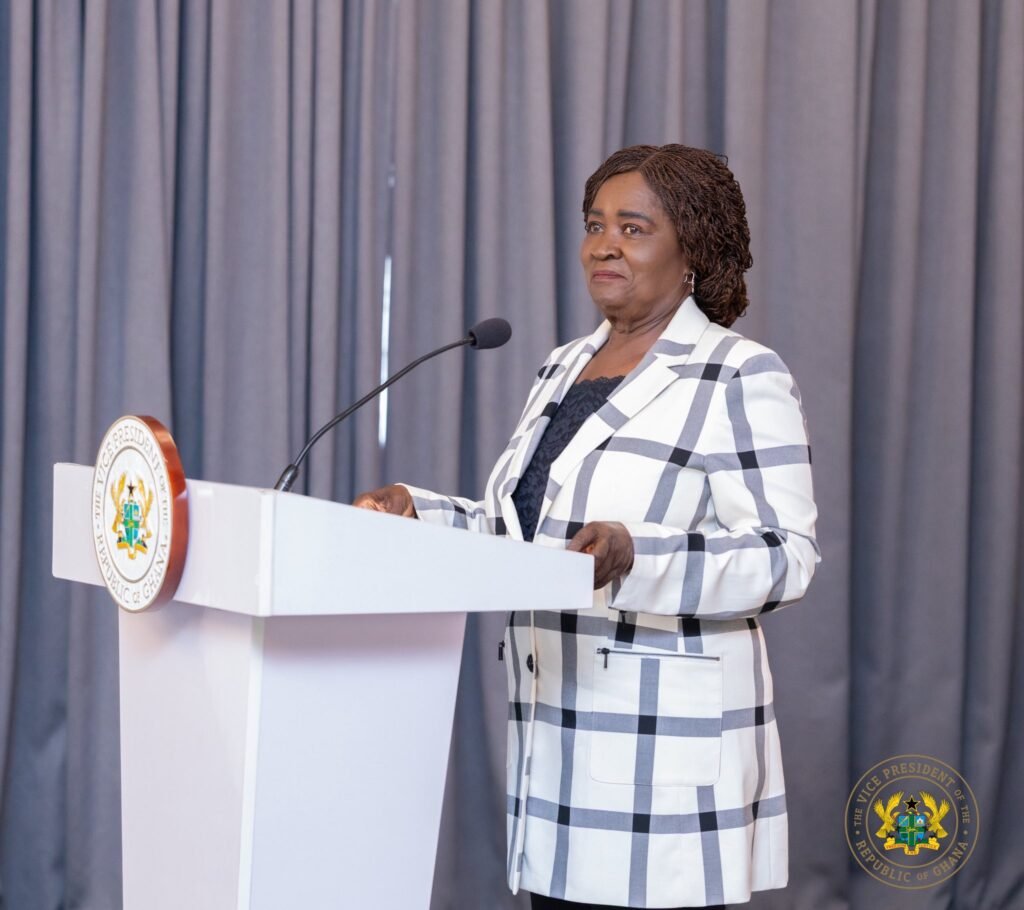
Her remarks suggest an ambition to move from a model defined largely by emergency interventions toward one focused on long-term transformation and shared responsibility.
As global debates over debt, development finance and reform continue to intensify, Professor Opoku Agyemang’s reflections provide insight into how Ghana’s leadership envisions the next phase of engagement with the IMF.
The challenge ahead, she implied, is to sustain recent economic gains while advancing a development agenda that prioritizes resilience, fairness and inclusive growth.