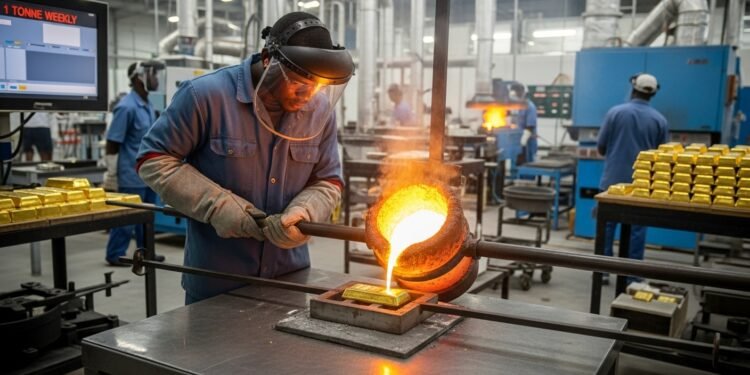
Williams Okofu-Dateh, Chief Executive Officer (CEO) of the Ghana Integrated Iron and Steel Development Corporation (GIISDEC), has initiated a sweeping regulatory overhaul of Ghana’s informal scrap metal sector, aiming to end years of oversight gaps that have fueled infrastructure theft and data deficits.
Addressing the new implementation phase, the GIISDEC CEO confirmed that the government is moving to tighten its grip on the trade. The policy, which has already received ministerial approval, seeks to transform the largely unregulated market into a formalized industry that secures the domestic steel value chain while protecting public assets.
“It’s a very big industry, but nobody was really taking care of it. Anybody can come in and start doing scrap business. Even the smelters will buy from anyone at all. Where the material comes from, nobody cares.
“This policy is very broad. It covers every aspect of the scrap business – imports, exports, domestic trading – and we will be working with trade authorities, Customs, the police and smelters themselves”
Williams Okofu-Dateh, CEO of the Ghana Integrated Iron and Steel Development Corporation
The GIISDEC boss explained that the move was a necessary intervention for an industry that, despite its massive scale, has operated in the shadows for far too long. He noted that the scrap metal trade is the lifeblood of local steel production, yet the lack of a formal framework has allowed the market to operate without accountability.
This “open-door” reality has led to the rampant theft of manhole covers, railway tracks, and household metals, as smelters often purchase materials without questioning their origin or legality.
Steel Value Chain
The strategic importance of scrap metal to Ghana’s industrialization cannot be overstated. According to GIISDEC data, approximately 80 percent of the iron rods used in the country’s construction boom are produced locally, with recycled scrap serving as the primary raw material.
Currently, only 20 percent of steel inputs are imported, making the domestic scrap market a critical pillar of national self-reliance. However, without reliable data on volumes or trade flows, the government has been forced to manage this vital sector based on assumptions rather than hard evidence.


“Because it is unregulated, everything is more like an assumption. Once we formalise it, we will know who is doing the business, at what volumes and where the scrap is going.
“Data collection and traceability are key reasons for this policy. If we don’t develop this industry, there is no way the country can industrialise. Every industrialised country did it on the back of iron and steel”
Williams Okofu-Dateh, CEO of the Ghana Integrated Iron and Steel Development Corporation
Mr. Okofu-Dateh emphasized that formalization is the only path to achieving true traceability and data integrity. By registering every player in the supply chain, GIISDEC intends to track the movement of metal from the point of collection to the furnace.
This level of transparency is expected to deter criminal activity and ensure that local smelters have a consistent, legal supply of high-quality recycled metal to meet the demands of the building industry.

A Phased Enforcement Strategy
Mr. Williams Okofu-Dateh noted that the rollout of the new policy will not happen overnight. He revealed that implementation will be phased to allow for thorough consultation and the development of workable licensing requirements.
GIISDEC is currently defining the eligibility criteria and fee structures that will govern the trade moving forward.
To ensure that the new rules do not disrupt existing production cycles, the corporation is actively seeking buy-in from major industrial players, including B5 Plus, which stands as one of the largest consumers of scrap in the country.
“We have engaged major steel producers to align enforcement with industry practices and secure cooperation across the supply chain. Data collection and traceability remain the key reasons for this policy”
Williams Okofu-Dateh, CEO of the Ghana Integrated Iron and Steel Development Corporation
By working alongside the Ghana Revenue Authority (GRA), the Police, and Customs, GIISDEC aims to create an inter-agency net that captures revenue while flushing out illicit operators.
The goal is to move beyond simple regulation and toward a comprehensive industrial strategy that addresses the broader challenges facing the sector, such as high energy costs and land access.
Beyond the immediate concerns of theft and regulation, the GIISDEC leadership is looking toward a long-term vision for Ghana’s iron and steel sector. Mr. Okofu-Dateh plans to convene an industry forum later this year to bring together all stakeholders to discuss the infrastructure and transport hurdles that currently constrain growth.
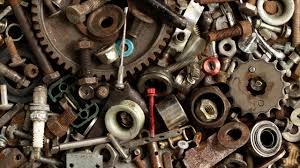
He believes that a well-regulated scrap trade is merely the first step toward a fully integrated iron and steel industry that can serve as the backbone of Ghana’s economic transformation.
As the implementation progresses, the focus remains on bringing order to a market that has long underpinned the nation’s construction sector from the periphery.
For the government, this is about more than just scrap metal; it is about securing the raw materials of the future and ensuring that the pillars of Ghana’s industrialization are built on a foundation of legality and transparency.
READ ALSO: UK Approves China’s Mega Embassy Plans