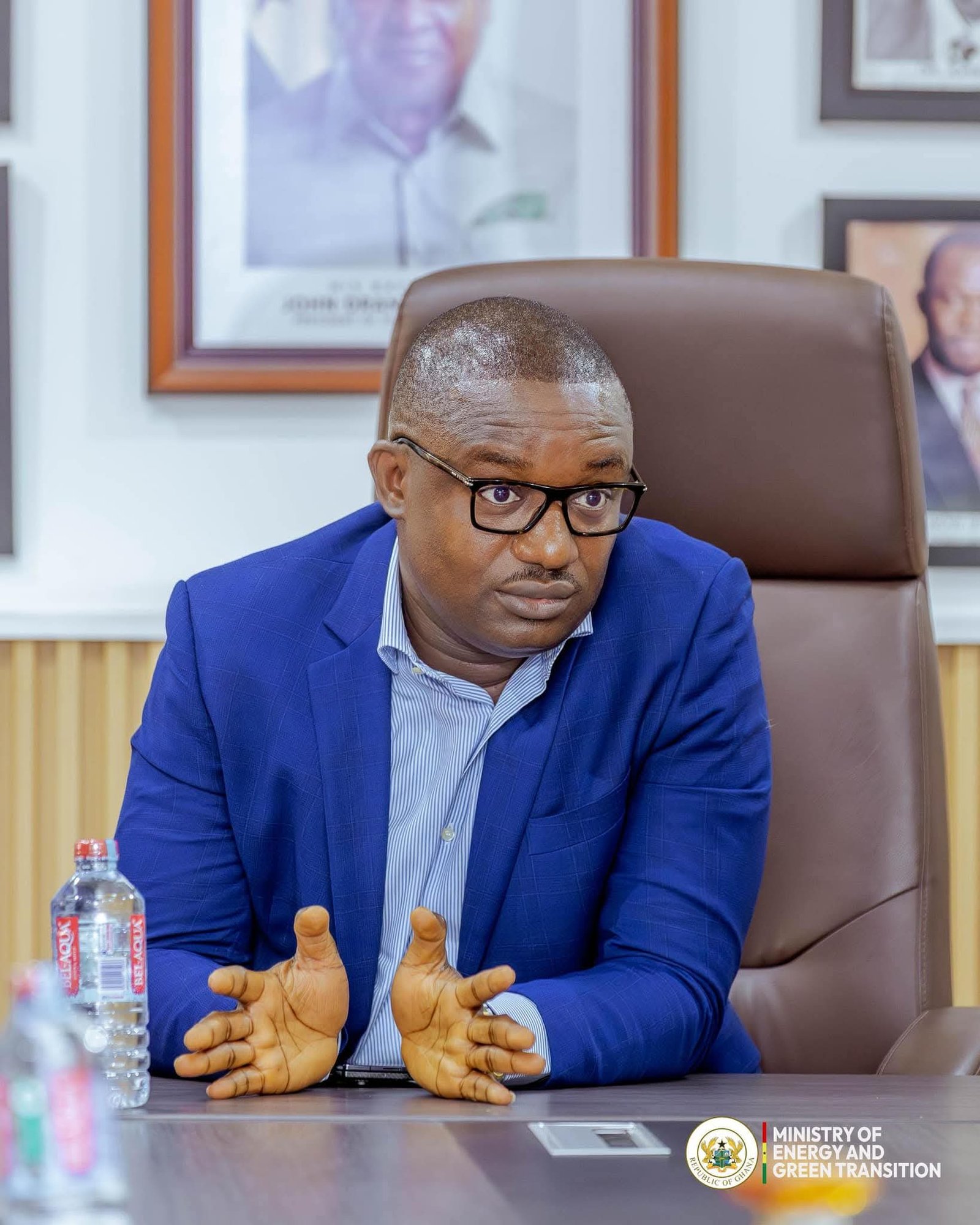
The Minister for Energy and Green Transition, Dr John Abdulai Jinapor, has held high-level engagements with organised labour and utility stakeholders as part of government efforts to address longstanding challenges in Ghana’s power distribution sector.
Dr Jinapor said the meeting reflected government’s commitment to continuous and inclusive engagement with all stakeholders affected by power sector reforms.
“As part of Government’s commitment to continuous engagement with all stakeholders, I engaged the Trades Union Congress (TUC), the Public Utilities Workers’ Union (PUWU), NEDCo, and representatives from various utility institutions on Private Sector Participation in ECG and NEDCo.”
Dr John Abdulai Jinapor, Minister for Energy and Green Transition
He noted that labour unions and utility workers play a critical role in the delivery of electricity services and must therefore be part of any conversation about structural changes within the sector.
The discussions focused on private sector participation in the Electricity Company of Ghana (ECG) and the Northern Electricity Distribution Company (NEDCo), amid growing concerns about inefficiencies threatening the sustainability of the sector.
The engagement brought together the Trades Union Congress (TUC), the Public Utilities Workers’ Union (PUWU), management of NEDCo, and representatives from various utility institutions. It forms part of government’s broader strategy to build consensus and ensure transparency as reforms in the power sector gather pace.
Frank, Data-Driven Discussions
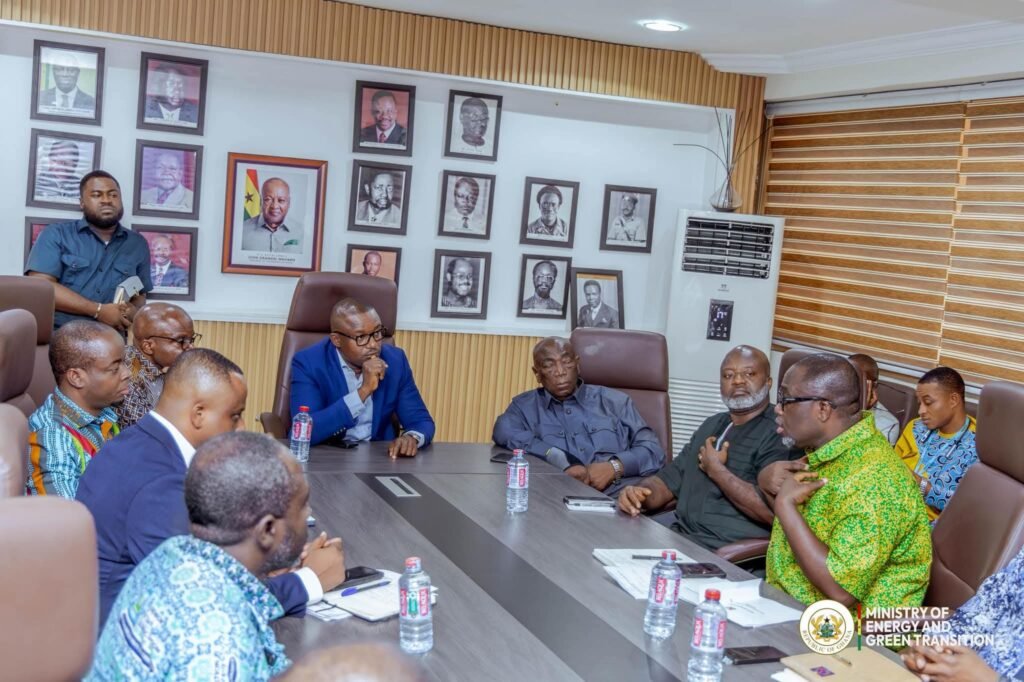


According to the Energy Minister, the engagement was candid and grounded in evidence, allowing stakeholders to openly assess the state of the power distribution system.
“The engagement was frank, constructive, and driven by data,” Dr Jinapor said. He explained that discussions centred on operational realities within ECG and NEDCo, particularly challenges that continue to undermine efficiency and financial stability.
What emerged clearly from the dialogue, he noted, was the severity of weaknesses within the distribution chain of the power sector.
Dr Jinapor identified billing and revenue collection as some of the most pressing issues facing electricity distribution in Ghana. He warned that failure to address these challenges could have serious consequences for the entire energy value chain.
“What is not in doubt is that there is a major challenge within the distribution chain of the power sector, particularly in the areas of billing and collections.”
Dr John Abdulai Jinapor, Minister for Energy and Green Transition
According to the minister, inefficiencies in these areas have contributed to revenue leakages, liquidity constraints, and growing debt within the sector, affecting power generators, fuel suppliers, and ultimately consumers. “If not addressed decisively, this challenge poses a serious risk to the sustainability of the sector,” he cautioned.
Private Sector Participation Under Review
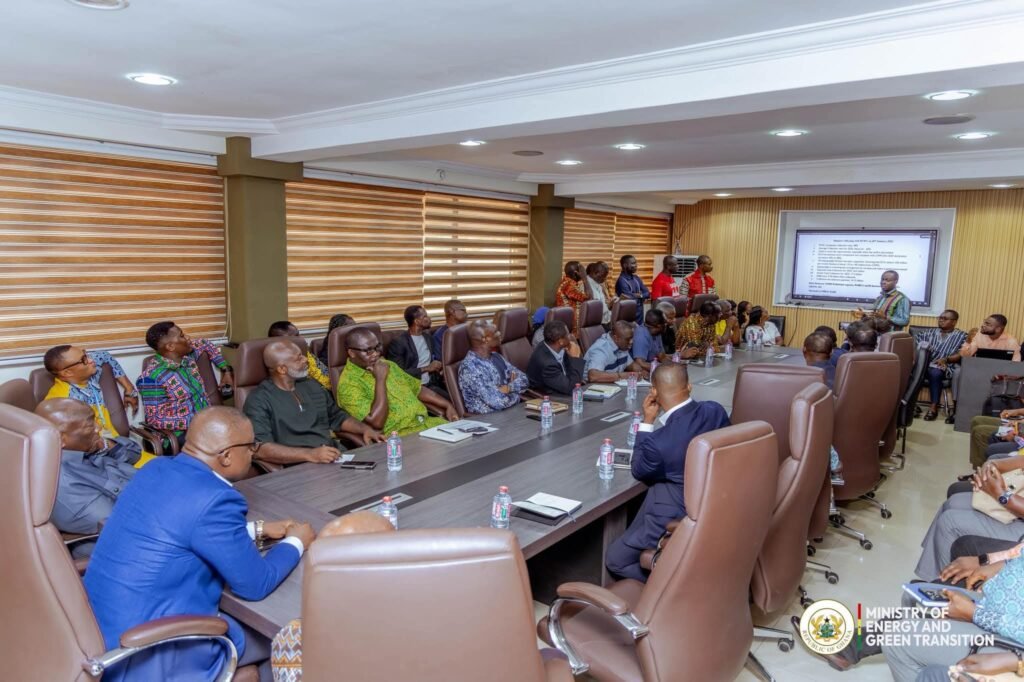
The issue of private sector participation in ECG and NEDCo remains a sensitive topic, particularly among labour unions concerned about job security and public ownership of critical national assets.
Dr Jinapor acknowledged these concerns and stressed that government’s approach is guided by the need to strengthen, not weaken, the power sector.
He said private sector involvement is being examined as one of several tools to improve efficiency, enhance service delivery, and reduce financial losses, rather than as an end in itself.
The minister emphasised that no decisions would be taken without careful consideration of data, stakeholder input, and the long-term national interest.
Dr Jinapor reaffirmed government’s resolve to confront the structural problems confronting the electricity distribution system, describing the sector as too important to fail.
“As a Government, we are fully committed to addressing these challenges comprehensively,” he said. According to him, reforms will be pursued in a way that safeguards public interest while ensuring that utilities are financially viable and operationally efficient.
He stressed that the ultimate goal of the reform agenda is to protect the integrity of the power sector and prevent disruptions that could undermine economic growth.
Ensuring Reliable Electricity Supply
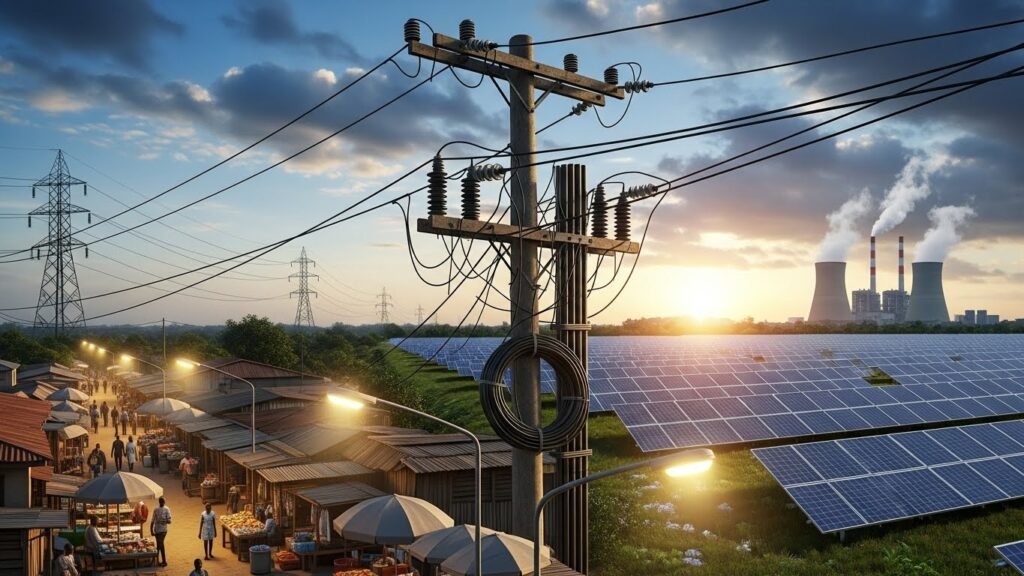
The Energy Minister said reliable and continuous electricity supply remains central to government policy, given its importance to households, businesses, and public services.
He noted that without strong distribution companies capable of collecting revenues efficiently, investments in generation and transmission would be unsustainable.
Dr Jinapor indicated that the discussions with organised labour and utility stakeholders would continue as government refines its approach to power sector reforms. He described the engagement as a foundation for building trust and consensus around difficult but necessary decisions.
Observers say the talks signal a more consultative approach by government at a time when the power sector is under pressure from rising costs, legacy debts, and operational inefficiencies.
As Ghana pursues its energy transition agenda alongside efforts to stabilise the power sector, the success of reforms in ECG and NEDCo will be critical. For now, government says it remains committed to dialogue, evidence-based policy, and reforms aimed at securing a reliable electricity future for the country.
READ ALSO: Frontier Market Struggles Threaten Ghana’s Economic Transformation Agenda