
The Chamber of Oil Marketing Companies (COMAC) has downplayed public surprise over the latest drop in fuel prices across the country, insisting that the reductions were long anticipated and consistent with trends in Ghana’s deregulated petroleum pricing regime.
According to the Chamber, oil marketing companies had been closely monitoring market indicators for weeks, making the recent price movements a predictable outcome rather than a sudden development.
Speaking on the issue, COMAC’s Chief Executive, Dr Riverson Oppong, said the Chamber had consistently projected a downward adjustment in fuel prices well before the reductions became visible at the pumps.
“If you listen to the Chamber’s position around the pricing regime that we’ve had, or we have in the industry, every two weeks, we published price outlook.
“There’s no doubt that for the past three to four windows, we’ve forecasted a lower or reduction in fuel price.”
Dr Riverson Oppong, COMAC’s Chief Executive
Dr Oppong explained that these outlooks are based on detailed assessments of key pricing variables, including global crude oil prices, refined product costs, exchange rate movements and other cost components that influence pump prices.
Industry Discipline and Compliance

The COMAC Chief Executive stressed that the price outcomes now being experienced by consumers reflect a high level of compliance and discipline among member companies.
“I can say publicly that all our members have adhered to it with the percentage of rates that we expect our members to reduce the fuel to what we are seeing today.”
Dr Riverson Oppong, COMAC’s Chief Executive
He said adherence to the forecast ranges demonstrates that the downstream petroleum sector remains largely predictable and structured, despite perceptions of chaos created by aggressive competition among some players.
Fuel prices in Ghana are adjusted every two weeks under a deregulated framework, where oil marketing companies are allowed to set prices based on market conditions.
This system takes into account global oil prices, foreign exchange movements, taxes and levies, as well as competition within the industry.
Over the past year, this framework has resulted in frequent price hikes, driven largely by depreciation of the cedi and volatility in international oil markets. These increases placed significant pressure on households and businesses, making the recent reductions a welcome relief for consumers.
Public Surprise and Speculation
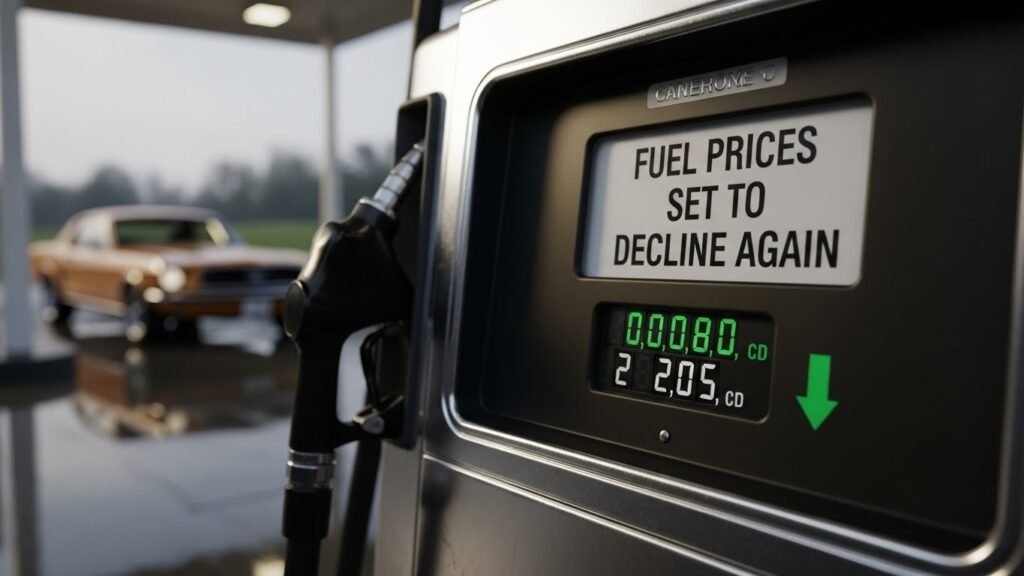
The sudden shift from persistent price increases to notable reductions sparked intense public debate, with many consumers questioning the timing and drivers behind the cuts. Some speculated that the reductions were politically motivated or the result of regulatory pressure.
Dr Oppong dismissed such claims, describing the price movements as a natural outcome of market forces under deregulation.
“What we are seeing today, I will say, was expected because if you are in a deregulated market where members challenging each other for the same customer, offtakers or whatever you want to put it, it is expected that there will be this kind of healthy, unhealthy war against each other.”
Dr Riverson Oppong, COMAC’s Chief Executive
His comments come amid heightened attention on aggressive price reductions by some major players, particularly GOIL and Star Oil.
Sharp price cuts by these companies have triggered reactions across the downstream petroleum sector, forcing competitors to respond quickly to avoid losing market share.
“Today, as you said in your prelims representation, there is the GOIL and Star Oil saga.
“Obviously, these are the tigers and the lions fighting, making the whole country messed up with too much noise around the topic.”
Dr Riverson Oppong, COMAC’s Chief Executive
Industry observers say the actions of these dominant players have intensified competition, compelling several smaller oil marketing companies to rapidly adjust their prices to retain customers.
Price War or Market Reality?
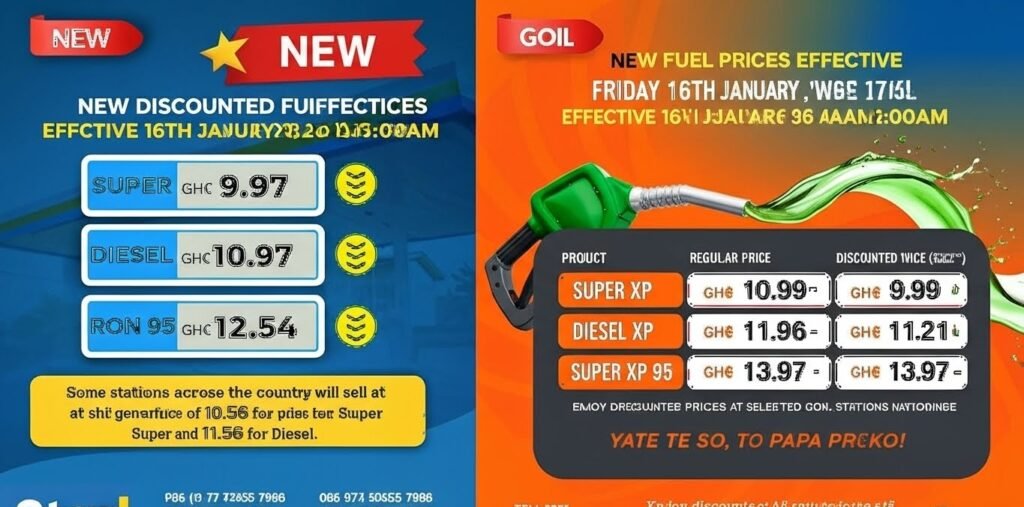
While some industry watchers describe the situation as a price war, COMAC maintains that the developments reflect the realities of a deregulated market rather than a breakdown of order.
According to the Chamber, price competition is an inherent feature of deregulation, especially when multiple players are vying for the same consumers.
COMAC insists that the recent price reductions align with pricing trends it has consistently communicated in its outlooks and should not be viewed as unusual or destabilising.
For consumers, the Chamber believes the current environment underscores the benefits of deregulation, where competition can lead to lower prices when market conditions allow. However, Dr Oppong cautioned that fuel prices remain sensitive to external factors and could rise again if global prices or exchange rate conditions deteriorate.
He urged consumers to understand that price movements, whether upward or downward, are part of a cyclical process shaped by both international and domestic economic forces.
As competition continues to play out across the petroleum retail space, COMAC says it will maintain its regular price outlooks to guide expectations and promote transparency.
The Chamber maintains that while the current price reductions are welcome, they should be seen as a reflection of market fundamentals rather than extraordinary intervention.
In COMAC’s view, the latest developments reaffirm that Ghana’s deregulated petroleum pricing regime is functioning as intended, allowing market forces to respond to changing conditions and, at times, deliver relief to consumers at the pump.
READ ALSO: GIPC Maps Out Central Region Investment Opportunities