Associate Professor of International Business and Management, Prof. Kweku Adams, has cautioned Ghana against replacing its economic dependence on Western countries with a similar reliance on Eastern powers as the government pursues BRICS partner-country status.
He stressed the need for the country to pursue an independent economic path, warning that closer ties with emerging Eastern economies should not come at the expense of genuine economic autonomy.
“Ghana should not exchange dependence on the West for dependence on the East,” he stated, accentuating the importance of diversifying the country’s economic partnerships rather than shifting its reliance from one group of foreign powers to another.
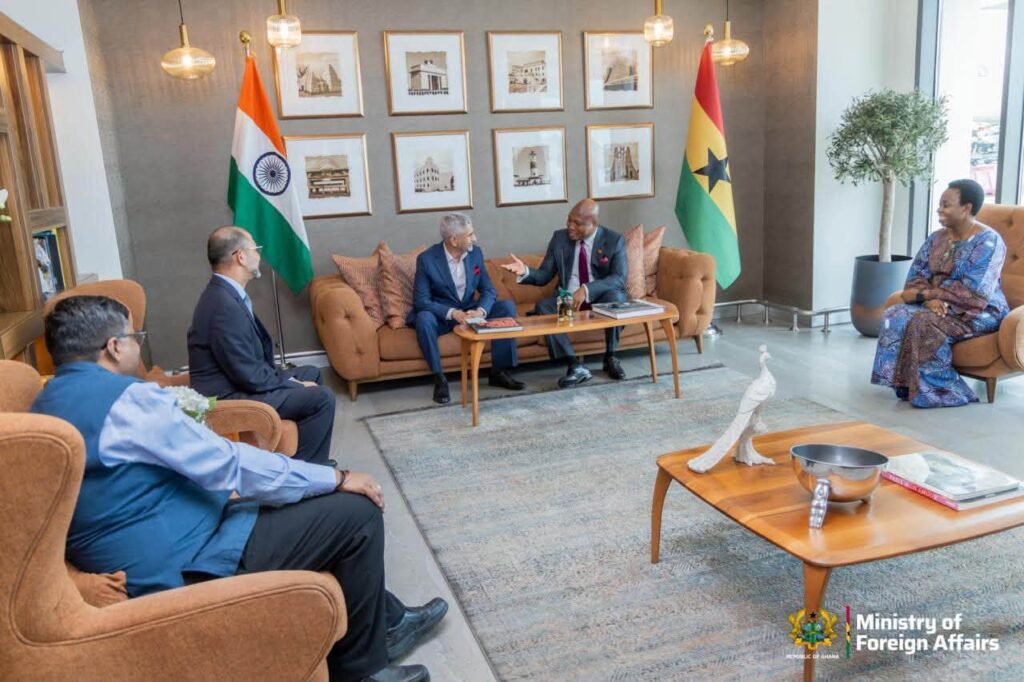
He argues that the initiative championed by Foreign Affairs Minister Honourable Samuel Okudzeto Ablakwa will only advance Ghana’s interests if the country strengthens its domestic productive capacity and negotiates international partnerships from a position of economic strength.
The academic acknowledged that closer engagement with Brazil, Russia, India, China and South Africa could widen Ghana’s diplomatic and economic options. However, he warned that the value of such partnerships would depend on the country’s ability to negotiate mutually beneficial arrangements instead of relying on external powers to supply its development needs.
“Genuine economic sovereignty must come from having choices and we haven’t been able to develop our capacity to exercise the choices that we have.”
Professor Kweku Adams
Prof Adams explained that Ghana’s longstanding foreign policy of non-alignment provides a useful foundation for engaging countries with different political and economic interests. He endorsed the gradual approach outlined by Honourable Okudzeto Ablakwa, who clarified that Ghana intends to apply for partner-country status rather than seek immediate full membership of BRICS.
Nevertheless, the Associate Professor stressed that “diplomatic diversification must not become an end in itself.” Ghana must scrutinise what each relationship contributes to its economy, ensuring that cooperation creates domestic value and strengthens the country’s capacity to make independent decisions.
He also questioned the tendency to celebrate international affiliations without examining their practical implications for ordinary citizens. In his view, the attraction of BRICS should be measured through tangible economic outcomes, including stronger local industries, employment opportunities and greater national control over productive resources.
Furthermore, Prof Adams warned that continued dependence on raw-material exports could leave Ghana vulnerable to the commercial priorities of more industrialised economies. If the country continues supplying resources while importing finished products, a change in diplomatic partners alone will do little to alter that imbalance.
Meanwhile, Foreign Affairs Minister Honourable Samuel Okudzeto Ablakwa has defended Ghana’s decision to pursue BRICS partner-country status, describing it as a strategy to diversify the country’s economic and diplomatic partnerships rather than abandon existing ones.
Academic Challenges Ghana To Build Industries Before Tapping BRICS Markets
While closer ties with BRICS could expand Ghana’s access to international markets, Prof. Kweku Adams, says the country must first demonstrate “its capacity to supply competitive goods and services to member economies.”
He questioned Ghana’s readiness to take advantage of the proposed partnership, arguing that diplomatic access would have limited economic value without strong domestic industries and businesses capable of meeting international demand. “What exactly do we have in Ghana to sell to them? Where are the industries? Where are the companies?” he asked.
Prof. Adams acknowledged that engagement with Brazil, Russia, India, China and South Africa could create opportunities for Ghanaian exporters and investors. However, he cautioned against assuming that closer diplomatic relations would automatically translate into increased trade, investment and employment.

He called for stronger support for businesses across all 16 regions, stressing that local enterprises need the “infrastructure, resources and institutional backing required to expand production and compete in international markets.”
Drawing lessons from China’s industrial development, the academic highlighted the importance of sustained investment in education, infrastructure and domestic enterprises. He urged Ghana to prioritise these foundations rather than focus predominantly on the diplomatic visibility associated with joining international groupings.
Without a deliberate effort to develop local industries, he warned, Ghana could continue supplying the raw materials that sustain foreign economies while importing their finished products, leaving existing trade imbalances largely unchanged.
He therefore called for closer alignment between government policy and private-sector development, with targeted support for businesses capable of expanding production, creating jobs and supplying international markets. In his assessment, Ghana needs competitive enterprises that can meet external demand, not merely diplomatic access to potential buyers.
The academic further cautioned against treating BRICS as a conventional free-trade bloc that automatically guarantees market access or commercial success. He said Ghana must identify realistic export opportunities, assess the requirements of individual partner markets and develop a coherent strategy for engaging each economy.
READ ALSO: APL Questions Gov’t Initial Decision to Grant Offshore Gold Licence