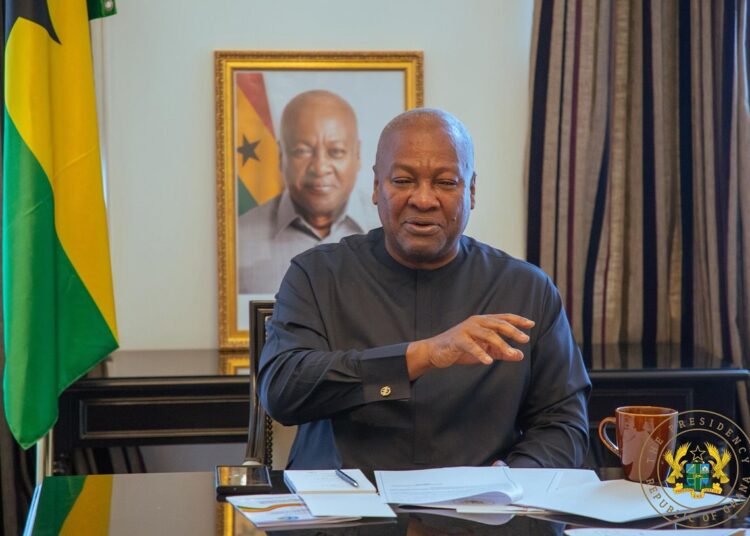
President John Dramani Mahama has put GH¢22.8 billion behind an integrated healthcare system that links the Free Primary Health Care Programme, the uncapped National Health Insurance Scheme (NHIS) and the Ghana Medical Trust Fund, known as MahamaCares.
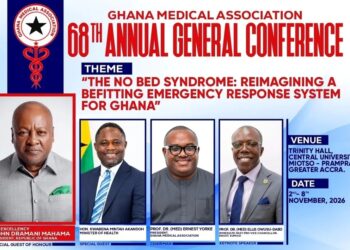
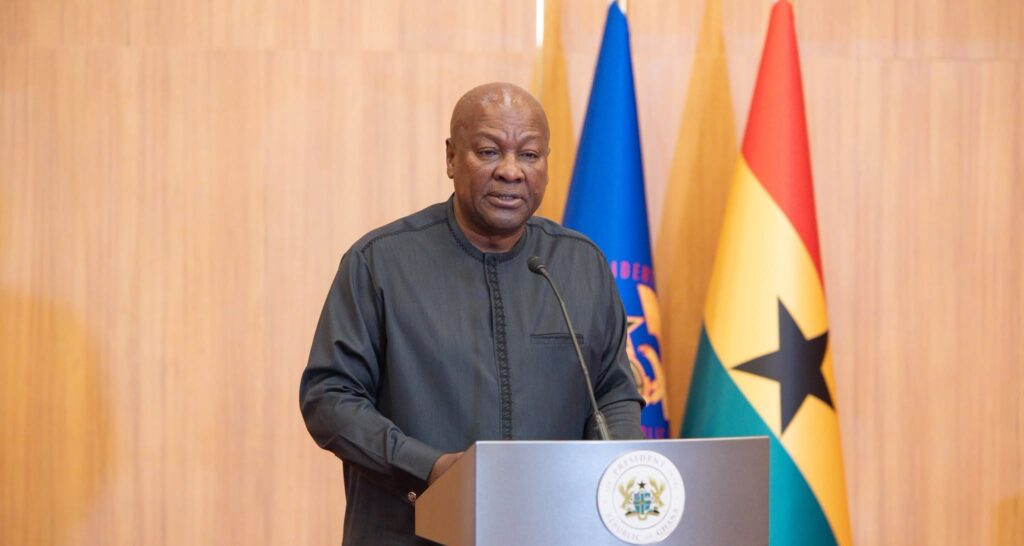
He outlined the plan at the 68th Annual General Conference of the Ghana Medical Association (GMA), where he explained how the three programmes should carry patients from early screening to specialised treatment.
“For this approach to work, facilities need reliable financing. The 2026 budget allocated approximately 22.8 billion cedis to the Ministry of Health and its agencies.”
President John Dramani Mahama
He also stressed that effective referrals, follow-up and stronger facilities must join the programmes, so that an early diagnosis leads to timely treatment and patients keep access to care as their needs change.
GH¢22.8 Billion Gives the Healthcare System Its Financial Base
President Mahama identified financing as a critical requirement for the new approach. The budget also provided transfers of approximately GH¢11.3 billion to the National Health Insurance Fund, including GH¢2.26 billion for the Ghana Medical Trust Fund. That fund traces back to an earlier MahamaCares allocation announced in 2025.

The President expects these resources to support the services and the healthcare workforce on which the system depends. He added a warning. Public funds must reach their intended purposes, so managers must handle them with care.
How Free Primary Care, NHIS and MahamaCares Connect
Each programme carries a distinct task. The Free Primary Health Care Programme, which President Mahama launched in April 2026, takes screening, early detection and treatment of selected conditions closer to communities.
Earlier detection should reduce the complications that end in emergency or specialised intervention. He also carried the message to the world body, where he touted the free healthcare revolution in his address.
The NHIS supports investigations and treatment at district level and above. The Ghana Medical Trust Fund then provides assistance for selected serious conditions that need specialised care beyond existing NHIS coverage.
“Together, these three programs are intended to provide a more reliable continuum of care. Effective referrals and follow-up must link them so that an early diagnosis leads to timely treatment and the patient can continue to receive care as their needs change.”
President John Dramani Mahama
By joining the three, the government wants patients to move from diagnosis to treatment without losing access as their conditions grow more complex. President Mahama added that stronger emergency departments and a better supported workforce must complement these measures.

He also highlighted faith-based and private facilities, particularly the Christian Health Association of Ghana, which takes part in the primary care programme. The Ministry of Health will keep working with these providers and the GMA to set clinical standards and practical arrangements across the system.
NHIS Reimbursements Improve as Mahama Warns Against Illegal Charges
Reimbursements have improved since the uncapping of the National Health Insurance Fund, the President noted. The National Health Insurance Authority now makes monthly payments for submitted and vetted provider claims, and services and tariffs have risen by 50 per cent since August 2026.
Recent coverage reported that NHIS uncapping freed GH¢4 billion for the health sector, and that government has paid GH¢2.1 billion in claims as active membership grows. More predictable payments help facilities buy supplies and sustain services, President Mahama explained. Protecting those gains, however, demands vigilance against fraud and waste.
He also raised concern about patients who pay extra fees despite presenting valid NHIS cards. Facilities that charge unauthorised fees for covered services will face action, he warned. The warning follows an earlier crackdown on illegal charges by the insurance authority.
MahamaCares Starts With Cancer and Specialised Care
The President turned to the country’s capacity to treat serious conditions at home. The Ghana Medical Trust Fund is beginning its support for selected serious conditions, starting with cancers, he disclosed. Specialised training and facilities must grow alongside it.
He cited the cardiac catheterisation laboratory he recently commissioned at Korle Bu Teaching Hospital as an example of expanding advanced cardiac care. Cardiology centres are also under construction at Komfo Anokye Teaching Hospital and Tamale Teaching Hospital.
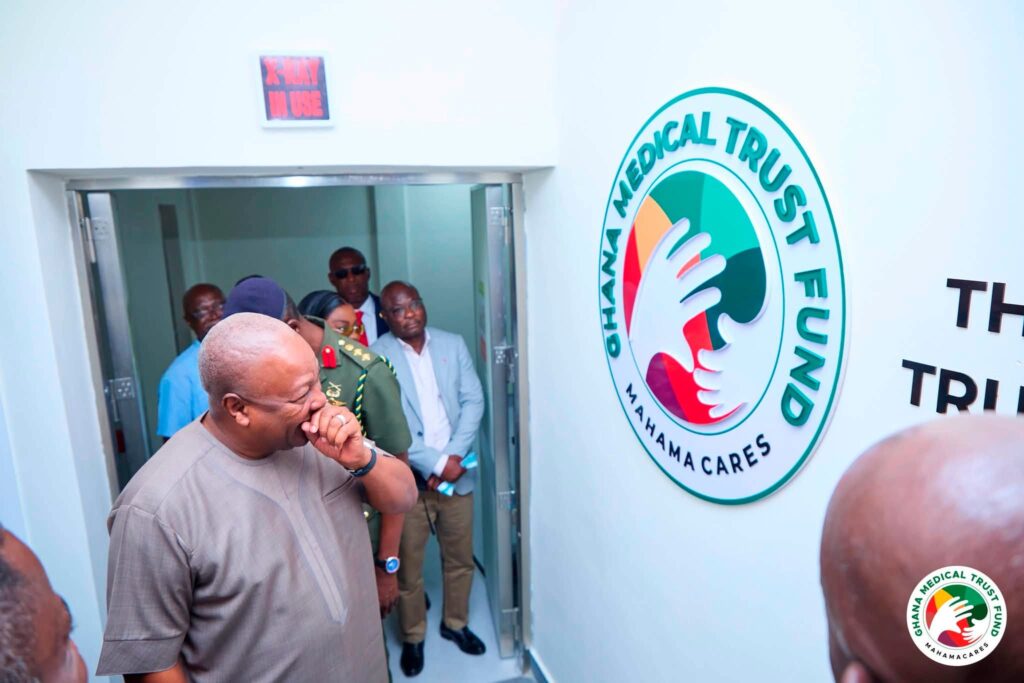
President Mahama tied these investments to gaps in access, recalling the loss of a medical doctor who could not reach a catheterisation laboratory. The government is also developing an organ transplantation framework, including a bill.
President Mahama named consent, donor protection, professional oversight and continuing patient care as issues needing careful attention, and he promised to draw on the expertise of the GMA and medical specialists.
Hospital Projects and Ambulances Put the Money to Work
The President outlined infrastructure meant to support the reforms. The contractor is expected back on site shortly to complete the 509-bed maternity and children’s block at Komfo Anokye, after work stalled during Ghana’s debt default and restructuring.
At Korle Bu, a contractor has mobilised for a new 400-bed maternity and children’s block, and President Mahama expressed concern about the condition of the existing facility. Other projects include the Ashanti Regional Hospital at Sewua, a Police Hospital expanded to 300 beds, and a planned 100-bed Tamale Police Hospital.
Government intends to complete the 160-bed La General Hospital next year and resume work on the Afari Military Hospital. Another 35 Agenda 111 hospital projects that are at least 70 per cent complete are being prepared for completion, subject to review of existing contracts.
Government is also procuring 100 new ambulances and plans to buy spare parts to return another 100 broken-down ambulances to service.
Accountability Decides Whether the Money Delivers
President Mahama maintained that implementation, transparency and cooperation among government, healthcare managers and medical professionals will determine success. He invited the GMA to assess what works, identify delays and recommend practical changes, particularly in emergency care, workforce deployment and the rollout of the new architecture.
Government must account for the resources it provides, he stressed, while hospital boards, managers and clinical teams must answer for how they use them. Patients and families deserve explanations and redress, and health professionals deserve due process and protection from patient abuse.
The test of the GH¢22.8 billion, then, is simple. Ghanaians must be able to depend on accessible, reliable medical services, and health professionals must receive the support to deliver quality care.
READ ALSO: TOR Makes Case For Refinery Expansion At ACEP Forum