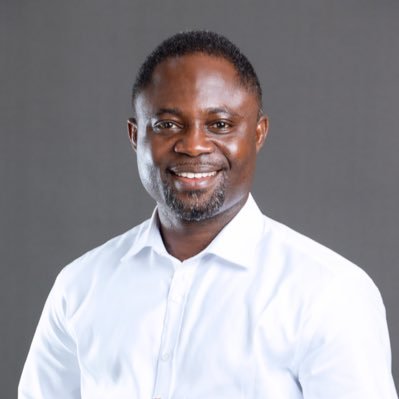
Ghana’s Health Minister, Hon. Kwabena Mintah Akandoh, has announced that active membership of the National Health Insurance Scheme (NHIS) has risen from 56.3% in 2024 to 70% as of August 2026, a jump of more than 13 percentage points in under two years.
In an interview taking stock of the sector’s performance, the Minister said GH¢2.1 billion in claims had been paid between January and September 2026. He attributed the gains largely to measures that have strengthened the scheme’s finances, chiefly the uncapping of the National Health Insurance Levy (NHIL), and said payments to healthcare providers had gone up by an average of 50%.
Hon. Akandoh described the growth in active membership as part of wider efforts to strengthen access to healthcare, setting out where the sector stands, what has been achieved and the work that remains.
Active membership, which counts those whose enrolment is current and who can therefore use the scheme, stood at 56.3% in 2024. By August 2026, it had reached 70%, according to the Minister.
“We took the NHIS from 57%; as I speak to you now, it’s about 70% in a matter of less than two years.”
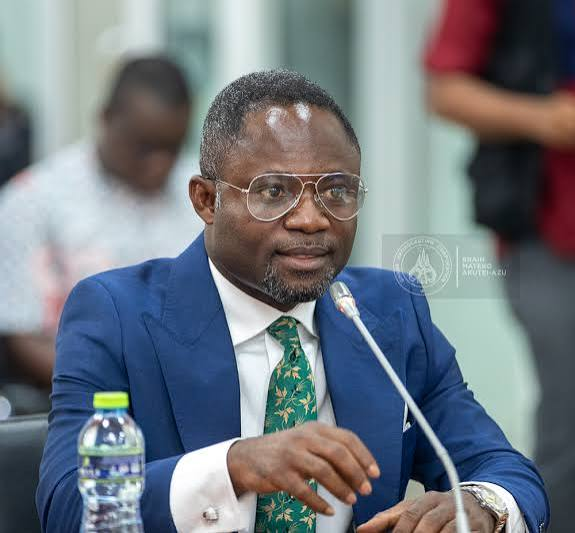
Ghana’s Health Minister, Hon. Kwabena Mintah Akandoh
Funding Boost Behind the Numbers
The Minister linked the progress to steps taken to improve the financial position of the NHIS, particularly the uncapping of the National Health Insurance Levy. He said the move had given the scheme additional resources to meet its obligations to healthcare providers.
The figures he cited show the scale of the shift. Revenue from the levy rose from GH¢6.52 billion in 2024 to GH¢9.76 billion in 2025. Put another way, funding for the scheme grew from about GH¢6.5 billion to about GH¢9.8 billion, an increase of roughly GH¢3.2 billion, or about half. That expansion, he said, is what made it possible to raise payments to providers.
Providers Receive Higher Payments
According to Hon. Akandoh, government has increased payments to healthcare providers by an average of 50 per cent. He explained that the increase is meant to address delays in the payment of claims and to improve access to healthcare for scheme members.
Claims payments sit at the centre of how the insurance model works. Hospitals, clinics and other facilities treat NHIS members and then submit claims to the scheme for reimbursement.
When payment is slow, the providers’ ability to buy supplies, retain staff and keep services running is strained. By speeding up and increasing payments, the Minister said, the scheme is better placed to keep providers serving beneficiaries.
He said GH¢2.1 billion had been paid in claims between January and September 2026, helping providers continue to serve members while reducing delays in claims payments.
Free Primary Healthcare and New Equipment
Hon. Akandoh also pointed to progress outside the scheme’s claims and membership figures. He said Free Primary Healthcare is now being delivered across 135 districts.
On infrastructure, he disclosed that 24,534 pieces of equipment have been procured to retool health facilities. The Minister did not say in the remarks available how the equipment would be distributed across regions or facility levels.
Taken together, the figures suggest that government is pursuing two goals at once. One is to widen financial protection through insurance. The other is to equip facilities to deliver care once patients walk through the door.
“Paying GH¢2.1 billion in NHIS claims demonstrates a continued commitment to accessible and sustainable healthcare for all Ghanaians.”
Health Minister, Hon. Kwabena Mintah Akandoh
What the Numbers Mean
A rise in active membership matters because the scheme is the main route through which many Ghanaians pay for care. A higher share of members with current enrolment means more people can walk into a facility and be treated without paying the full cost out of pocket.
Yet the figures also raise the stakes. As membership grows, so do the demands on the scheme’s finances and on the providers who deliver care. The Minister’s own explanation ties the two together, with higher levy revenue financing higher payments, which in turn are meant to keep providers willing and able to treat members.
Whether the gains hold will depend on how consistently the scheme pays claims, how well it manages a larger pool of members, and how far the new equipment and Free Primary Healthcare reach translate into care that people feel on the ground.

He framed the update as both a progress report and an acknowledgement that work remains. The ministry’s immediate task is to sustain the funding and payment gains already recorded, while continuing to widen coverage and strengthen facilities.
Analysts and stakeholders are likely to watch the next set of figures closely, particularly full-year claims payments, the pace of enrolment and the spread of Free Primary Healthcare beyond the current 135 districts.
READ MORE: FWSC Debunks Claims Teachers’ Salaries Will Be Deducted Over Strike