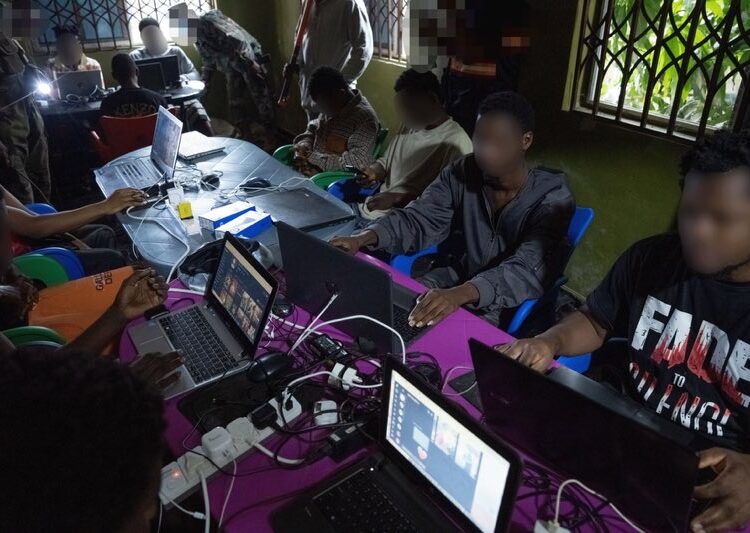
The Federal Bureau of Investigation (FBI) has intensified its global campaign against organised scam networks, with Ghana emerging as the latest location targeted under Operation Blackout.
In a post on X, FBI Director Kash Patel disclosed that a fresh operation in Ghana has so far identified nearly $10 million in losses and 89 victims linked to the investigation.
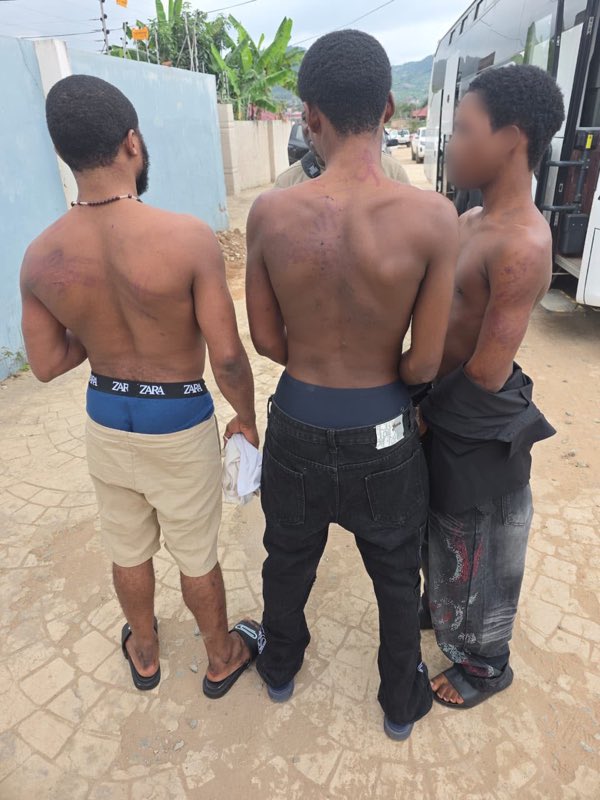
Furthermore, Mr Patel revealed that more than 130 individuals have been arrested or detained during the operation, with some identified as trafficking victims who are expected to be repatriated to their respective countries. He also disclosed that investigators have seized more than 300 devices as the inquiry remains ongoing.
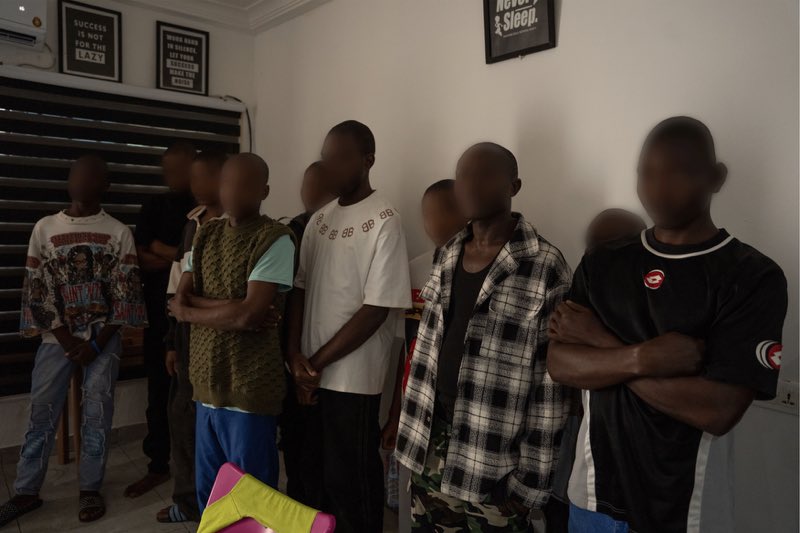
Describing the latest action as “another takedown this week out of Ghana”, the FBI Director outlined the scale of the operation while drawing attention to the international nature of the networks being pursued. He indicated that the compounds are designed to defraud American citizens while also involving the exploitation of people compelled to participate in fraudulent activities.
The FBI Director stated that, “these scam compounds target American citizens and destroy lives,” while emphasising the agency’s determination to pursue such networks across jurisdictions. He added that the bureau would continue its operations against scam centres located in different parts of the world.
According to Mr Patel, Operation Blackout has developed into a wider international enforcement campaign aimed at dismantling scam compounds and disrupting the criminal structures behind them. The latest Ghana operation therefore forms part of a campaign that the FBI says has generated significant seizures, arrests and interventions against fraud networks.
Providing an update on the campaign, Mr Patel added that approximately $17 billion has been seized through Operation Blackout so far. He also reported that hundreds of alleged scammers have been arrested, while thousands of trafficked workers had been freed from scam compounds.
Furthermore, the campaign has focused on preventing American citizens from becoming victims before financial losses occur. Mr Patel reported that more than 10,000 Americans have been warned before losing their money, with estimated losses of $670 million prevented through the initiative.
The figures underline the FBI’s increasing focus on scam centres as a transnational criminal threat involving financial fraud, human trafficking and digital infrastructure. The bureau has previously described cryptocurrency investment fraud as one of the most damaging forms of fraud affecting Americans, with organised groups operating from compounds across several regions.
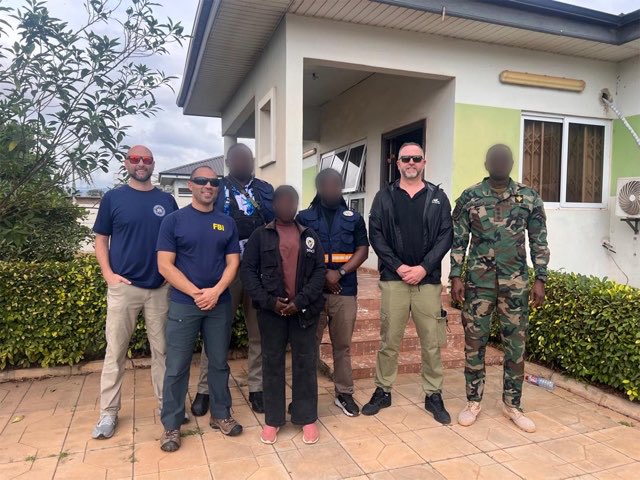
Meanwhile, the FBI has stressed that its response relies heavily on international partnerships because many of the networks operate outside US jurisdiction. Director Patel previously explained that the bureau works with law enforcement partners across countries to locate fraudsters, recover illicit proceeds and assist people forced to work within scam compounds.
Ghana Fraud Cases Deepen FBI International Enforcement Push
Recent prosecutions involving Ghanaian nationals have highlighted the expanding cooperation between Ghanaian authorities and the United States in tackling international fraud. Several cases before US courts in 2026 have involved investigations, arrests and extradition proceedings supported by the FBI’s Legal Attaché office in Accra and Ghanaian law enforcement agencies.
One prominent case involved Ghanaian national Frederick Kumi, also known as Abu Trica, who was extradited from Ghana to the United States in July 2026 to face allegations connected to a romance fraud network. US prosecutors allege that the network targeted more than 80 elderly victims and caused losses exceeding $8 million.
The case illustrates how online fraud investigations can move across borders, requiring cooperation between agencies in the country where suspects are located and authorities in the jurisdiction where victims suffer financial losses. According to the US Department of Justice, Kumi was arrested in Ghana in December 2025 before being extradited to the United States.
Similarly, another Ghanaian national, Emmanuel Gyasi, was sentenced in March 2026 to two years in prison after pleading guilty to conspiracy to commit wire fraud. US prosecutors established that the scheme involved a fictitious online identity used to develop a relationship with a victim before extracting approximately $1.1 million through false claims concerning an inheritance.
The FBI Washington Field Office investigated that case, demonstrating the bureau’s involvement in pursuing fraud networks whose activities can involve suspects, victims and financial transfers spread across multiple countries. The prosecution also reinforces the extent to which romance fraud has become a recurring focus of US law enforcement.
Another case involved Ghanaian national Van Yeboah, who pleaded guilty to participating in romance scams that prosecutors linked to more than $10 million in stolen funds. The US Department of Justice credited the FBI with investigative work and acknowledged assistance from Ghana and the Justice Department’s Office of International Affairs.
Beyond individual prosecutions, the cooperation extends to cases involving financial crimes connected to Ghanaian officials. In August 2026, the US Department of Justice disclosed that the FBI was investigating a case involving a former banker convicted over a scheme to bribe Ghanaian officials, with the FBI’s Legal Attaché in Accra working alongside Ghanaian authorities.
These cases point to a sustained law enforcement relationship centred on information sharing, extradition, financial investigations and prosecution. They also demonstrate how the FBI’s international fraud strategy increasingly depends on cooperation with local institutions when alleged criminal activity crosses national borders.