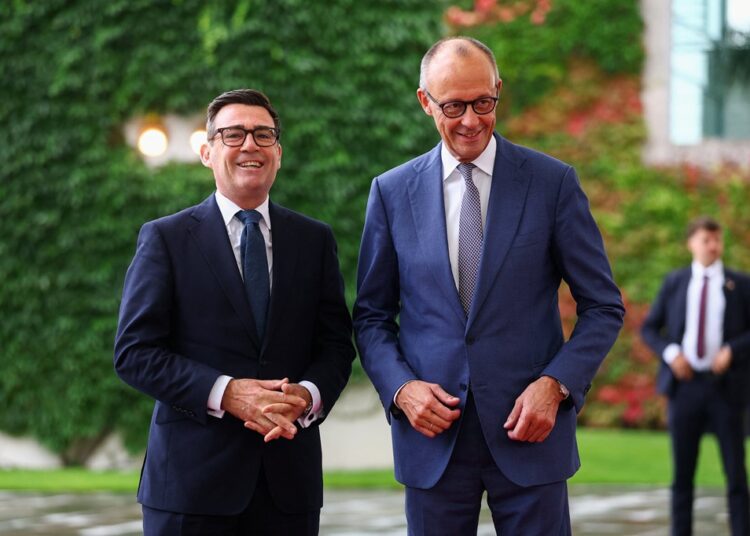
Prime Minister Andy Burnham has used his first in-person meeting with German Chancellor Friedrich Merz to pursue closer security, economic and diplomatic ties between UK and Germany.
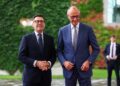
Andy Burnham arrived at the German Federal Chancellery for talks with Friedrich Merz, where the two leaders formally ratified the Kensington Treaty, a bilateral agreement designed to deepen cooperation between Britain and Germany across defence, security, science, technology and economic growth.
The meeting also marked Burnham’s first visit to Germany since becoming Prime Minister.
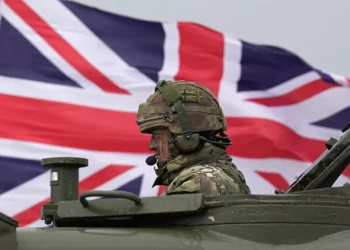
The partnership places greater emphasis on joint action against cyberattacks, sabotage and other forms of hybrid activity, areas in which the British government has identified Russia as a particular concern.
UK and Germany will share intelligence and coordinate measures aimed at detecting and disrupting hostile activity, alongside efforts to strengthen critical infrastructure.
“Attacks on our infrastructure, our businesses and our democracies are not a distant threat. They reach into people’s homes and workplaces, and they are designed to make us weaker and more divided.
“Britain and Germany are joining forces to find, expose and disrupt this activity. Security and growth go hand in hand, and both must be felt in every town and city in our two countries.”
Andy Burnham
Moreover, Germany’s growing concerns over sabotage and espionage provide an important backdrop to the security discussions. An explosives-carrying drone was found near Ukrainian cargo planes at Leipzig airport in August, with German authorities connecting the incident to a wider pattern of Russian hybrid operations. Moscow denies involvement.
The two governments are expected to discuss support for Ukraine, instability in the Middle East and disruptions to international trade routes, including risks affecting the Strait of Hormuz.
The Kensington Treaty provides the wider institutional framework for that cooperation. Signed in July last year, the agreement formally enters into force following the exchange of ratification documents in Berlin, marking a new phase in bilateral relations between the two countries.
Burnham Opens Door to German Role in GCAP
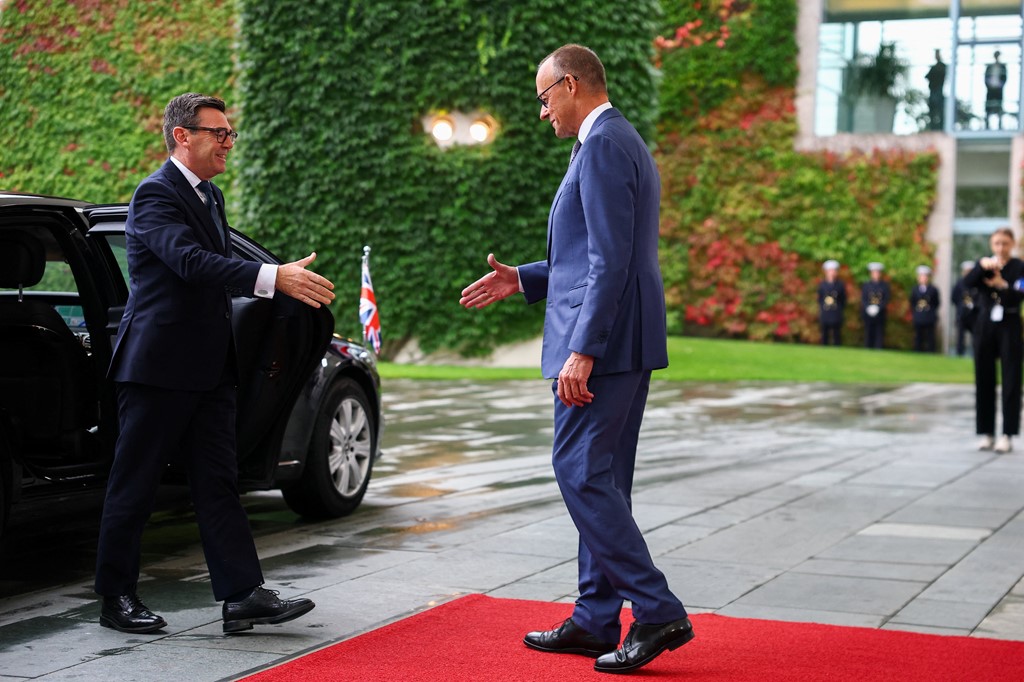
The security discussions produced a significant defence development, with Burnham confirming that Britain is open to Germany joining the Global Combat Air Programme, or GCAP, the multinational project aimed at developing a next-generation fighter aircraft.
GCAP currently brings together the UK, Italy and Japan, with the three countries working towards an operational next-generation combat aircraft by 2035. Germany’s potential involvement would expand the European dimension of the programme at a time when Berlin is reassessing its defence-industrial partnerships.
Burnham raised the possibility directly with Merz during their discussions, presenting German participation as an area where Britain could work with its existing partners to strengthen the programme.
“We are talking today about defence collaboration, and I’ve indicated to the chancellor in our discussion, prior to this, our openness to Germany joining GCAP, the next generation of fighter aircraft. That is something that we seek to progress in the coming period, working with our other partners, Italy and Japan, in relation to that as well.”
Andy Burnham
Germany’s possible role in GCAP has gained greater attention following the breakdown of the Franco-German Future Combat Air System project. Berlin also has an established defence-industrial relationship with Britain and Italy through the Eurofighter Typhoon programme, alongside a recent increase in defence spending in response to Europe’s evolving security landscape.
Germany’s entry could provide the programme with an additional industrial and financial partner, although questions remain over how any expanded membership would affect the project’s development timetable and the balance among its existing participants.
Burnham Pushes UK Closer to Europe
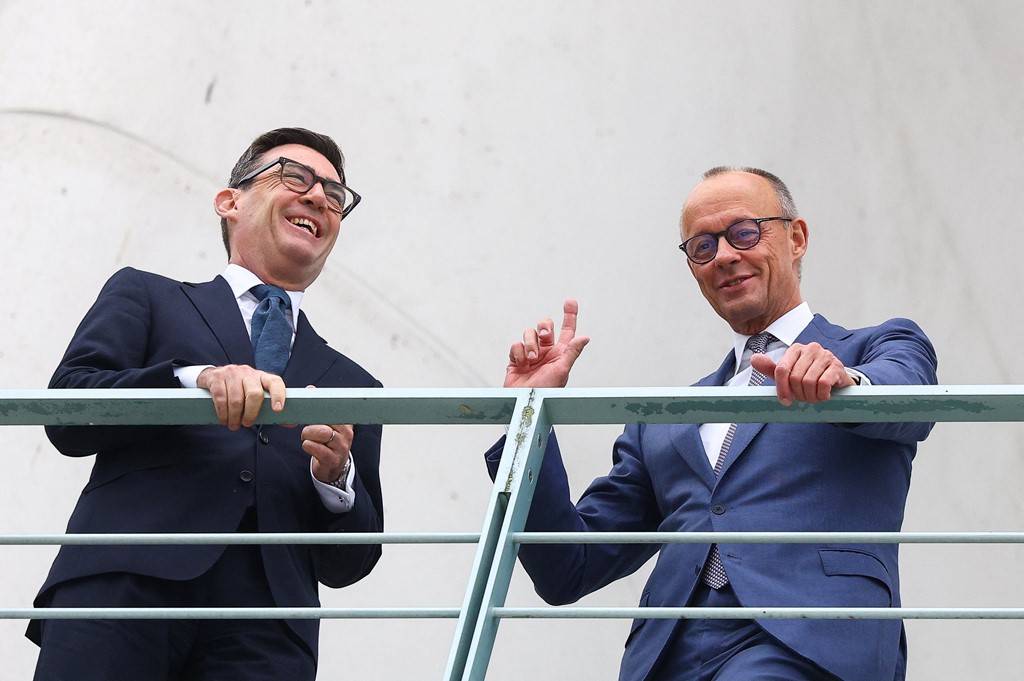
The Berlin meeting also carried significance beyond defence, as Burnham used his discussions with Merz to signal his government’s interest in rebuilding Britain’s relationship with Europe following Brexit.
Speaking alongside the German Chancellor, Burnham described Britain and Germany as “stronger together” and explained that their discussions would extend from security into technology, economic partnerships and growth.
He also looked ahead to the forthcoming UK-EU summit, expressing hope that the meeting would help “bring the UK closer to Europe.”
Burnham identified economic growth and immigration as areas where he wanted greater alignment between Britain and its European neighbours.
Meanwhile, Burnham has previously argued that Brexit harmed UK economic growth and that Britain should consider a closer relationship with its largest trading market.
READ ALSO: South Korea To Recall Ukraine Ambassador