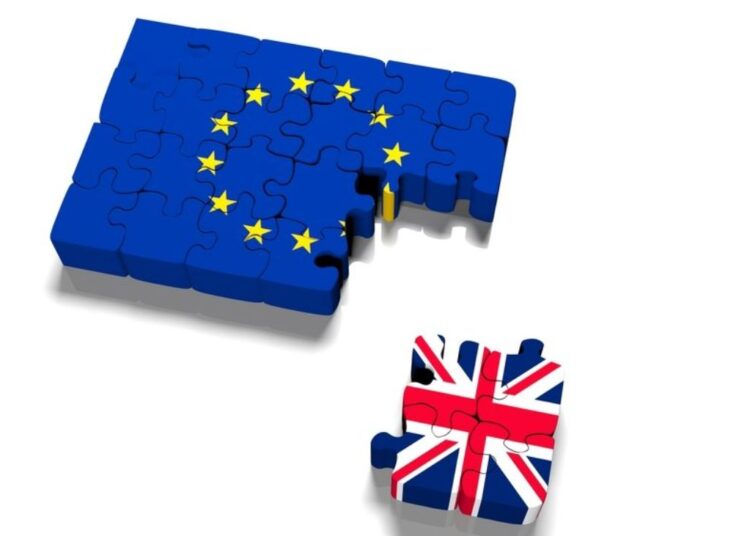
Britain’s future relationship with the European Union has gained renewed attention after a large-scale poll found almost half of UK voters backing a return to the bloc.
The survey, conducted by the Messina Group among 11,461 UK adults between 12 and 24 September, found that 49% supported rejoining the EU, compared with 28.5% who opposed the idea.
The findings place renewed pressure on the government as Prime Minister Andy Burnham considers how far Britain should go in rebuilding its relationship with the bloc.
The findings also indicate that support for closer relations with Brussels extends beyond outright EU membership. Almost half of those surveyed, 48.2%, backed retaining the existing relationship while cutting as many trade barriers as possible, while 47.1% supported membership of a customs union.
The survey further found that 25.9% of respondents wanted Britain to rejoin the EU immediately. Another 22.9% supported rejoining within three years, while 8.4% preferred a return to the bloc over the next decade.
Also, almost one-third of respondents indicated that an in-out referendum would be necessary before UK rejoins, while more than one in six believed a general election mandate would be sufficient. A similar proportion considered parliamentary approval sufficient.
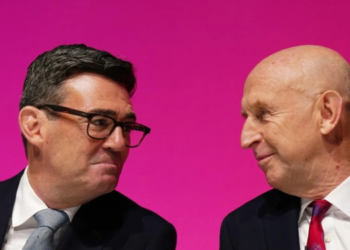
The political significance of the poll has grown alongside Burnham’s increasingly open discussion of Britain’s relationship with the EU. During his first Labour Party conference speech, Andy Burnham argued that Brexit had “more harm than good” and pledged to set out the available options around the time of a UK-EU summit expected in November.
Burnham’s argument centres on exploring Britain’s relationship with Europe before considering any question of another public vote. “This isn’t about leaping to a referendum,” he stated, calling instead for the government to assess the potential benefits and implications of closer relations with Brussels.
At the same time, he has not ruled out a referendum or a future commitment to rejoin the bloc. Burnham noted that if public opinion is “pointing towards” re-entry support, Labour could consider including a referendum commitment in its next election manifesto.
He has also declined to completely rule out fighting the next general election on a promise to rejoin the EU without holding a separate referendum.
That possibility has brought the Brexit question back into the centre of Britain’s domestic political discourse, nearly a decade after voters chose to leave the bloc in the 2016 referendum.
Labour Faces Reform UK Challenge Over EU

Renewed attention to Britain’s European relationship is creating another point of tension between Labour and Reform UK, led by Nigel Farage, who was among the most prominent figures campaigning for Brexit before the 2016 vote.
Farage has criticised Burnham’s willingness to consider closer ties with Brussels, describing the decision to reopen the Brexit debate as a “very big political mistake.”
He has also argued that Burnham’s position conflicts with Labour’s support for greater devolution of political power within the UK.
“This is the pro-devolution Prime Minister. To even consider rejoining the single market, the customs union, let alone the European Union itself, is the opposite of devolution a massive transfer of huge powers up to an authority, whereby there’s nothing Parliament could do to change any of it. So I find the whole thing totally contradictory.”
Nigel Farage
Farage warned that Burnham had “opened the door to Reform in the most extraordinary way” by promising to examine Britain’s future relationship with the EU.
Meanwhile, according to the poll’s modelling, renegotiating Britain’s relationship with the EU could increase Labour’s vote share by as much as seven percentage points.
The analysis found that, across scenarios involving closer ties with Brussels, most of the additional Labour support would come from voters who currently support the Greens and Liberal Democrats.
The survey’s findings indicate that voters are considering these different aspects separately, rather than necessarily treating EU membership as the only route to closer cooperation.
At the same time, the results should be understood within the limitations of polling. The survey captures the views of respondents during a specific period, and public attitudes can change as political parties develop their policies and voters assess the practical consequences of different proposals.
The findings nevertheless provide a fresh measure of the political environment in which Burnham is considering Britain’s next stage of relations with Brussels.
READ ALSO: Cedi Weakens Amid Elevated External Payment Pressures