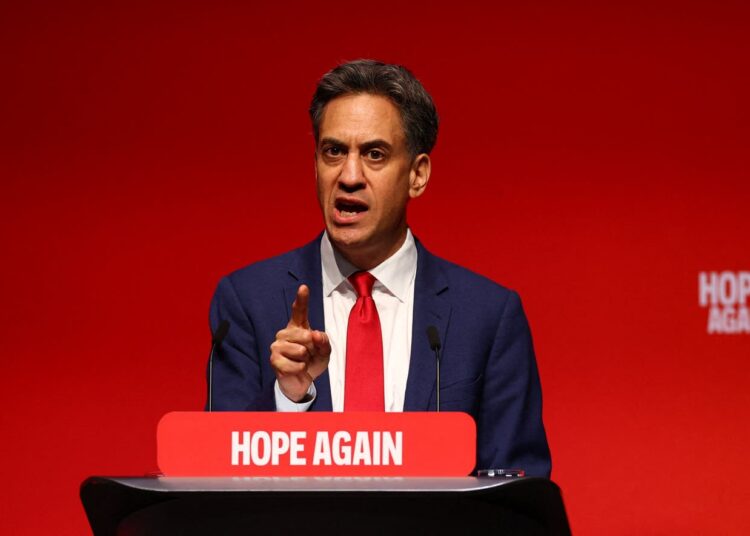
British Foreign Secretary, Ed Miliband, has called for a “stronger and deeper” relationship between the United Kingdom and the European Union, arguing that Britain’s future security, economic interests and international influence depend on closer cooperation with its European neighbours.
Addressing the Labour Party conference, Miliband urged the government to approach foreign policy as “proud Europeans” presenting closer engagement with the bloc as central to how Britain should respond to a changing international environment.
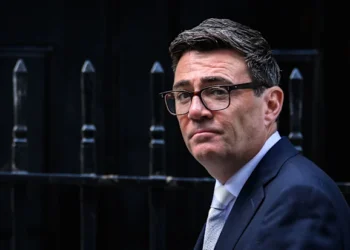
Prime Minister Andy Burnham has promised to set out a “new direction” for Britain, arguing that the country has experienced too much political division and economic drift since Brexit.
Although Burnham has not committed to seeking Britain’s full return to the European Union, he has declined to rule out the possibility of including rejoining the bloc in a future Labour election manifesto.
His intervention adds to questions about how far Labour intends to take its efforts to rebuild ties with Brussels, without explicitly making the case for Britain to return to the EU.
“This is our continent, and if there is one lesson that I have seen demonstrated to me again and again in this job, it is this: Europe is not just our geography, but so much more. It is how we pursue our values from climate to the Middle East. It’s how we pursue our interests from trade to defence. It’s where we build and protect our alliances, so it is not simply Britain acting alone, but Britain with others.”
Ed Miliband
For Miliband, cooperation with European partners is increasingly important as Britain confronts challenges ranging from Russia’s war in Europe and pressure on democratic institutions to climate change, artificial intelligence and conflicts in the Middle East.
Britain formally left the European Union in January 2020, ending decades of institutional integration with the bloc. While UK has retained close economic, security and diplomatic links with European countries, Brexit has fundamentally altered the terms under which Britain participates in European policymaking and trade.
The question of whether those arrangements should be strengthened has gained renewed attention as economic assessments continue to examine the consequences of the UK’s departure.
The Institute for Public Policy Research has estimated that Britain loses £6.5 billion a year in exports because of the lack of mutual recognition arrangements with the EU.
Against this backdrop, Miliband’s call for deeper engagement with Europe places economic cooperation alongside defence, climate policy and international diplomacy.
This also comes amid calls from senior Labour figures for a more fundamental reconsideration of the UK’s post-Brexit position.
Former Labour Prime Minister Sir Tony Blair has urged the government to commit to re-entering the European Union within the next decade, calling for a “new approach” to Britain’s post-Brexit relationship with the bloc.
Burnham, meanwhile, has sought to position his government as moving beyond the political divisions that followed the Brexit referendum.
“We have had a decade since Brexit, and it has been a decade of too much drift and too much division. We need to draw a line on that. We need to set out a new direction for the country and I will set that out on Tuesday. From that comes the hope. People able to have hope again that things will improve, that life will get better, and it will.”
Andy Burnham
The government’s approach could therefore involve strengthening cooperation with the EU without immediately reopening the question of full membership.
Britain Rethinks Its Foreign-Policy Approach
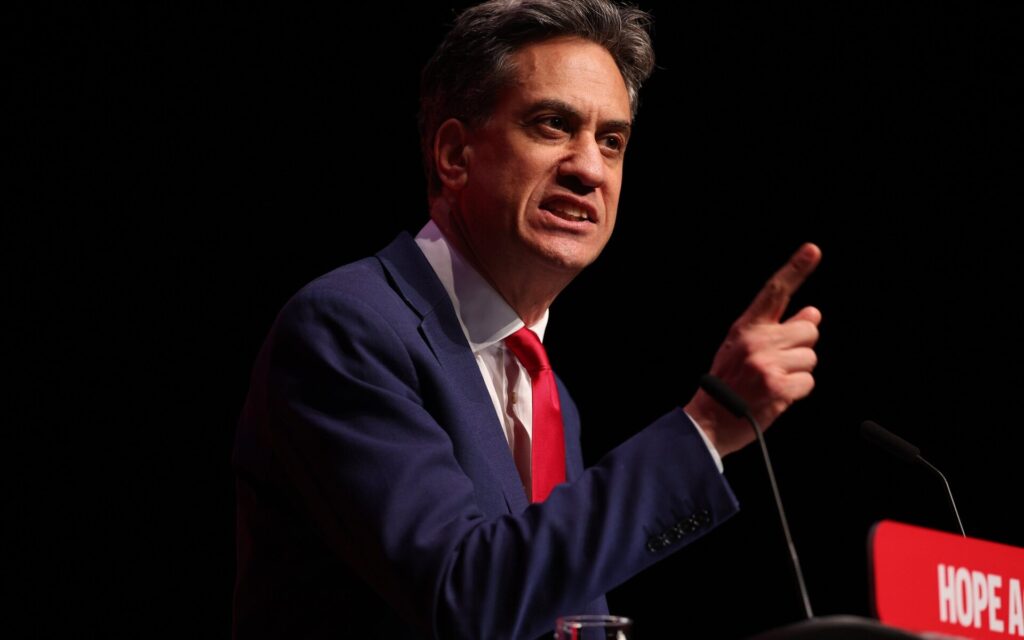
The Foreign Secretary argued that Britain’s foreign policy choices must be understood against a changing global landscape, where war, pressure on democratic institutions and disputes over international law are disrupting the established international order.
“We need to be honest about the world we confront. War has returned to Europe, democratic norms are under threat as they haven’t been for generations, the international rule of law is being brazenly flouted.”
Ed Miliband
He argued that Britain should respond by defending democratic institutions, human rights and the rule of law, presenting those principles not only as matters of values but also as foundations for Britain’s long-term security and prosperity.
“New threats have emerged from the climate crisis to AI. There is only one response to these challenges to fight for our values, the values my parents saw in Britain, values which today are more important than ever. Fighting for those values of democracy, the rule of law, protection for rights and freedoms is essential to tackle injustice and suffering.”
Ed Miliband
He added, “but hear me well when I say this. It is also the only way to fight for our interests because it is the real route to stability in the world and therefore peace and prosperity.”
Moreover, the Foreign Secretary used the conference speech to intensify the government’s criticism of Israel’s conduct in Gaza and the West Bank, accusing the government of Prime Minister Benjamin Netanyahu of causing widespread harm to Palestinians.
“This party will always recognise the threats Israel faces and stand emphatically against those who seek its destruction. But this cannot justify the harm the Netanyahu government has inflicted in Gaza and the West Bank.”
Ed Miliband
He added, “this suffering is a stain on the conscience on the world and I want to say to the millions of people in this country and indeed elsewhere who have been moved and outraged by the plight of the Palestinian people: we hear you. You were right.”
Miliband then linked the government’s position to the measures Britain has taken against Israeli settlement activity and its wider approach to the conflict.
“Under Andy’s leadership we have reset our approach. We call out ethnic cleansing by the settler terrorists in the West Bank. We call out the evidence of war crimes in Gaza. We call out Israel’s illegal occupation of Palestine and we match words with action.”
Ed Miliband
Miliband also used his speech to address another increasingly important component of Britain’s international strategy: artificial intelligence.
The Foreign Secretary warned against allowing technology companies to determine the rules governing AI without sufficient government oversight, arguing that the rapid development of the technology creates risks that extend beyond commercial interests.
“The technological progress offered by AI, as we see in our daily lives, is inspiring. But the threat it poses, according to its own inventors, is daunting. Now, some are calling for us to act, but other tech companies are saying we should leave it all to them. But friends, the lesson of history is that we cannot leave it to corporations to put in place the guardrails to serve the public interest.”
Ed Miliband
He added, “It is neither their purpose nor their motive. Theirs is to maximise profit. We cannot and will not allow that to come at the expense of our children or indeed humanity.”
Miliband noted that Britain would use its G20 presidency next year to lead international efforts to manage the risks associated with AI.
READ ALSO: Mancini “Unconcerned” Manchester City Found Guilty of Financial Breaches