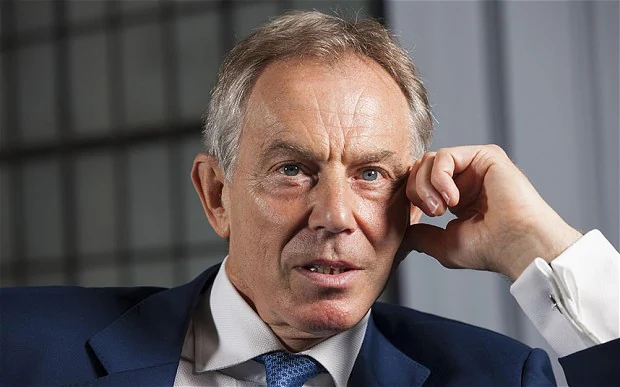
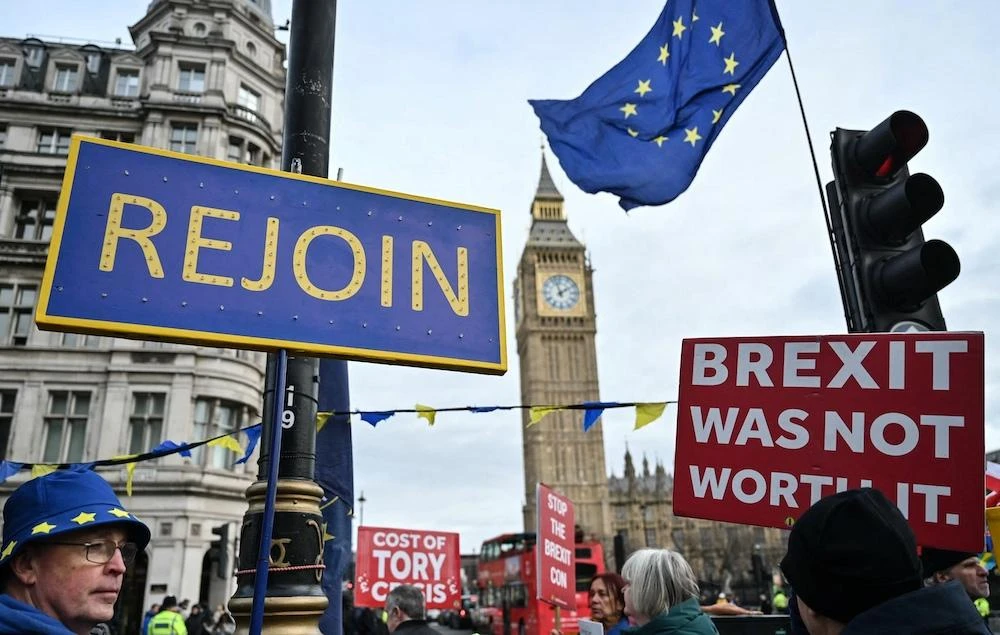
Former British Prime Minister Sir Tony Blair has called on Prime Minister Andy Burnham to commit Britain to rejoining the European Union, arguing that the country should pursue a structured return to a reformed bloc rather than continue with incremental changes to its post-Brexit arrangements.
Blair’s intervention places renewed pressure on the Labour government to define the long-term direction of Britain’s relationship with Europe, only days after Burnham declined to rule out a future commitment to EU membership.
The former Labour Prime Minister has called for a significant rethink of the approach adopted since Britain left the bloc, arguing that closer cooperation should not simply involve restoring selected elements of the pre-Brexit relationship.
Instead, his think tank, the Tony Blair Institute (TBI) has proposed a staged strategy that would allow Britain to deepen cooperation with European countries on defence, energy, technology and trade while working towards possible EU membership within 10 years.
The proposal forms part of a report Beyond Leave and Remain: A Path to Rejoining a Reformed Europe, which argues that Britain should seek to influence reforms within the EU while preparing for a possible return to the bloc.
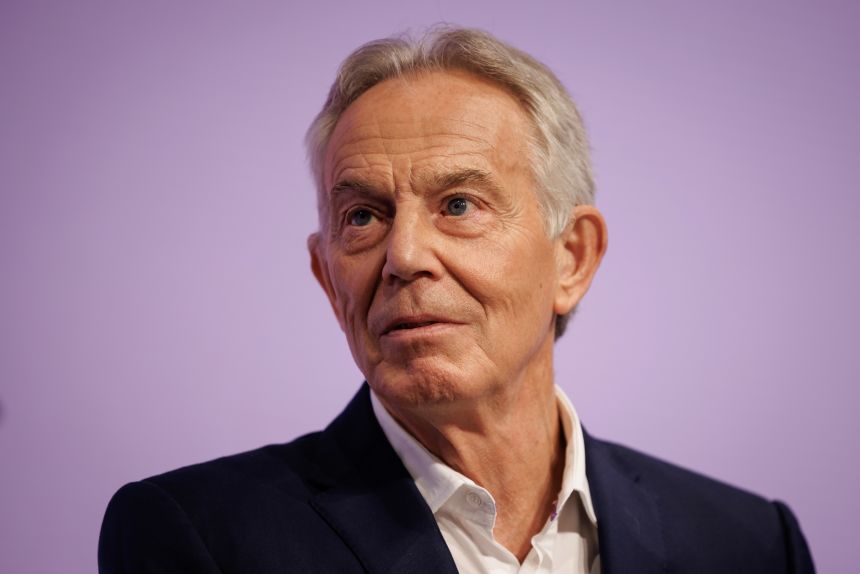
According to Tony Blair, “We should be clear that we want back into a formal relationship with the EU. But it must be a Europe on a credible path to reform, a Europe of nation states, a Europe capable of being a genuine global power.”
The proposal marks a departure from the approach associated with the current government’s existing Brexit red lines, which have ruled out rejoining the EU, the single market and the customs union.
Blair’s argument is that Britain should not simply seek to reverse the 2016 decision on the same terms that existed before Brexit. Instead, he wants Britain to use the prospect of renewed membership to push for changes within the European project, particularly around competitiveness, defence, energy and technology.
The TBI report argues that Britain could play a leading role in strengthening Europe’s collective capabilities while establishing a clear political objective of returning to the EU, subject to reforms within the bloc.
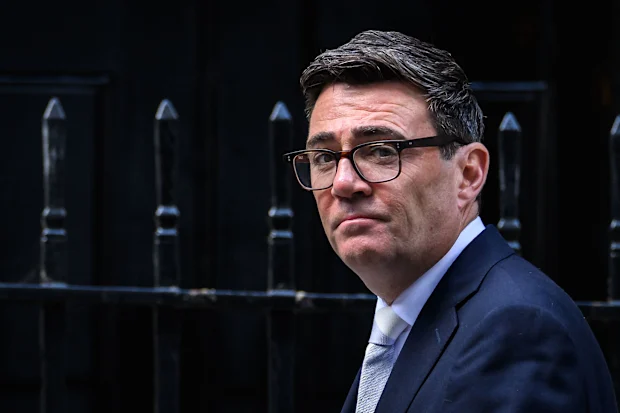
The recommendation comes as Britain’s relationship with the EU remains under renewed political scrutiny, with Parliament preparing for a major debate on rejoining the bloc on 12 October.
A letter-writing campaign coordinated by the European Movement UK in support of the petition behind the parliamentary debate has passed 20,000 signatures, adding to the public mobilisation around the question of Britain’s long-term European alignment.
Recent developments have also placed greater attention on the economic consequences of the country’s current trading arrangements with the EU. A new analysis from the Institute for Public Policy Research (IPPR) estimates that UK goods exports to the EU could have been between £3.7 billion and £6.5 billion higher annually from 2021 to 2024 if Britain had secured a mutual recognition agreement covering product testing and certification.
The research attributes the estimated losses to the additional testing and certification requirements facing some British products entering EU markets after Brexit.
A New European Strategy Takes Shape
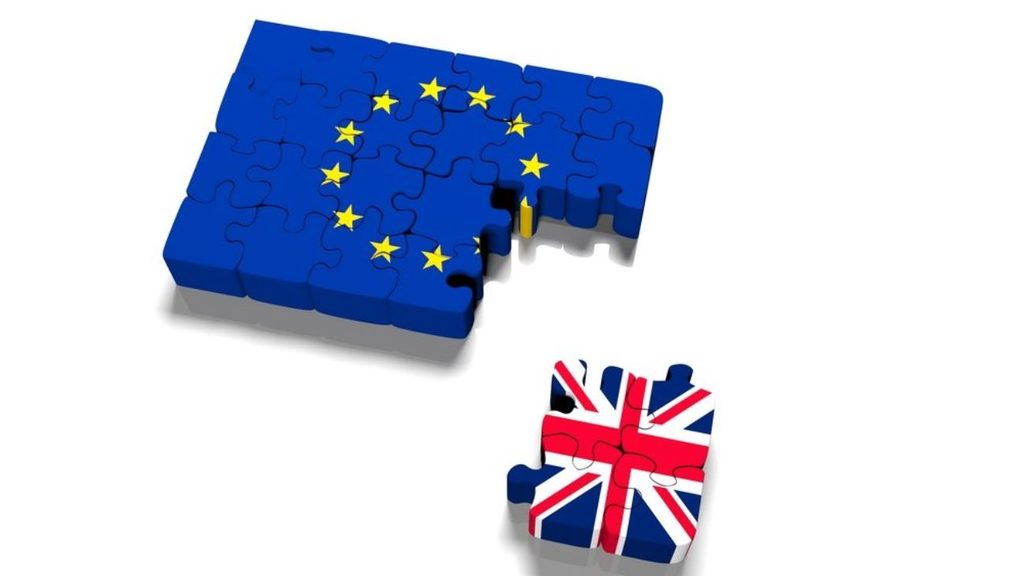
The TBI proposal extends beyond trade by placing defence, energy and emerging technologies at the centre of a potential new relationship between Britain and Europe.
One recommendation involves Britain joining the EU’s €150 billion SAFE defence fund, while another proposes a European Energy Security Partnership that would position the North Sea as a shared energy hub.
The report also proposes reconnecting Britain to EU electricity markets, which it estimates could save British consumers up to £370 million a year.
Cooperation on artificial intelligence and frontier technologies, including quantum computing, also features in the proposed framework.
Tone Langengen, Director of the Tony Blair Institute and author of the report, framed the proposal around a changing global balance of power.
“Europe reorganised itself around peace after the Second World War, and around integration after the Cold War. Now it must reorganise around the condition of today power.
“Countries are competing to secure the capabilities that will underpin influence in the 21st century. Britain should help lead that shift, building up its power in defence, energy and technology, working with Europe as an equal partner, not refighting the arguments of 2016.”
Tone Langengen
The report also proposes giving greater practical purpose to the European Political Community, arguing that it could become a mechanism for countries to coordinate on major strategic projects rather than primarily serving as a forum for political dialogue.
Meanwhile, during his trip to New York, Burnham declined to rule out including a commitment to seek EU membership in Labour’s next manifesto, describing the issue as one “for another day” while placing current attention on a planned UK-EU summit and closer cooperation.
READ ALSO: US, UK And Denmark Back Ghana’s Reparatory Justice Drive, Says Ablakwa