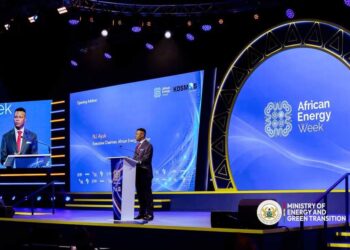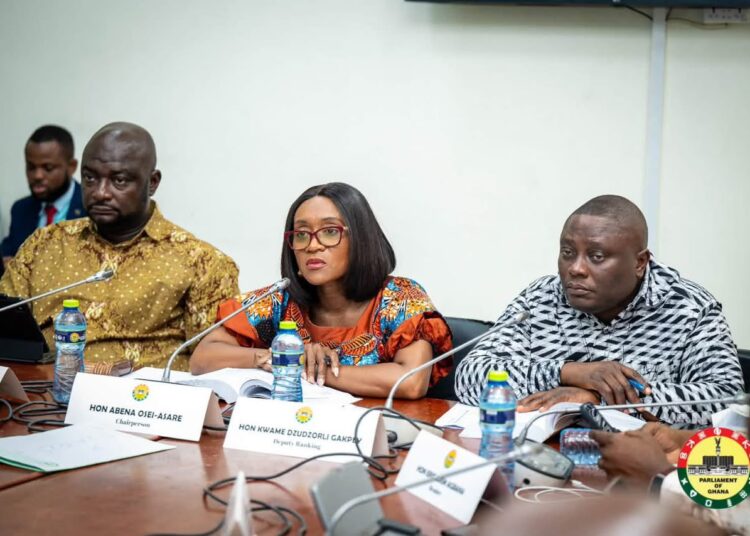
Ghana’s energy-sector institutions have outlined measures to address irregularities identified in the 2025 audit, with responses ranging from the Ghana National Petroleum Corporation’s (GNPC) gas supply constraints to the Electricity Company of Ghana’s (ECG) suspension of payments under an uneconomic vehicle lease agreement.
The responses, presented by departments and agencies under the Ministry of Energy, also cover payment controls, fraud prevention, outstanding debts and contract management.
While some institutions reported corrective action, others highlighted operational plans or were asked to provide further clarification to Parliament.
The findings raise a broader question about how effectively energy-sector institutions are managing public resources, controlling expenditure and addressing weaknesses that can affect their financial sustainability.
GNPC Links Gas Challenges to Low Domestic Production
GNPC cited inadequate domestic gas production and imports from Nigeria as factors affecting its operations, while outlining plans to increase production, explore local investment opportunities to reduce costs and consider ventures in the mining sector.
The corporation’s response highlights a continuing operational challenge: when domestic gas supplies are insufficient, imports become necessary to meet demand.
The extent of the resulting financial pressure, however, cannot be established from the available information because no import volumes, costs or domestic production figures were provided.
GNPC’s proposed production increases could help address the supply constraint, but the impact will depend on whether planned investments translate into additional output at commercially viable costs.
Its intention to explore mining-sector ventures also raises questions about how investment diversification would support its core petroleum mandate and contribute to its financial position.
The corporation’s response points to the need to assess not only the measures agencies announce but also their capacity to deliver measurable operational improvements.
ECG Suspends Lease Payments as Revenue Measures Continue
The Electricity Company of Ghana reported that it suspended payments throughout 2025 under a vehicle lease agreement it considered uneconomic, while also citing improvements in revenue mobilisation.
The decision to halt payments raises questions about the agreement’s original financial terms, the liabilities involved and the implications of suspending payments.
The available summary does not establish the value of the contract or whether the suspension resolved the underlying concerns.
The issue is particularly relevant to ECG because its financial performance depends in part on collecting revenue from electricity sales while meeting the costs associated with distributing power.
Improved revenue mobilisation can strengthen cash flow, but the scale and sustainability of the reported gains remain unclear without supporting figures.
ECG’s response therefore presents two separate accountability tests: whether its revenue improvements can be quantified and sustained, and whether the concerns surrounding the vehicle lease have been resolved beyond the suspension of payments.
Energy Commission Reports Stronger Payment Controls
The Energy Commission cited improved payment controls and fraud prevention measures, alongside efforts to recover outstanding debts and manage retirees’ medical bills.
The measures address different financial and administrative pressures. Stronger controls can reduce the risk of improper payments, while fraud prevention and debt recovery can help protect institutional resources.
Managing retirees’ medical obligations also requires adequate oversight to ensure that liabilities are handled transparently.
“The Energy Commission cited improvements in payment controls and fraud prevention, alongside efforts to recover outstanding debts and manage retirees’ medical bills.”
These measures are important, but their effectiveness cannot be assessed from the description alone.
The audit response does not provide the value of outstanding debts, the amount recovered or evidence showing whether the revised controls have reduced irregular payments.
The distinction matters because introducing controls is not the same as demonstrating that they work. Clear reporting on implementation and outcomes would allow oversight bodies to determine whether the measures have addressed the weaknesses identified.
BOST Corrects Contract Overpayment
The Bulk Oil Storage and Transportation Company Limited (BOST) reported that it had corrected a contract overpayment, indicating that remedial action had been taken on the issue.
However, the available information does not disclose the amount involved, the circumstances that led to the overpayment or the specific steps taken to prevent a recurrence.
Those details matter because correcting an individual payment does not automatically address weaknesses in procurement, contract administration or payment verification.
The effectiveness of the response will depend partly on whether the underlying cause has been identified and whether safeguards have been strengthened.
The Volta River Authority (VRA), Bui Power Authority and Petroleum Hub Development Corporation also responded to their respective audit concerns.
The summary does not specify the findings against these institutions or provide enough detail to assess the adequacy of their corrective measures.
Valco Trust Fund Faces Further Parliamentary Scrutiny
The Valco Trust Fund was directed to reappear before the Public Accounts Committee (PAC) on Monday to provide further clarification.
The instruction suggests that additional explanations are required, although the available information does not identify the specific questions the fund must address or the outstanding issues under consideration.
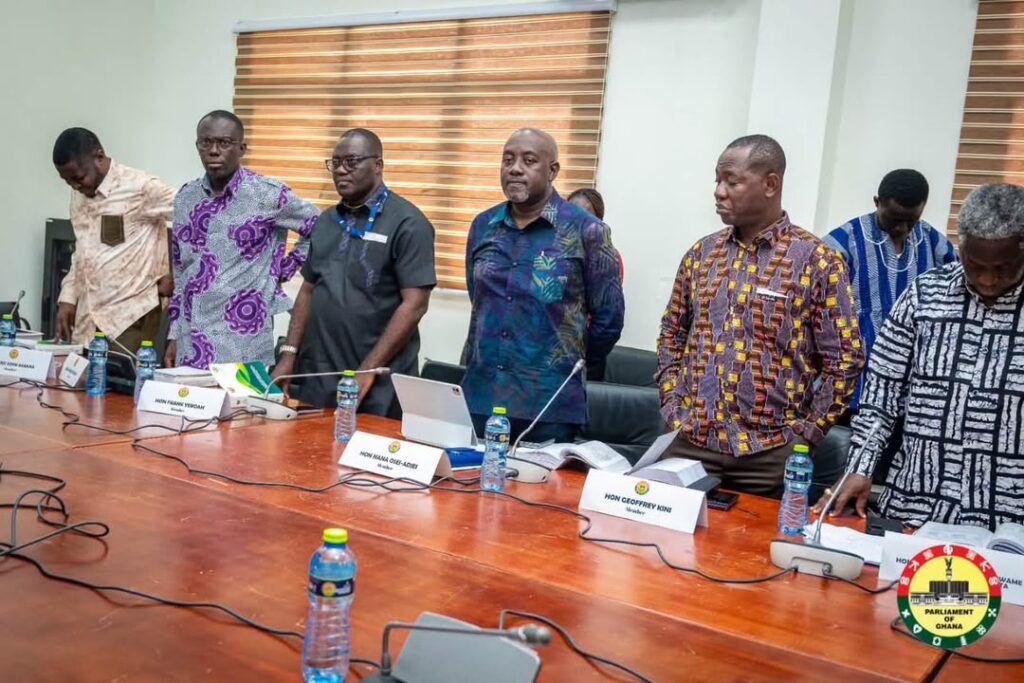
The further appearance places the fund’s response within the broader process of parliamentary scrutiny of public-sector financial management.
Such scrutiny is important where audit findings require clarification or where initial explanations do not fully resolve concerns.
For the energy sector, the significance of the process lies in whether agencies can provide clear accounts of identified irregularities and demonstrate that corrective measures have been implemented.
Audit Responses Must Produce Measurable Results
The agencies’ responses point to a range of issues across Ghana’s energy institutions, from gas supply constraints and revenue collection to contract payments and internal financial controls.
They also show why audit accountability cannot be reduced to whether an institution has submitted an explanation.
GNPC’s production plans, ECG’s reported revenue gains and the Energy Commission’s control measures will need to be assessed against verifiable outcomes.
BOST’s correction of an overpayment similarly leaves questions about the cause of the error and the safeguards introduced to prevent a recurrence.
The information available does not provide the full audit findings, the amounts involved in the individual cases or detailed evidence of implementation across all the agencies.
It would therefore be premature to conclude that every concern has been fully resolved.
Ultimately, the test for the Ministry of Energy and its agencies is whether their responses translate into stronger financial discipline, improved operational efficiency and fewer recurring irregularities.
For institutions responsible for critical energy infrastructure and services, these outcomes matter not only for compliance but also for the effective use of public resources and the sector’s long-term financial sustainability.
READ ALSO: Ghana Records Over 5,000 Breast Cancer Cases Annually