Government through Ghana Investment Promotion Authority (GIPA) has urged international investors to consider exploring untapped minerals resources i.e bauxite, diamond, lithium, etc.
GIPA Deputy CEO Mr. Abdul Razak Baba and Head of Aftercare and Investor Grievance Mr. Charles Opoku Mensah signaled an aggressive national push to diversify foreign capital beyond traditional bullion extraction into strategic industrial and transition minerals.
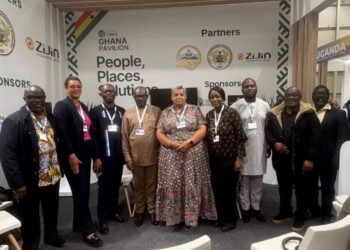
Their presence at the high-level bilateral forum underscored Accra’s commitment to steering international mining partners toward long-term industrial collaboration, regulatory discipline, and broad-based resource development rather than narrow, raw-ore exports.
“Discussions focused on promoting responsible mining through modern technology, strict compliance with mining laws, environmental restoration and local value addition. Investors were also encouraged to explore opportunities in minerals beyond gold, including bauxite, diamonds and lithium.”
Ghana Investment Promotion Authority (GIPA)
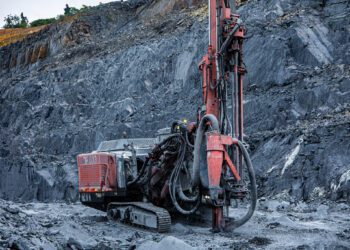
During the summit, engagements centered on reshaping the operational standard of Ghana’s extractive sector through modern extraction technologies, strict adherence to national mining laws, ecological reclamation, and domestic value addition.
By actively pitching opportunities in bauxite, diamonds, and lithium alongside established bullion operations, the delegation sought to position the country as a competitive, multi-mineral destination capable of anchoring regional manufacturing supply chains while resolving investor bottlenecks through proactive aftercare mechanisms.
Breaking the Monoculture of Bullion Dependency
For decades, Ghana’s extractive identity has been overwhelmingly tied to gold, leaving public revenues and foreign exchange earnings exposed to cyclical commodity swings and raw-export leakage.
While recent fiscal reforms and sliding-scale royalty reviews have bolstered state receipts from precious metals, policymakers recognize that shipping unprocessed ores abroad forfeits the highest-value segments of the global mineral supply chain.
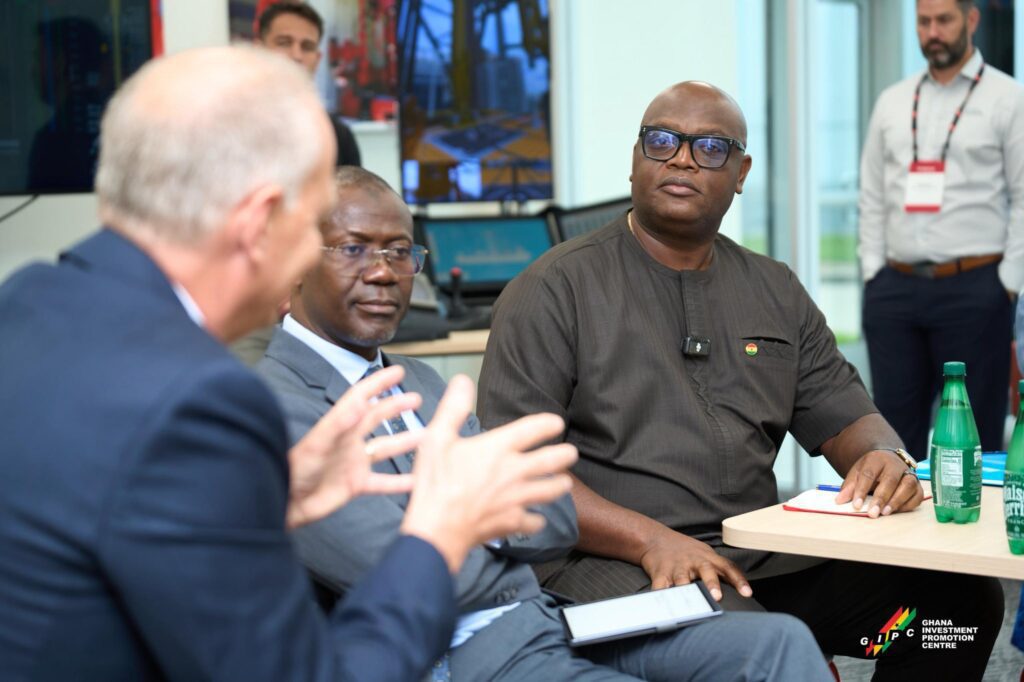
As Presidential Advisor on the Economy Seth Terkper noted during the summit deliberations, domestic processing and local capital mobilization remain essential to maximizing sovereign returns from natural endowments.
Expanding the investment frontier into lithium, bauxite, and diamonds directly addresses this structural vulnerability while aligning Ghana with the global energy transition.
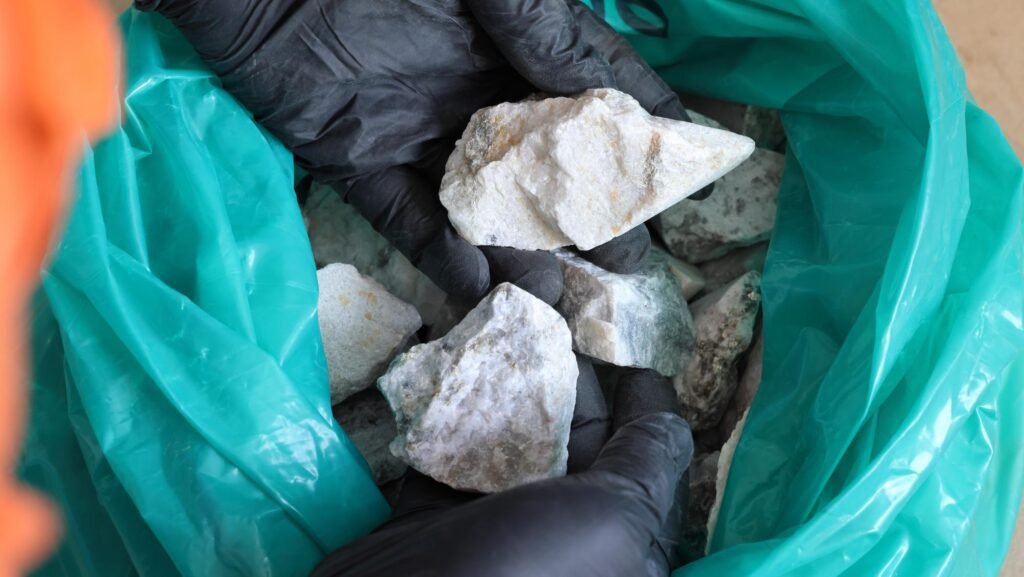
Lithium deposits in the Central Region, alongside extensive bauxite reserves in the Western North and Eastern regions, offer foundational inputs for battery manufacturing, green technologies, and integrated aluminum production.
Ghana Chamber of Mines President Ing. Frederick Attakumah observed at the forum that international participation in strategic minerals and lithium reflects deepening confidence in the country’s geological portfolio.
However, unlocking these assets requires patient capital, specialized metallurgical infrastructure, and transparent investor protection precisely the institutional bridge that GIPA’s leadership, led by Mr. Baba and Mr. Mensah, emphasized to prospective financiers.
Enforcing Ecological Discipline and Legal Compliance
Accelerating mineral diversification cannot come at the expense of environmental degradation or regulatory laxity.
Across Ghana’s mineral belts, illegal and unregulated mining has scarred water bodies, degraded forest reserves, and strained community trust, prompting intensified state enforcement and sector-wide scrutiny.
Consequently, the summit placed firm emphasis on pairing foreign capital inflows with clean extraction technologies, enforceable land reclamation standards, and rigorous statutory compliance.
Industry leaders and regulators at the gathering reiterated that next-generation partnerships must uphold Ghana’s environmental and legal frameworks from exploration through mine closure.
By integrating aftercare and grievance resolution directly into its investment promotion pitch, GIPA signaled that compliant operators will receive structured institutional backing to navigate licensing, community relations, and operational hurdles, whereas disregard for domestic mining laws will face strict enforcement.
This dual approach aims to attract responsible tier-one enterprises capable of deploying low-impact processing technologies and rehabilitating mined-out lands.
Cultivating Local Expertise Through Talent Development
A central pillar of sustainable value addition is ensuring that Ghanaian citizens possess the technical capacity to lead, manage, and service modern mining operations.
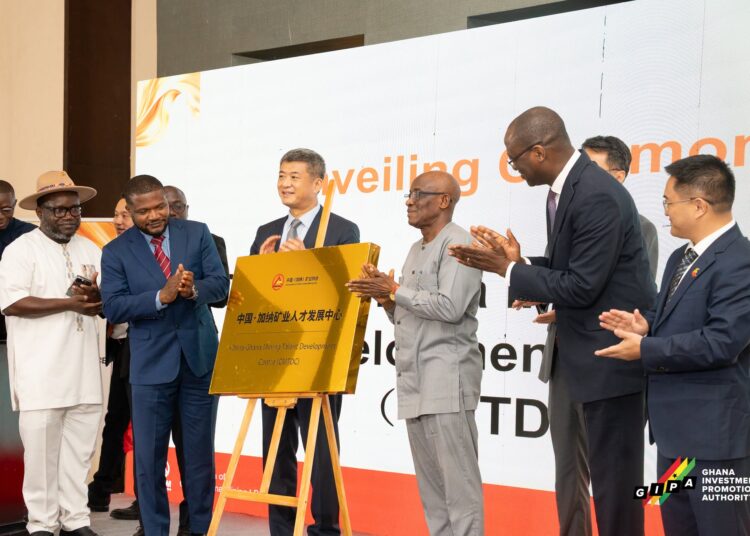
A key highlight of the 9 November summit was the unveiling of the China-Ghana Mining Talent Development Centre, a specialized institution dedicated to equipping young people in mining communities with practical, industry-aligned technical skills.
Designed to bridge the gap between foreign technological transfer and domestic workforce readiness, the centre will provide targeted training across modern mine engineering, equipment maintenance, environmental management, and mineral processing.
Rather than confining host-community youth to peripheral, low-wage labor, the initiative seeks to embed local expertise across the entire extractive value chain.
As Mr. Baba and Mr. Mensah underscored through their participation, coupling strategic mineral diversification with structured youth capacity building ensures that Ghana’s untapped wealth beneath the soil translates into durable industrial capability, empowered communities, and shared national prosperity above it.
READ ALSO: New Trailer Drops for ‘Children of Blood and Bone’