
The Minister of Roads and Highways, Kwame Governs Agbodza, has directed the Ghana Highway Authority (GHA) to establish bitumen testing facilities in the Greater Accra, Ashanti and Northern Regions as part of efforts to strengthen quality assurance in road construction.
The proposed facilities are expected to improve contractors’ access to laboratory testing services, ensure that bitumen used for road projects meets prescribed quality standards and reduce potential delays associated with material testing. The directive follows concerns over inadequate bitumen supply raised by road contractors during the Minister’s recent inspection of ongoing projects under the government’s Big Push Infrastructure Programme.
Bitumen, a petroleum-based binding material used in asphalt production, is essential to road surfacing and pavement construction. Its quality and performance directly influence the durability, strength and resistance of roads to traffic and changing weather conditions.
Addressing a meeting with bitumen suppliers in Ghana, Hon. Agbodza emphasised the need for stronger coordination across the supply chain to ensure that contractors have access to sufficient quantities of the material to sustain construction activities.
Regional Testing Facilities To Strengthen Quality Control
The establishment of testing facilities across the three regions is expected to decentralise access to essential laboratory services and improve the monitoring of construction materials used on road projects.

Under its existing laboratory services, the Ghana Highway Authority conducts several tests on bitumen and bituminous products, including penetration, viscosity, specific gravity, flash and fire point, and distillation tests. These assessments help determine whether bitumen possesses the required physical and chemical properties for particular construction applications.
The Authority also provides asphaltic concrete mix design and moisture susceptibility testing, which are important in evaluating pavement performance and resistance to water-related damage.
By expanding testing capacity across Greater Accra, Ashanti and Northern Regions, the Ministry intends to make quality verification more accessible to contractors operating in different parts of the country. The move also reinforces the government’s emphasis on maintaining construction standards as work progresses on major infrastructure projects.
Bitumen Shortages Raise Concerns Over Big Push Projects
The directive comes amid concerns about inadequate bitumen supplies, which contractors identified as a major constraint during the Minister’s inspection of ongoing Big Push road projects. The shortages have raised concerns about the pace of construction, particularly as contractors require consistent access to materials to maintain their schedules and meet project deadlines.
The Big Push Infrastructure Programme is a major government initiative aimed at improving road connectivity, reducing travel times, expanding access to markets and creating employment through infrastructure development.
According to the Ministry of Roads and Highways, construction has commenced on 50 projects covering approximately 1,144 kilometres, while 77 projects are being implemented across all 16 regions, including projects continued from the previous administration. The availability of essential construction materials therefore remains important to sustaining progress across the programme.
Hon. Agbodza called on suppliers to improve collaboration and coordinate their operations to ensure that increasing demand from contractors is adequately met. He stressed that supply constraints should not undermine the government’s infrastructure ambitions or prevent contractors from executing projects within their agreed timelines.
Minister Encourages Local Bitumen Production
Beyond addressing immediate supply challenges, the Minister urged suppliers to explore opportunities within Ghana’s domestic production capacity to strengthen the country’s ability to meet demand. He highlighted the importance of improving efficiency across the supply and distribution chain, noting that greater reliance on local capacity could help reduce supply vulnerabilities and support the continuity of road construction.
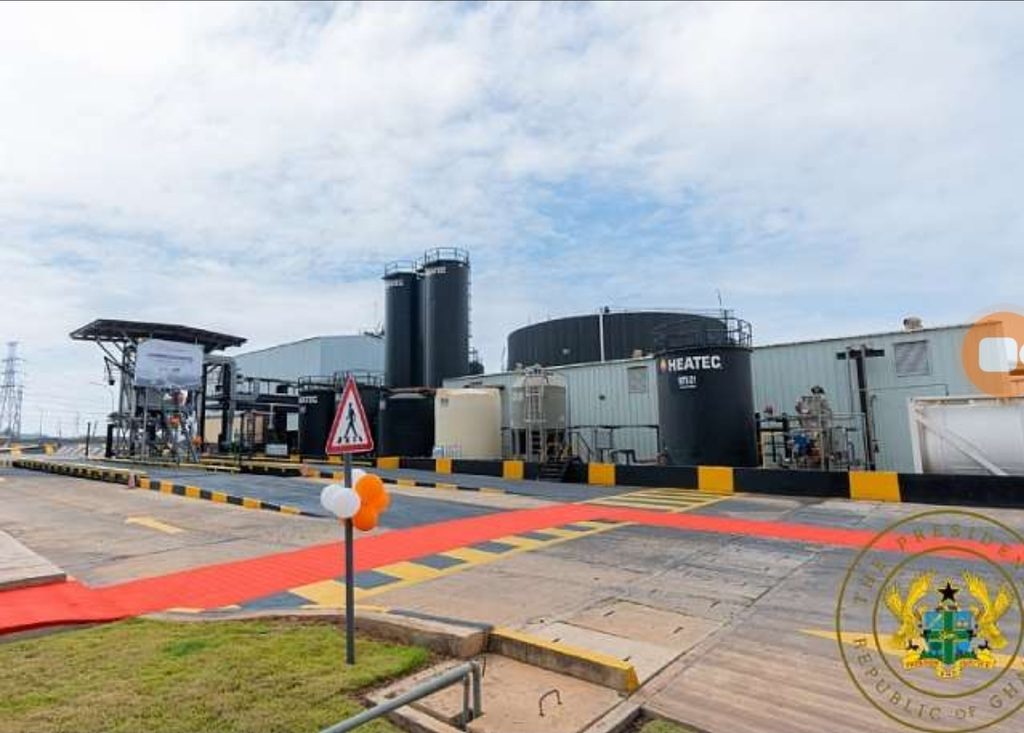
Ghana already has an established bitumen processing and storage facility at Tema operated by GOIL PLC in partnership with Société Multinationale de Bitumes (SMB) of Côte d’Ivoire. The facility has an installed capacity of approximately 7,500 metric tonnes and supports the storage and production of different bitumen products, including polymer-modified bitumen and bitumen emulsions. It also provides laboratory testing and distribution services.

The facility demonstrates existing domestic capacity that could contribute to efforts to improve the availability of road construction materials.In June 2026, the National Petroleum Authority (NPA) inaugurated a 16-member Bitumen Technical Committee to develop a regulatory framework governing the quality, importation, storage, transportation, distribution and use of bitumen in Ghana.
The initiative reflects broader efforts to strengthen oversight of the bitumen industry and ensure that materials supplied for infrastructure development meet appropriate standards.
Suppliers Assure Government Of Improved Supply
Responding to the Minister’s concerns, the suppliers assured him that contractors’ requests for bitumen would be met and pledged their commitment to supporting the timely execution of road projects across the country. Their assurance comes as the government seeks to address logistical and supply-related challenges that could affect the delivery of its infrastructure commitments.
The planned regional testing facilities, alongside improved coordination among suppliers and efforts to strengthen domestic production, are expected to contribute to a more reliable road construction supply chain.
For the Ministry, the broader objective is to ensure that infrastructure delivery is supported not only by adequate funding and construction capacity but also by dependable access to quality-assured materials.
As the Big Push programme advances, the effectiveness of these measures will be important in ensuring that road projects are completed to the required standards and deliver lasting benefits to communities, businesses and road users.
READ ALSO: New Trailer Drops for ‘Children of Blood and Bone’