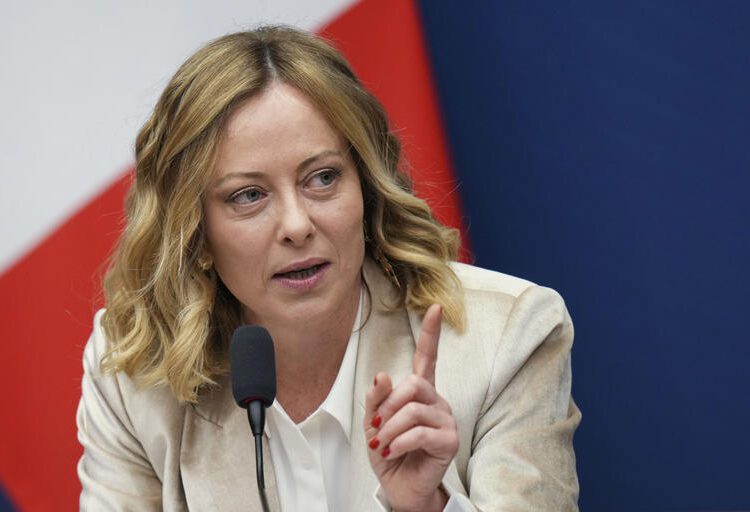
Italy has faced another wave of bomb threats targeting schools, with approximately 1,800 schools across at least 10 regions receiving threatening emails alongside messages directed at Prime Minister Giorgia Meloni’s office.
The latest alerts have heightened concerns among education authorities, parents and government officials, although the government has instructed schools to continue operating unless there are credible grounds to suspect an immediate danger.
The decision marks a change from the response to earlier threats, which prompted hundreds of schools to evacuate pupils as a precaution.
According to Italian media reports, some of the email accounts used to distribute the latest threats have been traced to data leaks in Taiwan and the Philippines. Authorities have not established who is behind the messages or whether the reported links indicate the actual origin of the campaign.
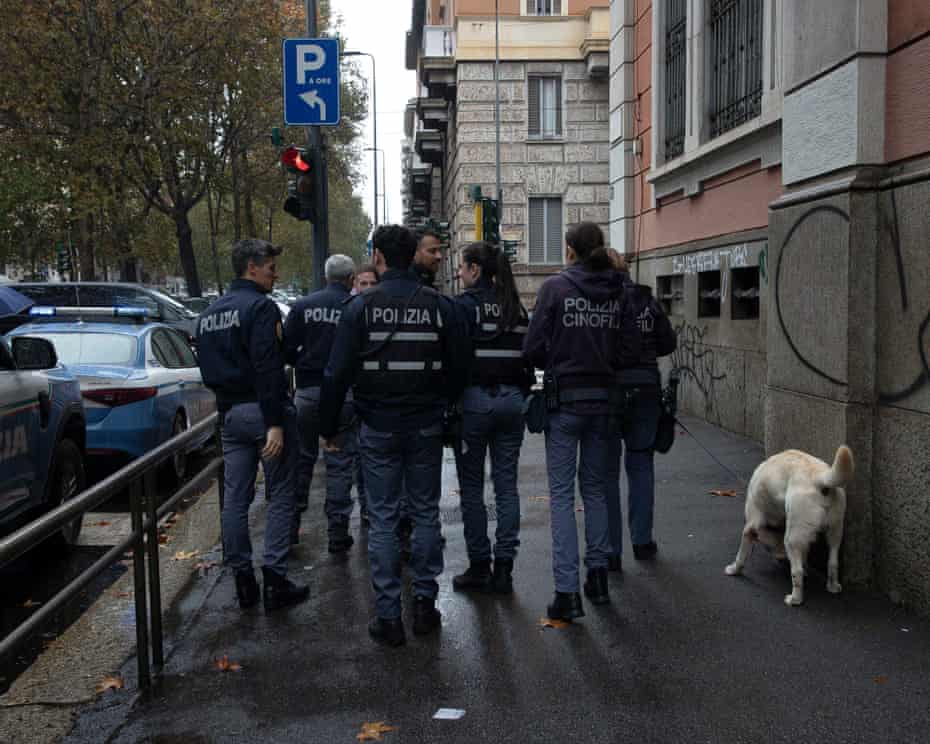
A news agency reported that several schools nevertheless chose to evacuate pupils as a precaution despite the government’s guidance.
The Rome Prosecutor’s Office’s anti-terrorism team is leading the investigation into the threats, which have disrupted schools and prompted increased security concerns across the country.
In response to the latest wave of messages, the government directed local authorities and school principals to keep classes running unless there were credible indications of a security threat.
The latest threats follow an earlier wave in which approximately 6,000 schools received hoax bomb warnings, according to Italy’s Education Ministry. Hundreds of schools were reportedly evacuated on Wednesday as authorities responded to the messages.
However, Meloni said “no element has emerged that would suggest there is a concrete danger,” referring to the findings of checks conducted so far.
In a Facebook post, the Prime Minister said that the reports “instead appear to be linked to a strategy aimed at generating alarm and concern, which is currently the subject of all the necessary in-depth investigations.”
Authorities have continued examining the messages to establish their source, identify those responsible and determine whether the threats form part of a coordinated campaign.
Meloni’s Office Also Targeted
The latest wave has extended beyond educational institutions, with a separate email reportedly demanding Meloni’s resignation and containing threats against her office.
According to reports, the message included unsubstantiated threats directed at the Prime Minister’s office.
Meloni chaired a meeting with opposition parties today to discuss the government’s response to the threats. The engagement also caused her to miss the opening part of the Dublin summit.
The Prime Minister had earlier described the campaign as an attempt to intimidate the country and create widespread fear. Speaking on Wednesday night, she said the threats were intended to “instil fear” but insisted that the campaign would not succeed.
Her government has faced pressure to ensure that schools and public institutions remain secure while preventing the repeated circulation of false alarms from disrupting daily activities.
Tajani Describes Threats As Hybrid Warfare
Deputy Prime Minister and Foreign Minister Antonio Tajani told the Italian parliament today that he regarded the bomb threats as a dangerous hybrid warfare campaign.
He suggested that Italy was being targeted because of its continued support for Ukraine, although the investigation has yet to establish who organised the threats or their motive. “But I want to reiterate clearly: we will not be intimidated,” Tajani said.
His comments place the incidents within wider concerns about hybrid threats, which can involve disinformation, cyber operations and other forms of pressure intended to undermine public confidence and disrupt government activities.
However, the alleged connection between the threats and Italy’s position on Ukraine remains an assessment by the deputy prime minister rather than an established finding of the investigation.
Similar Threats Reported Across Europe
Italy’s latest bomb alerts come amid reports of similar threatening emails targeting schools in other European countries.
Authorities in Scotland, Northern Ireland and the Republic of Ireland have reported receiving comparable messages from abroad. However, the threats were classified as hoaxes, allowing schools to continue operating.
In Scotland, police estimated on Wednesday that at least 470 schools had been affected.
The developments have raised concerns about the cross-border circulation of threatening messages and the challenges facing authorities when assessing potentially coordinated hoax campaigns.
Although the reported threats have not so far produced evidence of a concrete danger, their scale has caused significant disruption and prompted investigations across several jurisdictions.
In Italy, the Rome Prosecutor’s Office’s anti-terrorism team continues to examine the latest messages as authorities seek to establish their origin and determine whether the incidents are connected.
READ ALSO: Xi Reaffirms China’s Desire For Taiwan Reunification