Ghana has called for a more accessible and sustainable climate financing system that allows African countries to respond to climate change without deepening their debt burdens, as discussions at the 31st United Nations Climate Change Conference (COP31) turn attention to the financial barriers facing developing economies.
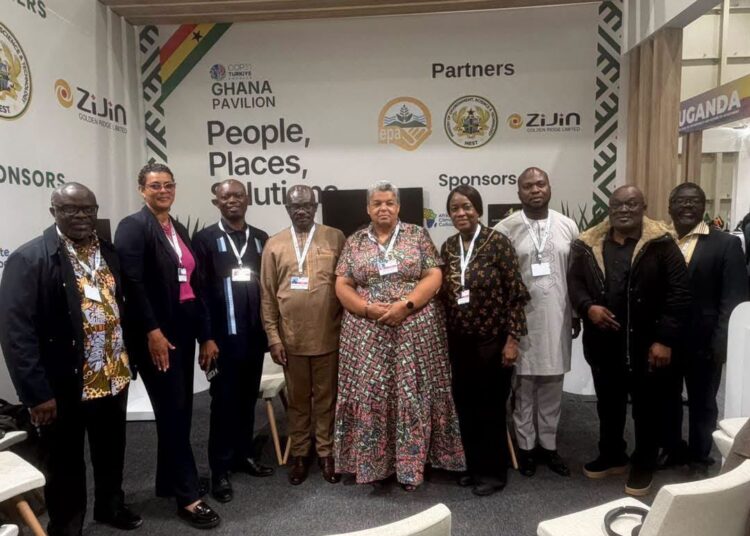
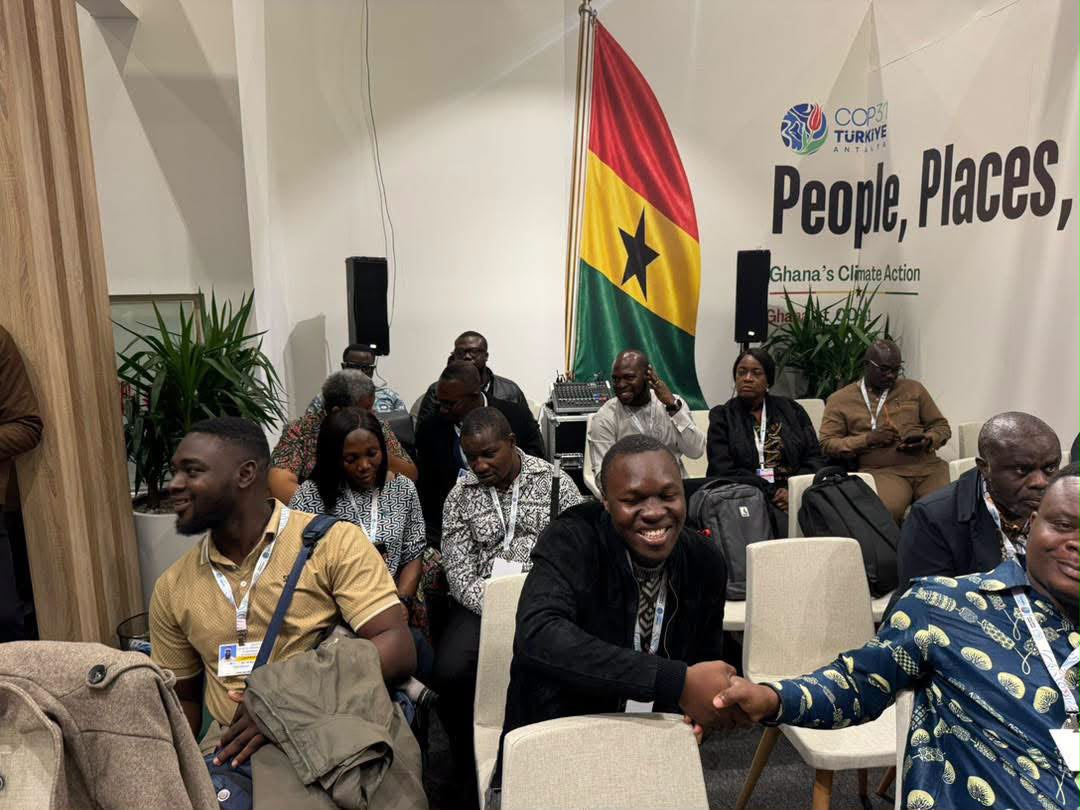
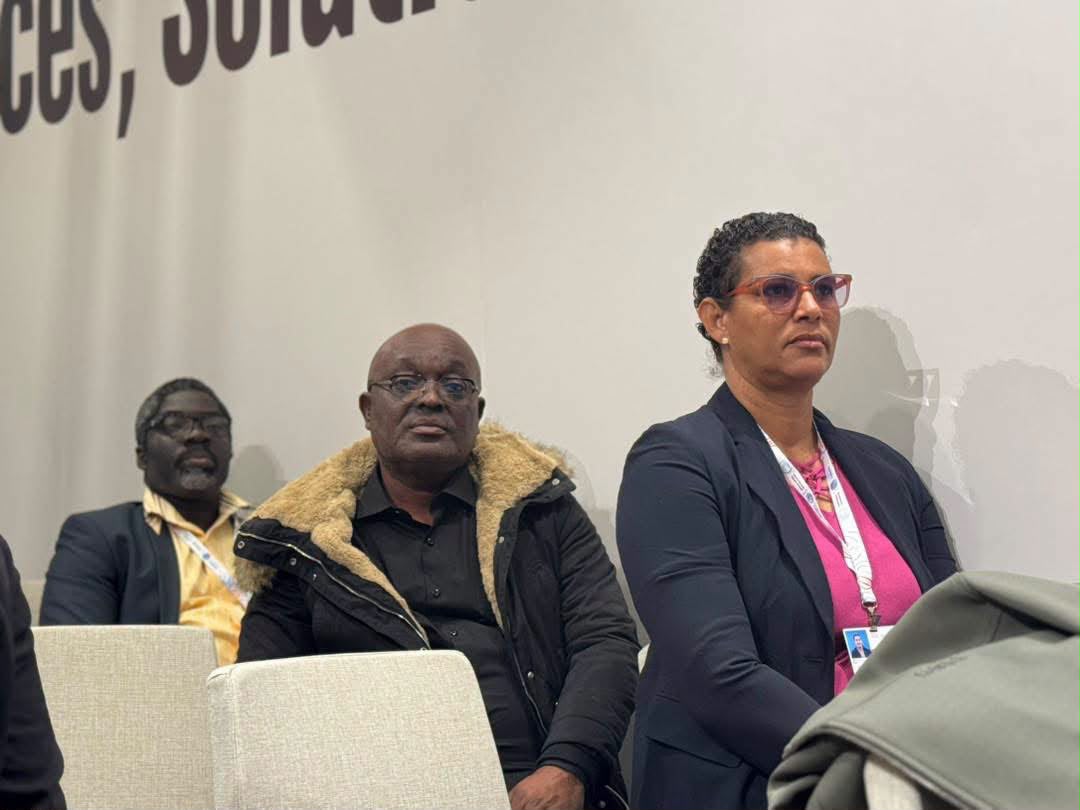
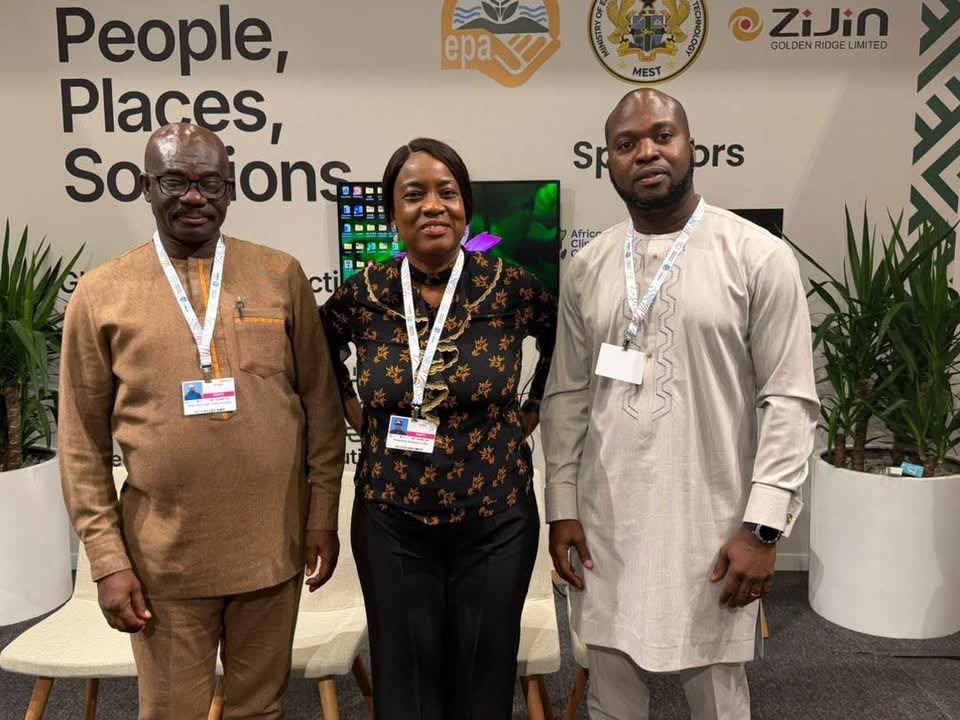
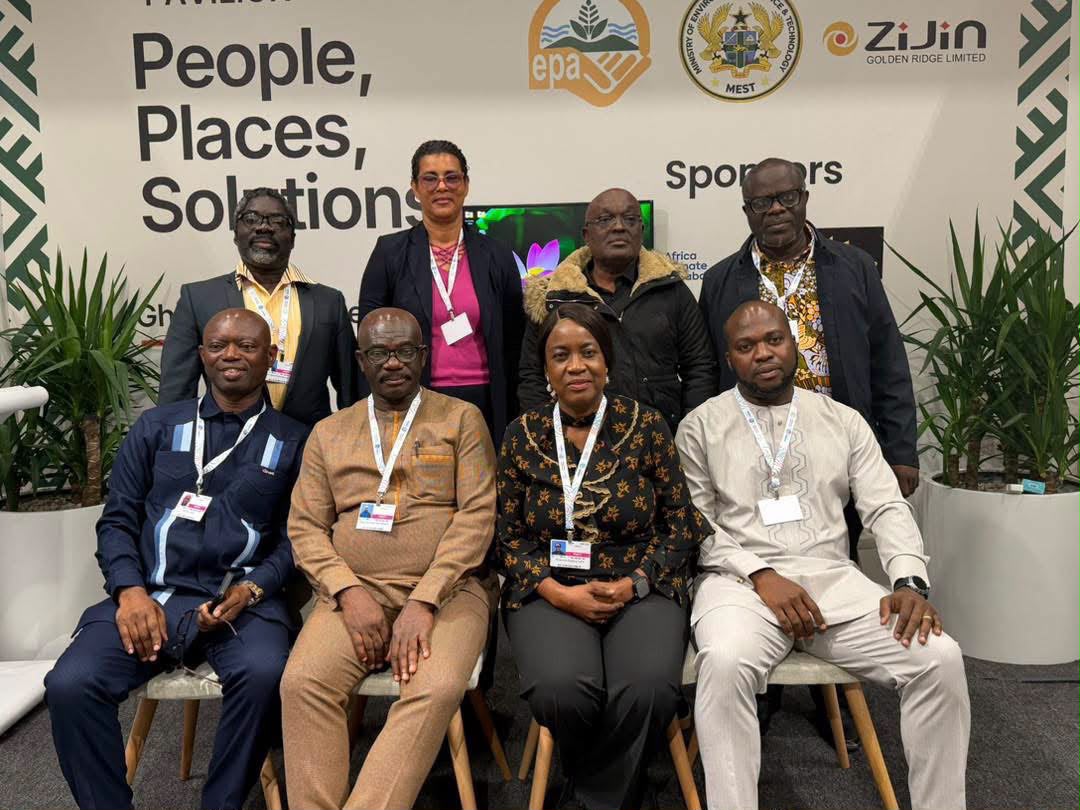
Dennis Apraku, Co-Lead on Climate Financing, outlined the priorities during a presentation at the Ghana Pavilion in Antalya, Türkiye, highlighting the need for simplified access to international climate funds, greater reliance on grants, increased private-sector participation and dedicated financial support for countries experiencing irreversible climate-related losses and damage.
His intervention draws attention to a growing concern for African governments: although climate finance is frequently discussed in terms of billions of dollars pledged internationally, the conditions attached to the funding can determine whether vulnerable countries are actually able to benefit.
For Ghana, the issue is particularly important as the country seeks resources for renewable energy development, climate adaptation, resilient infrastructure and the protection of communities whose livelihoods are exposed to changing environmental conditions.
The central concern is that countries already facing financial constraints should not have to accumulate additional debt simply to respond to climate impacts they have limited responsibility for causing.
“Climate finance must be accessible, adequate and responsive to the specific needs of developing countries, rather than creating additional financial burdens for the countries that need support most.”
Grants Must Become A Bigger Part Of Climate Financing
One of the priorities highlighted by Mr Apraku was the need to provide grants instead of depending heavily on loans to finance climate-related interventions.
The distinction is important for African economies, many of which are managing substantial debt obligations while facing growing demands for investment in climate resilience and sustainable development.
Loans can provide governments with resources for major infrastructure projects, but they also create repayment obligations.
Where climate-related investments do not generate direct commercial returns, financing them through borrowing can place additional pressure on public finances.
This is particularly relevant for adaptation projects such as flood-control systems, early-warning infrastructure, coastal protection and climate-resilient agriculture.
Although these interventions can prevent significant economic losses, their benefits are often measured in avoided damage and protected livelihoods rather than immediate financial returns.
“Developing countries need more grant-based support because financing climate action through additional borrowing risks worsening the debt challenges they already face.”
The argument is not that loans should be completely excluded from climate financing. Concessional lending may be appropriate for projects capable of generating economic returns.
However, grants are particularly important for interventions that serve essential public interests and cannot reasonably be expected to repay commercial financing.
For Ghana, greater access to grant-based resources could help support climate adaptation and resilience programmes without placing the entire financing responsibility on the national budget.
Access Barriers Continue To Limit Climate Action
Mr Apraku also emphasised the need to simplify access to international climate funds, identifying accessibility as a major consideration for African countries seeking resources for climate action.
The challenge is not always the absence of funding opportunities. International climate finance facilities have established different funding windows, but accessing them can require extensive technical documentation, project preparation, institutional accreditation and compliance with complex approval procedures.
These requirements can disadvantage countries and institutions with limited technical and administrative capacity.
For countries confronting immediate climate vulnerabilities, delays in securing funding can affect the implementation of projects intended to protect communities, infrastructure and livelihoods.
“Climate funding must not only be available on paper; African countries must be able to access it and deploy it where the needs are greatest.”
Simplifying access would require more transparent application procedures, practical approval timelines and technical support for countries preparing proposals.
It would also require funding institutions to recognise the different capacities of recipient countries and ensure that administrative requirements do not become unnecessary barriers to support.
For Ghana, improved access to international climate finance could strengthen efforts to mobilise resources for renewable energy, agricultural resilience, coastal protection and infrastructure development.
The effectiveness of climate finance should therefore be assessed not only by the amounts announced at international conferences, but also by how much funding reaches countries and how quickly it translates into practical interventions.
Private Investment Must Complement Public Funding
Another priority raised during the Ghana Pavilion presentation was the need for increased private-sector participation in financing green projects.
The scale of investment required for climate action means that governments and development partners cannot meet every financing need through public resources alone.
Private capital can support renewable energy projects, energy efficiency, sustainable transportation and businesses developing environmentally responsible technologies.
For Ghana, attracting more private investment could help accelerate the development of green industries and reduce the pressure on public finances to fund every component of the country’s energy transition.
However, private investors generally prioritise projects with predictable revenue streams and manageable risks.
This means that commercially attractive renewable energy projects may be easier to finance than adaptation interventions whose benefits are largely social and environmental.
Flood protection, early-warning systems and community resilience programmes, for example, may deliver significant public benefits without generating the returns required by conventional investors.
“Private-sector investment is important, but it must work alongside public financing to ensure that projects serving vulnerable communities are not left behind.”
This makes the role of public institutions and international climate finance facilities important in reducing investment risks and supporting projects that may not attract private capital independently.
The objective should be to mobilise private investment where commercial opportunities exist while preserving grant and public financing for essential interventions that the market may not adequately support.
Loss And Damage Needs Dedicated Financial Support
Mr Apraku further stressed the importance of financial support for countries experiencing irreversible climate-related losses and damage.
Loss and damage is concerned with the consequences of climate change that cannot be avoided through emissions reduction or adequately managed through adaptation.
These consequences can include destroyed infrastructure, lost livelihoods, damaged agricultural land and the displacement of communities.
For developing countries, such impacts can create substantial financial demands, particularly when governments must redirect scarce resources towards recovery and reconstruction.
“Countries experiencing irreversible climate-related losses and damage need financial support that recognises the scale of their losses and does not leave them to carry the burden alone.”
The issue is particularly relevant to vulnerable African communities whose economic activities depend on climate-sensitive sectors such as agriculture, fisheries and coastal livelihoods.
For Ghana, coastal erosion, flooding and climate-related pressures on agricultural production demonstrate why financial support must extend beyond mitigation and conventional adaptation programmes.
Without dedicated financing, countries may be forced to meet the costs of climate-related destruction through domestic budgets or additional borrowing, further constraining their development priorities.
Support for loss and damage is therefore an important part of building a climate finance framework that responds to both future risks and the consequences already being experienced.
Ghana’s Climate Finance Message At COP31
The priorities outlined at the Ghana Pavilion point to a broader concern about the structure of international climate financing.
African countries need more than funding commitments. They require financing that is accessible, adequate and provided on terms that recognise their financial limitations and development needs.
Grants can help reduce the debt implications of climate action, simplified procedures can make existing funding more accessible, private investment can expand the pool of available capital, and dedicated loss-and-damage support can help vulnerable countries respond to irreversible impacts.

For Ghana, the challenge is to translate these priorities into practical financing opportunities that support climate resilience, sustainable energy development and long-term economic stability.
Ultimately, the success of international climate finance will depend not simply on how much money is pledged, but on whether developing countries can access and use the resources without compromising their financial futures.
READ ALSO: Global Fertiliser Price Drop Offers Ghana Relief in the Agriculture Sector