Ghana’s participation in the 31st United Nations Climate Change Conference (COP31) has begun with renewed calls for climate finance and stronger international cooperation, placing the question of funding at the centre of the country’s energy transition ambitions.
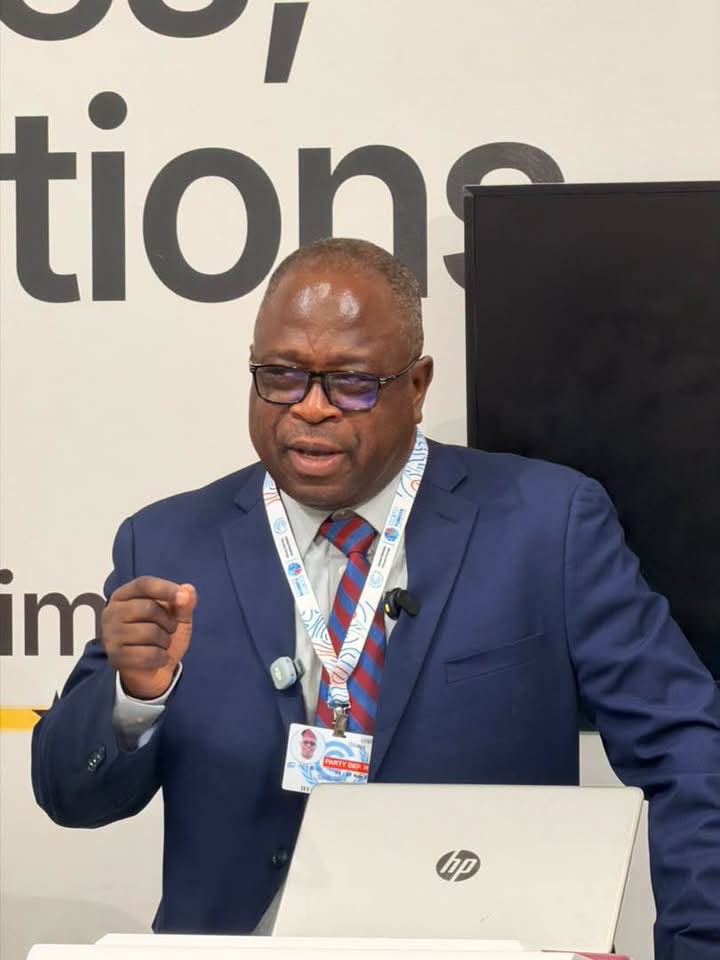
At a press conference organised by the National Roster of Experts on Climate Negotiations, Ghanaian climate negotiators outlined priorities spanning climate finance, adaptation, the Global Stocktake, climate and health, and a just transition.
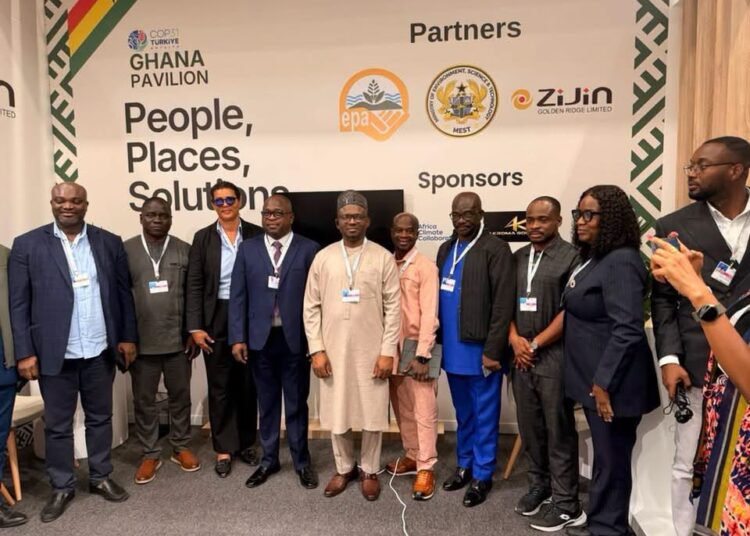
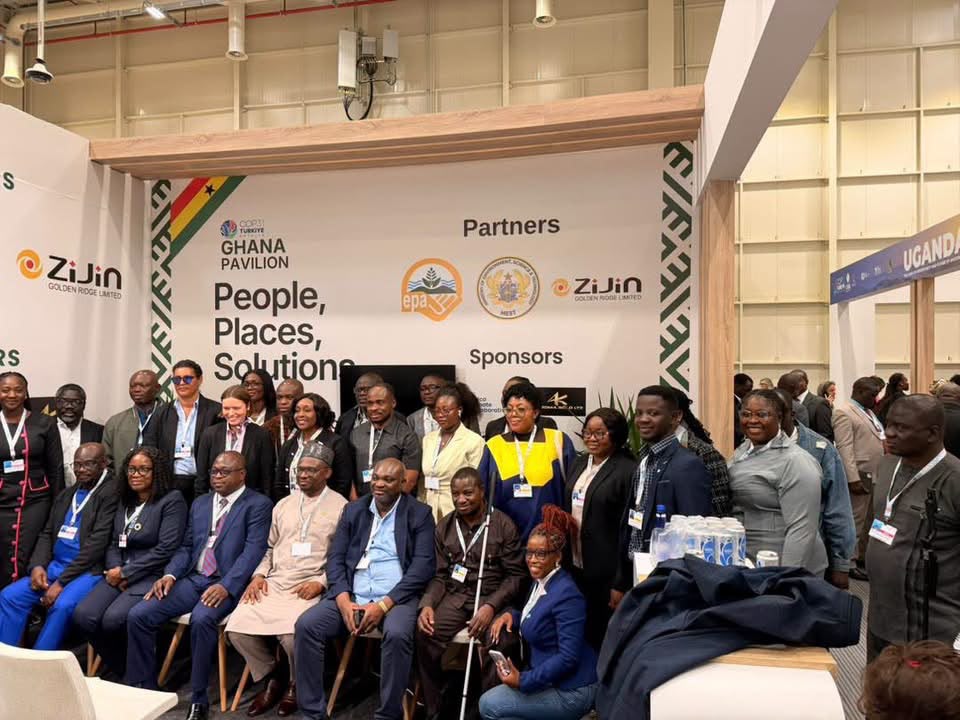
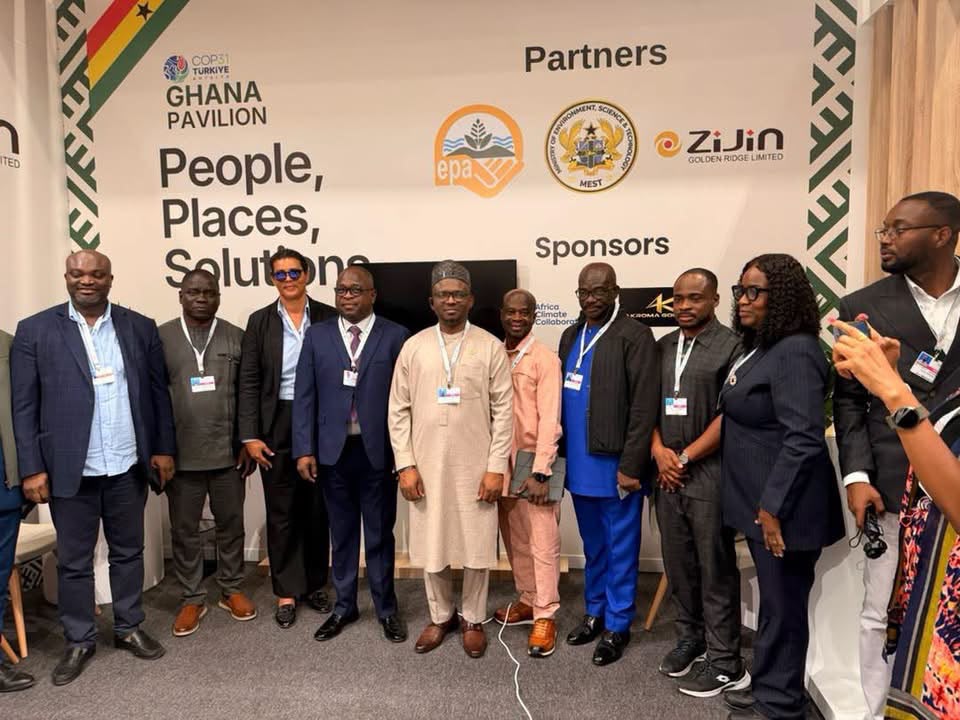
The discussions were followed by the official launch of the Ghana Pavilion, which is expected to provide a platform for advancing the country’s interests and building partnerships during the conference.
The activities, however, carry implications beyond diplomatic representation. For Ghana’s energy sector, the negotiations present an opportunity to secure the financial and technical support needed to expand renewable generation, strengthen electricity infrastructure and improve energy access while responding to climate-related risks.
The Ghana Pavilion was launched by Minister of State at the Presidency responsible for Climate Change and Sustainable Development, Hon. Seidu Salifu, who commended the Environmental Protection Authority for securing the platform.
But the more consequential measure of Ghana’s participation will be whether the priorities advanced in Antalya translate into financing arrangements capable of supporting projects at home.
Climate Ambitions Require Substantial Investment
Ghana has outlined significant renewable energy and electrification ambitions, but the scale of investment required raises questions about how these targets will be financed.
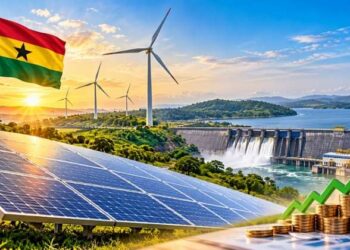
The updated Renewable Energy Master Plan for 2026–2030, developed by the Ministry of Energy and Green Transition with support from the United Nations Development Programme (UNDP), targets 852 megawatts-peak of additional utility-scale solar photovoltaic capacity, 709MWp of wind power and 127MWp of new hydropower.
It also proposes 440 mini-grids to extend electricity access to rural and island communities, alongside the deployment of 1.1 million solar lanterns and increased biofuel production.
The estimated investment requirement is US$10.8 billion, with the plan projecting more than 353,000 jobs across manufacturing, installation, operations and research.
That financing requirement makes Ghana’s climate finance agenda particularly important.
While private investment will be necessary, the availability of affordable long-term capital, concessional financing and international development support could determine how quickly projects move from planning to implementation.
The challenge is not simply attracting money. It is securing financing on terms that make renewable energy projects commercially viable without placing additional pressure on public finances or electricity consumers.
Electricity Infrastructure Must Keep Pace
Renewable energy expansion also requires investments beyond the construction of generating facilities.
Solar and wind power introduce variability into electricity supply, making transmission infrastructure, storage systems and effective grid management increasingly important.

Without adequate investment in these areas, additional generation capacity may not translate into reliable electricity for households and businesses.
Ghana’s National Energy Compact, prepared under the Mission 300 initiative, identifies the need to increase renewable energy generation, strengthen transmission infrastructure and deploy battery storage.
The document sets out a target to increase renewable energy generation from 4 per cent to 10 per cent by 2030.
It states:
“Increasing renewable energy generation from 4% to 10% by 2030 thereby reducing the cost of generation.”
The Compact also identifies the deployment of 200MW of battery energy storage capacity at critical grid locations by 2030 as part of efforts to improve grid stability.
These commitments demonstrate why climate finance discussions must consider the entire electricity value chain. Funding generation projects without corresponding investment in transmission, distribution and storage could limit the benefits of renewable energy deployment.
For Ghana, the negotiations should therefore support financing that addresses these interconnected requirements rather than concentrating exclusively on individual clean energy projects.
Adaptation Is Also An Energy Security Issue
The emphasis on adaptation at COP31 is equally relevant to Ghana’s electricity sector.
Climate-related disruptions can affect energy infrastructure, water availability, generation planning and the reliability of electricity supply.
Flooding can damage installations and distribution networks, while changing rainfall patterns can create additional uncertainty for hydropower-dependent systems.
The National Energy Compact recognises the importance of strengthening infrastructure and improving system reliability as Ghana pursues its energy objectives.
Its investment priorities include grid expansion, distributed renewable energy and improved electricity access.
This makes adaptation more than an environmental concern. It is also an energy security and economic development issue.
Financing for climate resilience could support stronger infrastructure, better planning and technologies that help communities maintain access to electricity during climate-related disruptions.
The Global Stocktake discussions are also relevant because they assess collective progress under the Paris Agreement and identify gaps between existing commitments and the action required.
For Ghana, the next phase of climate diplomacy must consider whether international commitments are producing tangible improvements in national infrastructure and resilience.
The Just Transition Must Protect Consumers
Ghana’s transition also involves balancing emissions reduction with affordability, employment and reliable energy supply.
Renewable energy expansion cannot be considered successful if the costs of implementation undermine electricity affordability or if communities and workers affected by changes in the energy sector are excluded from the benefits.
The country’s energy transition therefore requires financing that supports skills development, new employment opportunities, access to modern energy services and the gradual diversification of electricity generation.
This is particularly important for communities whose livelihoods depend on conventional energy activities, as well as households that continue to face barriers to accessing reliable electricity and cleaner cooking options.
The climate and health priorities highlighted by Ghana’s negotiators also reinforce the need for an integrated approach. Cleaner cooking, improved energy access and reduced exposure to household air pollution are areas where climate policy can deliver direct public health benefits.
Ghana Must Turn Negotiations Into Projects
The launch of the Ghana Pavilion provides an opportunity to showcase national initiatives and attract partnerships, but visibility alone will not close the country’s energy investment gap.
The Environmental Protection Authority, Ministry of Environment, Science and Technology, energy institutions and Ghana’s negotiating team will need to ensure that the priorities presented at COP31 remain connected to the country’s domestic development plans.

The Minister of State’s commendation of the EPA highlights the institutional coordination behind Ghana’s participation.
However, the real value of that coordination will be demonstrated through partnerships that mobilise investment, strengthen technical capacity and support implementation.
COP31 runs from November 9 to 20 in Antalya, Türkiye. For Ghana, the central issue is whether climate finance commitments can be converted into the infrastructure and investment needed to deliver its energy targets.
The country has established ambitious plans for renewable energy, storage and electricity access. What remains critical is securing the resources and partnerships to implement them without compromising affordability or reliability.
Ghana’s participation at COP31 will therefore matter most if the discussions move beyond declarations and produce financing that strengthens the country’s energy system.
READ ALSO: Fidelity Bank’s Agency Banking Revolution Reaches 7,000 Agents