Africa’s growing investment in clean energy is creating a market for solar panels, batteries, inverters, cables and other electrical equipment, but the continent is capturing only a small share of the industrial value generated by that expansion.
For Ghana, the concern is whether the country’s renewable energy investments will build domestic businesses and technical capabilities or mainly increase demand for equipment manufactured elsewhere.
A November 2026 policy brief by the Africa Centre for Energy Policy (ACEP) argues that Africa must reconsider how it approaches the energy transition, particularly the relationship between renewable energy deployment and industrial development.
The brief, titled Why Africa’s Long-Standing Bargain at COP May Not Deliver the Economic Transformation We Need from the Energy Transition, points to a growing imbalance: investment in clean energy infrastructure is increasing, but manufacturing and technological capabilities remain concentrated in a small number of economies.
According to the brief, Africa’s clean energy investment rose from approximately US$24.8 billion in 2015 to US$48.4 billion in 2025. Yet the continent accounted for less than one per cent of the global market for six major clean energy technologies in 2023.
Those technologies include solar photovoltaic systems, wind power, batteries, electric vehicles, heat pumps and electrolysers.
The figures expose a gap between the growth of the African clean energy market and the continent’s participation in supplying the equipment and technologies required to serve it.
For Ghana, that gap raises a policy question: can the expansion of solar and other renewable energy projects create a domestic manufacturing and supplier base, or will the country remain primarily a buyer of imported technologies?
Investment Is Growing, But Industrial Returns Remain Limited
The increase in clean energy investment across Africa represents an expanding market for equipment and services.
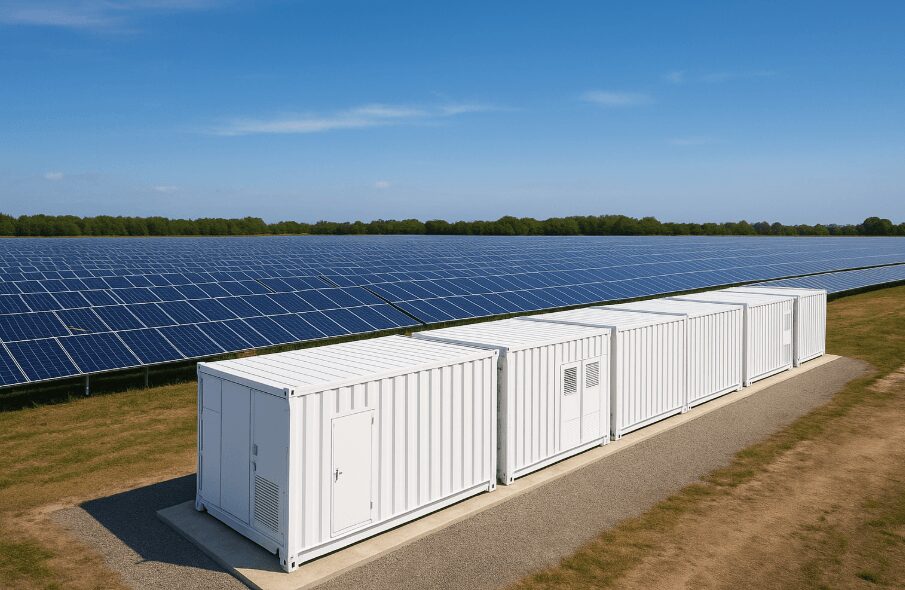
Solar installations require panels, mounting structures, cables, inverters, batteries and electrical components. They also create demand for engineering, installation, maintenance and system integration.

ACEP argues that this demand could support local assembly, supplier development and technical employment if governments deliberately connect renewable energy procurement to industrial policy.
However, increased deployment does not automatically create domestic manufacturing capacity.
Where projects rely predominantly on imported equipment and foreign technical services, much of the economic value generated by renewable energy investment leaves the continent.
ACEP warns that Africa risks remaining a supplier of raw materials and a consumer of imported technologies while the manufacturing benefits of the transition accrue elsewhere.
The brief states:
“Growing investments in renewable energy deployment can stimulate local manufacturing, enterprise development and skilled employment if deliberately linked to industrial policy.”
That distinction is important for Ghana because renewable energy targets are usually assessed through installed capacity, electricity generated and emissions avoided.
Those indicators are necessary, but they do not reveal how much domestic economic activity is created by the investments.
A solar project can increase renewable generation without developing a single local equipment manufacturer. It can also create a market for Ghanaian installers, engineers and maintenance companies without necessarily building the capacity to manufacture panels, inverters or battery systems.
The policy challenge is to ensure that renewable energy deployment produces both electricity and productive economic activity.
Ghana Has A Market To Build Around
Ghana’s renewable energy ambitions create potential demand for equipment and technical services, but the scale and consistency of that demand will influence whether local firms can invest in production.
Manufacturing businesses need predictable orders, access to finance, technical standards and a sufficiently large market to justify investment in equipment and skills.
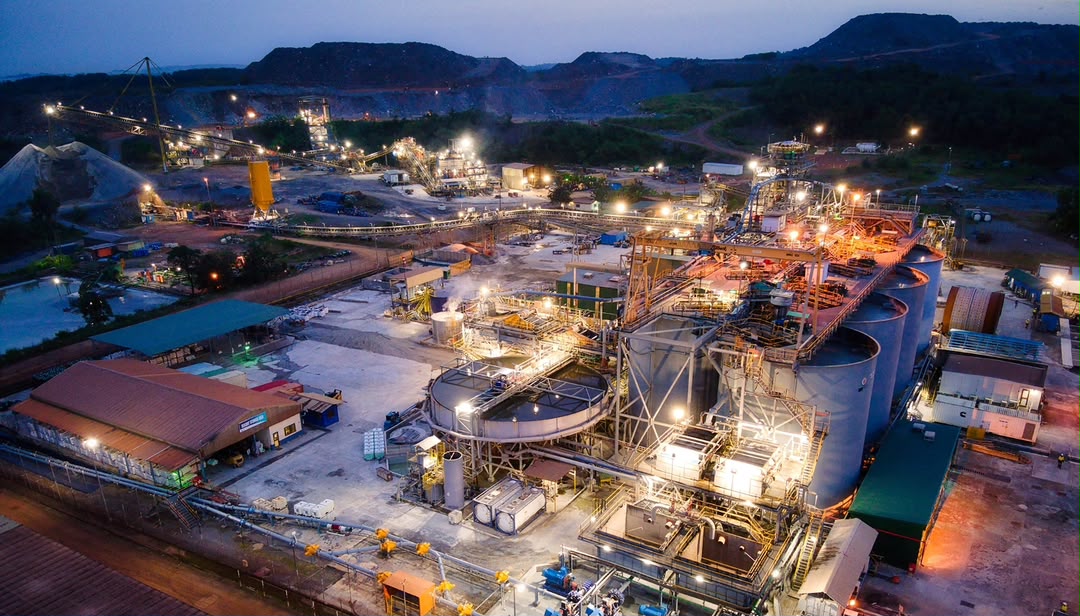
If procurement is organised around individual projects with different specifications and short implementation periods, local firms may struggle to develop the scale and certainty required to compete.
ACEP therefore recommends structured financing and procurement arrangements that encourage local assembly, supplier development, technology transfer and technical skills development.
For Ghana, this could mean identifying components that can realistically be manufactured or assembled locally before attempting to build more complex production capabilities.
Mounting structures, electrical cables, selected components, battery assembly and system integration are among the areas the brief identifies as possible entry points for African participation.
The approach would not require Ghana to manufacture every component of a solar system. Instead, it would involve identifying areas where domestic firms can become competitive, then using renewable energy procurement to create a predictable market for those businesses.
The distinction between local assembly and full manufacturing must also be maintained. Assembling imported components can be an entry point for skills development and industrial learning, but it does not automatically establish domestic control over technology, intellectual property or the wider supply chain.
A credible strategy would therefore need clear expectations for local sourcing, training, technology transfer and the gradual upgrading of production capabilities.
Procurement Decisions Could Shape The Market
Government agencies, public institutions and private developers have an important role in determining whether renewable energy spending supports local enterprise development.
Procurement decisions influence which products are purchased, which suppliers qualify and whether local firms have opportunities to participate in projects.
ACEP recommends that bilateral and multilateral financing for renewable energy projects incorporate appropriate provisions for local assembly, supplier development, technology transfer and technical skills development.
This is particularly relevant where projects are supported by concessional finance or development partnerships.
If funding agreements focus exclusively on installing equipment and delivering electricity, they may not create sufficient incentives for local enterprises to participate in the supply chain.
On the other hand, local participation requirements must be realistic. Forcing projects to use equipment that does not meet quality, safety or performance standards could increase costs and undermine reliability.
The task is to design procurement policies that encourage domestic participation without compromising technical standards or making projects commercially unviable.
That requires coordination between energy regulators, the Ministry of Energy and Green Transition, trade and industry authorities, financing institutions and private-sector suppliers.
It also requires a clearer understanding of the capabilities that already exist in Ghana, the gaps that need investment and the components for which local production could become competitive.
Technology Transfer Must Go Beyond Equipment Sales
The industrial challenge is not limited to the physical production of solar equipment.
Ghana also needs expertise in system design, battery management, power electronics, grid integration, research and development, and the maintenance of increasingly complex energy infrastructure.
Technology transfer can help develop these capabilities, but only if partnerships include opportunities for local firms, engineers and research institutions to learn and participate.
ACEP calls for international cooperation to support local manufacturing, research, technical training, licensing arrangements and joint ventures.
The brief argues that partnerships should be designed to build domestic technological capabilities over time, rather than simply provide access to imported technologies.
For Ghana, this creates an opportunity to connect renewable energy projects with universities, technical institutions and private-sector training programmes.
Local firms could develop capabilities in installation, system integration, equipment maintenance and selected manufacturing activities before progressing into more sophisticated production.
The process would require investment in standards, testing facilities, research and skilled personnel.
Without those foundations, local content policies could become administrative requirements rather than a pathway to competitive businesses.
Regional Markets Could Make Local Production Viable
Ghana’s domestic market alone may not support every form of clean energy manufacturing at an efficient scale.
ACEP therefore identifies the African Continental Free Trade Area as an important platform for developing regional clean energy value chains.
Through harmonised product standards, coordinated industrial strategies and cross-border trade, African countries could develop complementary manufacturing capabilities and serve a larger market.
Ghanaian businesses could specialise in selected components or services while sourcing other products from regional partners.
This would reduce the pressure on each country to establish an entire manufacturing chain independently.
The opportunity is significant because the global clean energy market is expanding, but Africa’s participation remains limited.
The continent’s clean energy investment nearly doubled between 2015 and 2025, yet its share of the global market for major technologies remained below one per cent in 2023.
For Ghana, the question is whether its renewable energy expansion can become a foundation for domestic enterprise development and regional trade.
The country will need more than additional solar installations to achieve that outcome. It will need procurement arrangements that create demand for local firms, financing that supports industrial investment, technology partnerships that build expertise and regional markets large enough to sustain production.
The measure of Ghana’s clean energy transition should therefore extend beyond how much renewable electricity it installs.
It should also consider how much domestic productive capacity the investment creates, how many Ghanaian firms enter the supply chain and how much technical knowledge remains in the country.
READ ALSO: Media Fund Alone Cannot Secure Ghana’s media industry reforms