

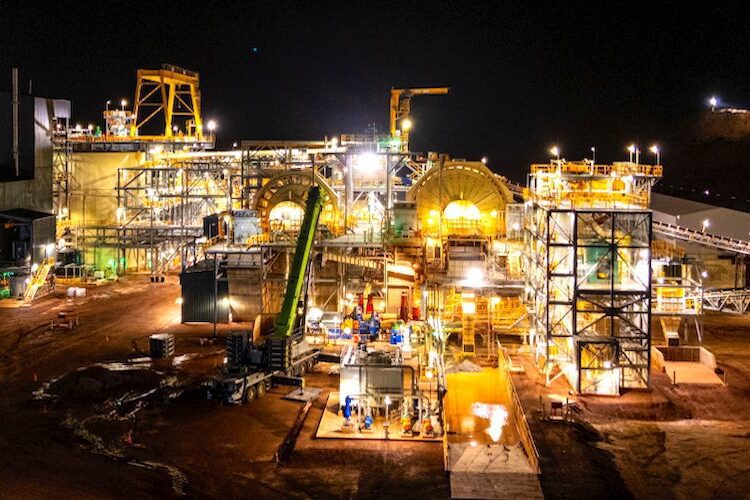
Ghana’s ambition to end the export of raw mineral ores by 2030 could create opportunities for domestic manufacturing, but the country’s ability to process more of its mineral resources will depend heavily on whether it can provide reliable and competitively priced energy to industrial operators.
The challenge goes beyond establishing processing plants or introducing restrictions on unprocessed mineral exports. Refining, mineral beneficiation and the manufacture of components for clean energy technologies require substantial electricity, infrastructure, technical skills and long-term investment.
A November 2026 policy brief by the Africa Centre for Energy Policy (ACEP) argues that African countries must connect their mineral wealth to regional industrial development instead of continuing to export raw materials and import higher-value products.
The recommendation has direct implications for Ghana, where the government has announced a 2030 target to stop exporting unprocessed mineral resources and expand domestic processing across commodities including bauxite, manganese, iron, lithium and diamonds.
President John Dramani Mahama has said the country’s mineral resources must increasingly support local processing and manufacturing.
“Our bauxites, manganese, iron, lithium, and other minerals must support processes and industrial development here at home,” he said in outlining the government’s value-addition ambitions.
However, turning that commitment into an industrial reality will require an energy system capable of supporting processing operations at competitive costs.
Mineral Wealth Does Not Guarantee Industrialisation
In its policy brief, Putting Africa’s Best Foot Forward: The Need to Rethink Africa’s Common Position on Energy Transition, ACEP identifies critical raw materials as an opportunity for African countries to participate more broadly in emerging clean energy value chains.
Unlike oil and gas production, which is concentrated in a relatively small number of countries, the continent’s mineral resources offer opportunities for a wider range of economies.
Africa is a major producer of cobalt, manganese and chromium, while also holding significant supplies of bauxite, copper and graphite. These materials are important to industrial production and the technologies supporting the global shift towards cleaner energy.
For Ghana, the opportunity extends beyond extracting and exporting manganese, bauxite and lithium. It includes developing the capacity to process these resources, manufacture intermediate products and supply industries that use them.
But the presence of mineral deposits does not automatically create competitive processing industries.
ACEP warns:
“Without investments in processing capacity, infrastructure, skills, technology and competitive enterprises, African countries risk continuing to export raw materials while importing higher-value products.”
The warning is particularly relevant as Ghana moves towards its 2030 target. Restricting raw mineral exports without ensuring that domestic processing facilities are commercially viable could create pressure on producers, investors and the wider mining value chain.
The government has acknowledged that the transition will require investment in infrastructure, technical skills, energy and financing.
The question is whether those requirements can be developed quickly enough to support the proposed changes in export policy.
Electricity Costs Could Determine The Success Of Local Processing
Energy is one of the most important considerations in mineral beneficiation.
Processing minerals into refined or semi-finished products can require continuous electricity for crushing, grinding, heating, smelting, separation and other industrial operations.
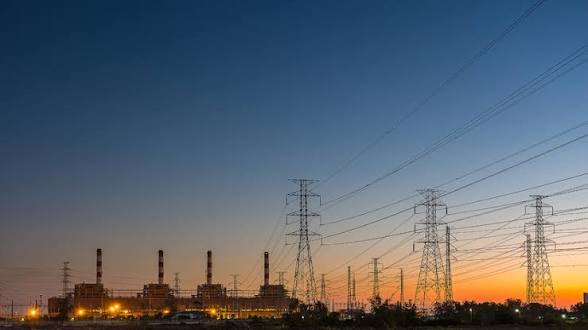
The specific energy requirements differ by mineral and processing technology, but the cost and reliability of power influence whether facilities can compete with established producers elsewhere.
This creates a direct connection between Ghana’s electricity-sector reforms and its industrialisation ambitions.
If power supply is unreliable or too expensive, processing companies may struggle to maintain production schedules, manage operating costs and compete in regional and international markets.
The government’s proposed mineral-processing strategy must therefore be supported by electricity planning that identifies the location, scale and expected demand of major industrial facilities.
That includes assessing transmission capacity, the availability of generation, gas supply where relevant, and the potential contribution of renewable energy to industrial electricity demand.
It also requires policymakers to avoid treating the construction of a processing facility as proof that a viable industrial value chain has been established.
A plant needs a dependable supply of raw materials, affordable electricity, transport infrastructure, skilled workers and access to markets. Weakness in any of these areas can undermine the investment.
Regional Cooperation Could Expand Ghana’s Market
ACEP argues that individual African countries may not have the market size, infrastructure or technical capabilities to develop competitive mineral-processing and clean technology industries independently.
It therefore recommends a regional approach that allows countries to develop complementary roles across extraction, processing, component production and manufacturing.

The African Continental Free Trade Area provides a framework for pursuing that strategy.
For Ghana, regional cooperation could help create markets for processed minerals and intermediate products, attract larger investments and reduce the cost of developing industrial infrastructure independently.
It could also allow countries to specialise in different parts of the value chain instead of each attempting to establish complete processing and manufacturing industries.
The brief recommends that African governments and regional economic communities harmonise relevant standards, facilitate cross-border investment and trade, and coordinate industrial capabilities.
This is important because the economic value of mineral processing depends partly on whether producers can sell their products into sufficiently large and competitive markets.
Ghana could potentially process certain mineral resources while supplying intermediate products to manufacturers in other African countries. In turn, it could source other processed materials or components from regional partners.
Such arrangements would require practical cooperation on trade rules, infrastructure, investment conditions and product standards.
Without these arrangements, the continent risks developing isolated processing projects that struggle to compete with larger global manufacturing centres.
Ghana’s 2030 Target Needs Investment Beyond Mining
The government’s proposed end to raw mineral exports represents a significant shift in how Ghana intends to benefit from its natural resources.
President Mahama has said the policy will be supported by phased restrictions, mineral-specific requirements and implementation timelines.
However, the success of the policy will depend on whether the private sector has sufficient confidence to invest in domestic processing.
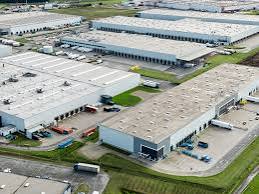
Investors will need predictable regulations, access to finance, suitable industrial sites, infrastructure and a clear understanding of the conditions attached to mineral licences.
The Minerals Income Investment Fund has also highlighted the importance of investment, data sharing and regional cooperation in advancing mineral value addition.
At the October 2026 Mining in Motion discussions, participants identified reliable and affordable energy, finance, transport infrastructure, geological data and technical skills as key requirements for viable processing industries.
That reinforces the argument that mineral policy cannot be separated from electricity planning and industrial development.
The government will also need to consider the financing requirements of processing projects. Some facilities may require substantial capital expenditure before they generate returns, making access to long-term financing particularly important.
Development finance institutions and international partners could support viable projects, but public support should be tied to measurable industrial outcomes rather than announcements of investment intentions.
Critical Minerals Could Become An Energy Industry Opportunity
The opportunity is not limited to processing minerals for export.
As global demand for batteries, renewable energy equipment and other low-carbon technologies grows, countries that can develop competitive mineral-processing and manufacturing capabilities may capture a greater share of the economic value generated by the energy transition.
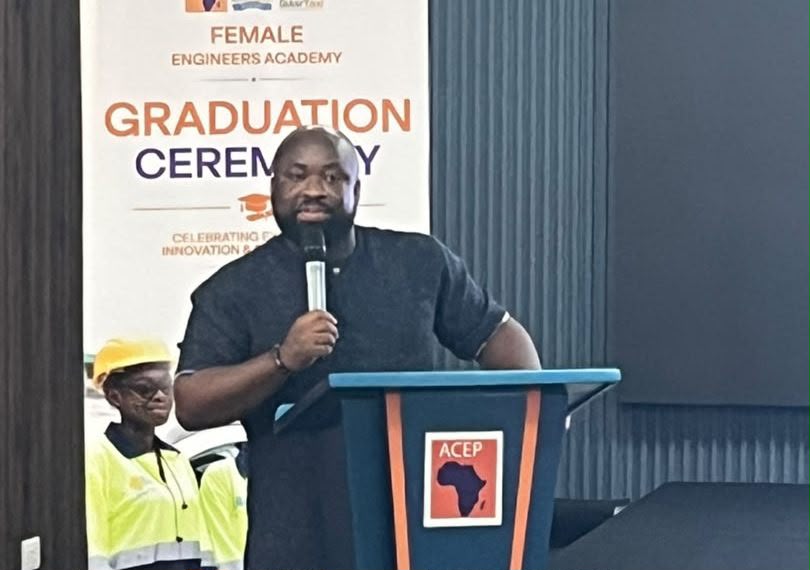
Ghana’s mineral resources could therefore support a wider industrial strategy that connects mining, electricity, manufacturing, technical training and regional trade.
However, that opportunity will not materialise simply because the country possesses the required minerals.
It will require deliberate investment in the infrastructure and skills needed to move from extraction to higher-value production.
ACEP recommends aligning energy investment with industrial development and supporting projects that combine viable energy systems with domestic enterprise upgrading, technology transfer and local value addition.
For Ghana, this means ensuring that electricity-sector investment is informed not only by household demand and existing industrial consumption, but also by the power requirements of the next generation of mineral-processing facilities.
The country’s 2030 target will ultimately be judged by whether more value is retained within the economy, whether domestic industries become more competitive and whether mineral wealth creates sustainable employment.
Ending raw mineral exports may change where Ghana’s resources are processed. But without reliable power, financing, infrastructure and regional markets, it will not automatically change the country’s position in the global mineral value chain.
READ ALSO: Takaichi Urges Global Cooperation On Frontier AI Security