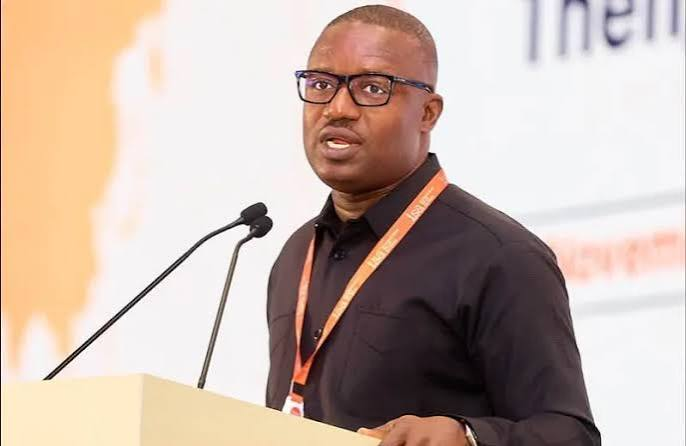
The New Patriotic Party’s (NPP) Spokesperson on Economy and Finance, Dr Frank Bannor, has questioned Ghana’s port security and cargo-screening systems after Spanish authorities intercepted 2,600 kilogrammes of cocaine shipped from Tema Port.
Dr Bannor argued that the consignment’s passage through Ghana without detection raises serious questions about border monitoring, inspection procedures and the country’s international reputation. He called for answers from authorities responsible for securing the ports. He urged authorities to explain how the consignment escaped port screening systems.
“It is important to know that we have 2,600 kilogrammes of cocaine transiting through a port like Tema Port. Imagine 2,600 kilogrammes worth of any item. Imagine even having hand luggage filled with cocaine, weighing less than 20 kilogrammes,”
New Patriotic Party’s (NPP) Spokesperson on Economy and Finance, Dr Frank Bannor
Speaking in an interview, Dr Bannor focused on the quantity of narcotics involved and the route the shipment took before Spanish law enforcement agencies intercepted it.

He argued that the scale of the consignment should prompt reflection on Ghana’s capacity to detect prohibited goods moving through its major international entry and exit points.
Dr Bannor Questions Tema Port Screening Systems
The cocaine, estimated at 2.6 tonnes, was intercepted at Spain’s Port of Valencia as the cargo was being unloaded. Spanish authorities arrested two people, identified as the suspected importer of the drugs and the person responsible for supervising the unloading
Dr Bannor questioned whether scanning equipment and inspection procedures at Tema Port could identify suspicious cargo before containers entered international transit. He maintained that the consignment demanded an explanation.
“What kind of picture are we painting of our country?” he asked, referring to the reputational implications of the seizure.
Shipment Timeline Raises Further Question
Dr Bannor also highlighted the timeline in the investigative report released by Spanish authorities, which traced the containers’ movement from Ghana to Spain
According to the report, the two containers were loaded at Tema Port on August 2, 2026, and arrived at the Port of Valencia on August 22, 2026. Spanish authorities intercepted the cocaine during unloading, 20 days after the containers left Ghana.
He argued that the timeline made the incident particularly troubling because the shipment had passed through Ghana’s international shipping processes before Spanish law enforcement discovered the narcotics
“If you read the investigative report that was released yesterday, it said the shipment left Tema Port on 2 August. So it is not like it did not go through our international borders. The necessary checkpoints where this cocaine should have been detected, it went through them, and it arrived in Spain and was busted 20 days later, according to the report,”
New Patriotic Party’s (NPP) Spokesperson on Economy and Finance, Dr Frank Bannor
Dr Bannor questioned how the containers passed through the relevant checkpoints without the cocaine being detected. He asked whether the screening arrangements had failed to identify the illicit cargo or whether other factors had undermined the port’s security controls.
Questions Raised Over Possible Complicit
Beyond the performance of scanning equipment and inspection procedures, Dr Bannor raised the possibility that individuals within the port system could be facilitating the movement of illegal drugs.
He framed the matter as a question and did not provide evidence implicating any particular official or institution.
The question shifts attention from the technical capacity of cargo-screening systems to the integrity of the processes and personnel responsible for port operations. However, his remarks do not establish that any Ghanaian port official was involved in the shipment.
The arrests in Spain concern the suspected importer and the person overseeing the unloading. The report details the shipment’s departure and arrival dates but, based on the information cited by Dr Bannor, does not establish complicity by Ghanaian officials.
Calls for Answers on Ghana’s Port Security
Dr Bannor’s comments have placed the safeguards governing cargo movement through Tema Port under scrutiny, particularly the ability of authorities to identify illicit consignments before they leave Ghana.

The interception in Valencia raises questions about scanning equipment, inspection procedures and border monitoring. For the NPP spokesperson, the passage of such a large quantity of cocaine through the port demands a clear account of what happened at the relevant checkpoints.
While the circumstances surrounding the consignment and arrests remain matters for the relevant authorities, Dr Bannor has called for answers about how the shipment cleared Tema Port. His central concern is whether Ghana’s port security systems can prevent illegal drugs from entering international cargo routes.
READ MORE: KATH and KNUST Renew Partnership to Strengthen Healthcare Delivery