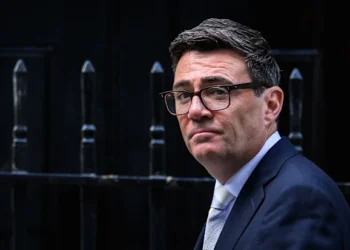
UK Prime Minister Andy Burnham has raised concerns over the European Union’s proposed “Made in Europe” rules designed to strengthen domestic manufacturing, warning that the policy could create “collateral damage” for British industries and supply chains.
The proposed legislation, commonly referred to as the “Made in Europe” policy, is intended to strengthen the position of manufacturers within the EU by giving European producers greater preference in public procurement and access to subsidies.
The initiative forms part of the bloc’s wider effort to strengthen industrial capacity and reduce dependence on external suppliers, particularly Chinese companies.
Its implications have nevertheless become a source of concern where UK fears that measures favouring companies based within the EU could place British manufacturers at a disadvantage.
Burnham described the issue as one requiring direct discussion between the UK and the EU rather than confrontation, arguing that Britain should not be treated as part of the external economic pressures the bloc is attempting to address.
“We have considerable support among the member states for the position we are taking, because Europe’s argument is not with us.”
Andy Burnham
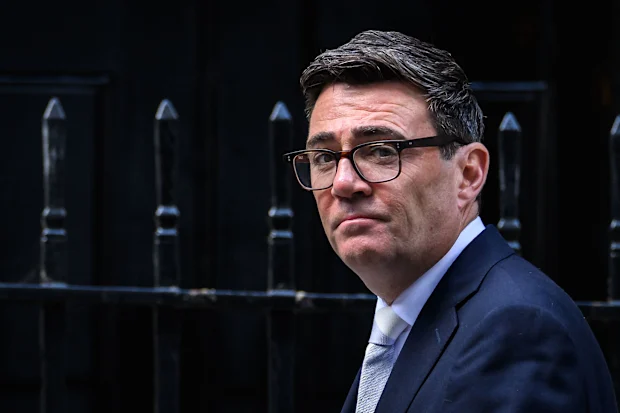
The British Prime Minister pointed to steel as an example of an industry facing similar pressures on both sides of the Channel. Global competition, excess production and the changing structure of international supply chains have placed pressure on steel producers in both Britain and Europe, creating an area where London believes its interests overlap with those of EU member states.
“We both suffer the same effects as other countries, particularly steel and the issue it raises for the steel industry in Europe and in Britain. We are making the argument ‘we are not your enemies here. We are not the problem’. Made in Europe is dealing with a different problem.
Andy Burnham
He added, “we are making the argument that ‘let’s avoid collateral damage’.”
Burnham has also indicated that strengthening that relationship remains his immediate priority, particularly as the two sides prepare for a UK-EU summit that is expected later in the year.
“My immediate priority is to build on the good work that Keir Starmer did in rebuilding bridges, because those bridges were broken in the early part of this decade.”
Andy Burnham
UK Seeks Closer EU Ties Without Rejoining the Bloc
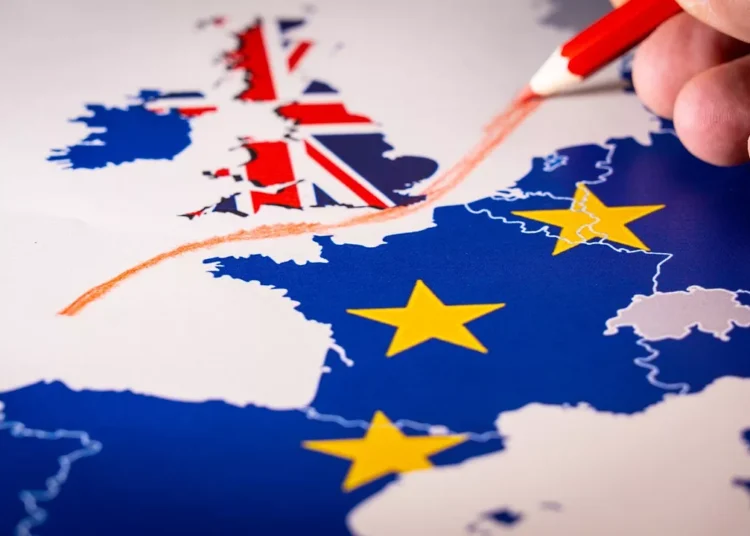
The concern over the EU’s industrial policy has also revived a separate question about Britain’s long-term relationship with the European Union.
UK Prime Minister, Andy Burnham has declined to rule out the possibility of rejoining the bloc but instead insisted that such a decision is not an immediate priority.
“Our focus at the moment is on a UK-EU summit which we hope will take place later this year. My immediate priority is to build on the good work that Keir Starmer did in rebuilding bridges, because those bridges were broken in the early part of this decade.”
Andy Burnham
He added: “What we have got to do is now go to the next level in terms of reaching practical agreement that will further boost the British economy, and those issues are the substance of the summit alongside EU requests around youth mobility.”
Questions about Britain returning to the EU, he indicated, were “for another day.”
Earlier this year, however, he described Brexit as “damaging” while cautioning against reopening the political arguments surrounding the UK’s departure.
“The last thing we should do right now is re-run those arguments,” he stated at the time.
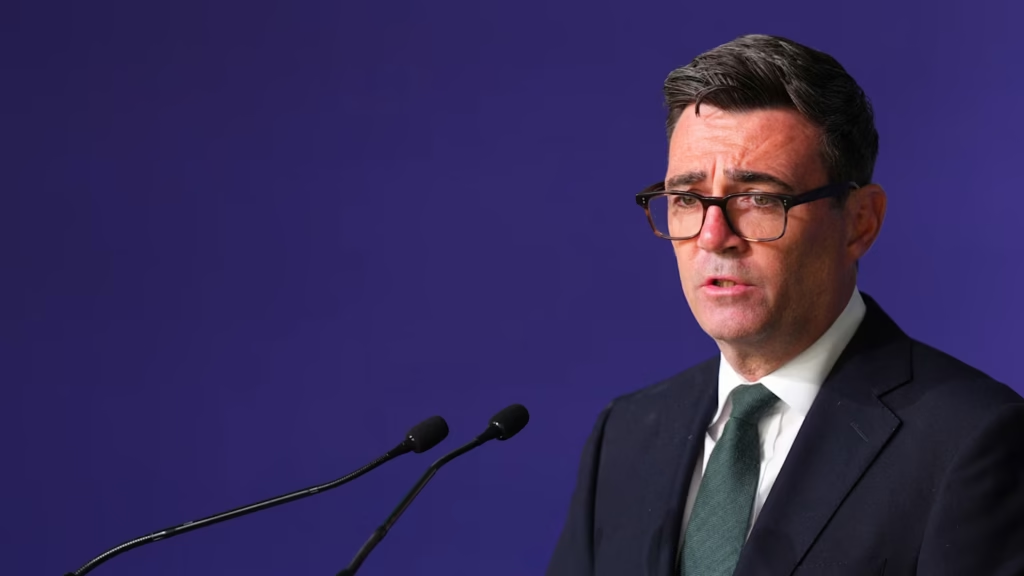
The EU has also indicated that different forms of association could potentially offer countries closer cooperation without full membership. Canada has recently emerged as a possible candidate for the bloc’s first “associate membership,” prompting questions about whether a similar arrangement could eventually be available to Britain.
Burnham, however, pointed to the EU’s existing position that such an arrangement is not currently open to the UK.
EU Ambassador to the UK Jukka Salovaara has also indicated that, “the doors are open, but it’s very much up to the UK public to identify and decide on its level of ambition when it comes to deepening cooperation with the EU.”
Burnham’s immediate focus, however, remains the economic relationship.
The Industrial Accelerator Act remains under negotiation, meaning the final shape of the “Made in Europe” provisions could still change. That leaves room for Britain to press its concerns before the legislation is completed.
READ ALSO: New Debt Rules Put Ghana’s Fiscal Space Under Scrutiny