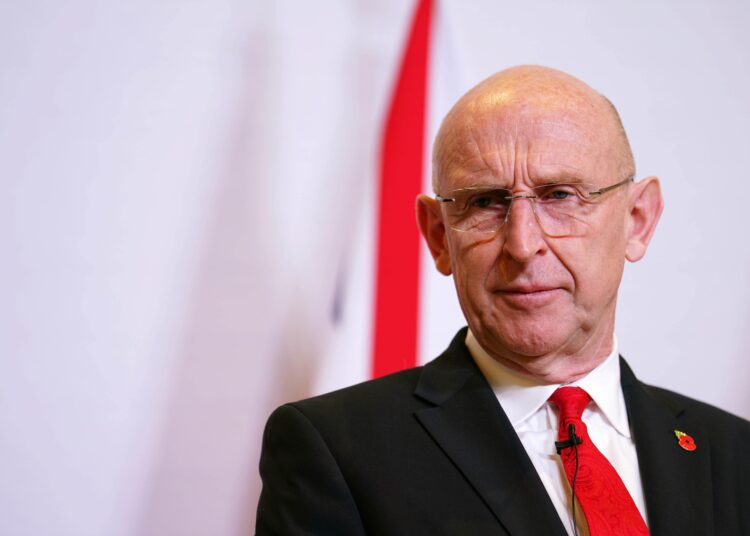
UK Chancellor John Healey is set to press European Union finance ministers to ensure that Britain is not excluded from the bloc’s proposed “Made in Europe” industrial policy, as the Labour government seeks to deepen economic, technological and security ties with Europe nearly a decade after UK voted to leave the EU.
Healey will make the case at a meeting of EU finance ministers in Dublin, where he is expected to argue that the bloc’s emerging industrial strategy should strengthen economic cooperation with Britain rather than create additional barriers for UK businesses operating within European supply chains.
The proposed “Made in Europe” programme, formally known as the Industrial Accelerator Act (IAA), is intended to strengthen European manufacturing and reduce the bloc’s dependence on components and products from outside Europe, particularly from China.
However, concerns have emerged in Britain that restricting eligibility for European industrial support to EU-based companies could leave British manufacturers at a disadvantage despite the close integration of UK and European production networks.
Around £15 billion of UK automotive exports are sold into European markets each year, while British suppliers remain connected to manufacturing networks spanning several European countries.
The Chancellor is therefore expected to urge his European counterparts to consider Britain’s role in those supply chains when designing the policy, warning against measures that could inadvertently disrupt production on both sides of the Channel.
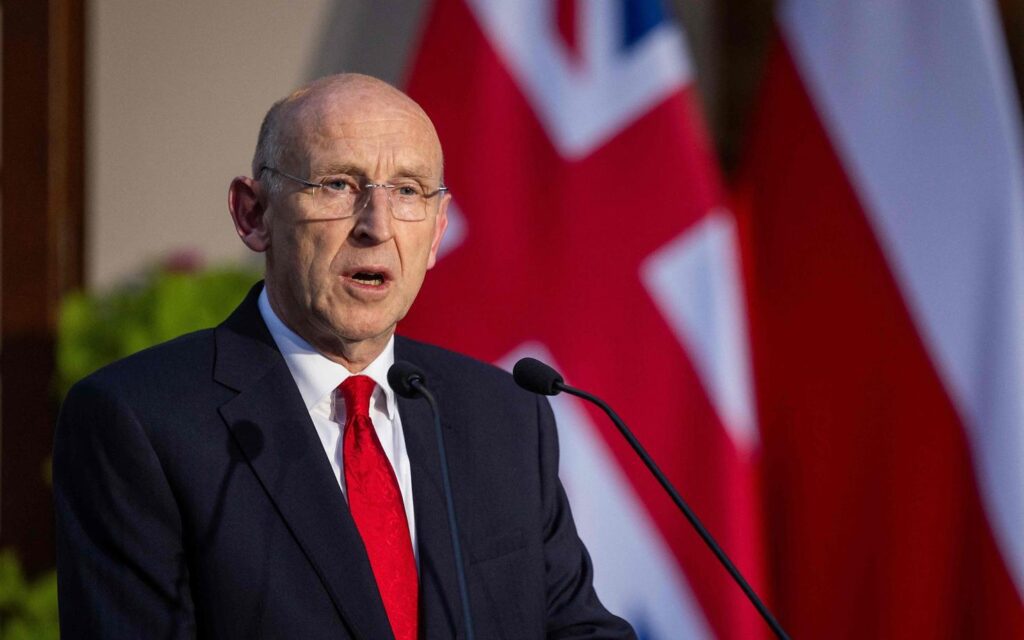
Treasury sources indicated that the Chancellor would call on the EU to develop its industrial policy in a way that deepens relations with Britain “rather than erecting new barriers.”
The intervention forms part of a wider effort by the Labour government to reduce the economic friction associated with Brexit without seeking to reverse Britain’s departure from the EU.
Since taking office in 2024, the Labour government has sought closer trading and security relationships with Brussels. However, efforts to establish deeper cooperation have encountered difficulties, including the failure last year of negotiations over Britain’s participation in the EU’s SAFE defence financing scheme.
That experience has become an important reference point for Healey as Britain seeks a different outcome on the “Made in Europe” programme.
The chancellor is expected to tell EU finance ministers to “learn the lessons” from the failed SAFE negotiations, which collapsed after Britain and the EU were unable to agree on the financial contribution London would make to participate.
Brexit, Industrial Policy and Britain’s European Supply Chains
The proposed European industrial policy has placed the consequences of Brexit under renewed scrutiny, particularly for industries where British and European production remain closely connected.
The EU’s objective is to give preference to European-made goods and reduce reliance on external suppliers. While the policy is aimed partly at addressing competition from China and strengthening Europe’s industrial base, British officials are concerned that excluding non-EU countries could have consequences for companies in Britain that supply European manufacturers.
Former UK trade negotiator Sir Crawford Falconer indicated that the EU’s original proposal would have allowed free-trade partners such as Britain to participate, but a subsequent proposal recommended restricting participation to EU member states.
Sir Crawford stated that development caused “everyone to hit the panic button,” adding, “If we weren’t able to complete on equal terms, it would put the viability of some of our production facilities at risk.”
The issue is especially critical in the automotive industry, as production is increasingly arranged around cross-border supply chains.
Earlier this year, Nissan revealed that, “EU and UK manufacturing are deeply intertwined, and restricting eligibility for public support to EU-only assembly would damage competitiveness, disrupt integrated supply chains, and undermine Europe’s EV transition.”
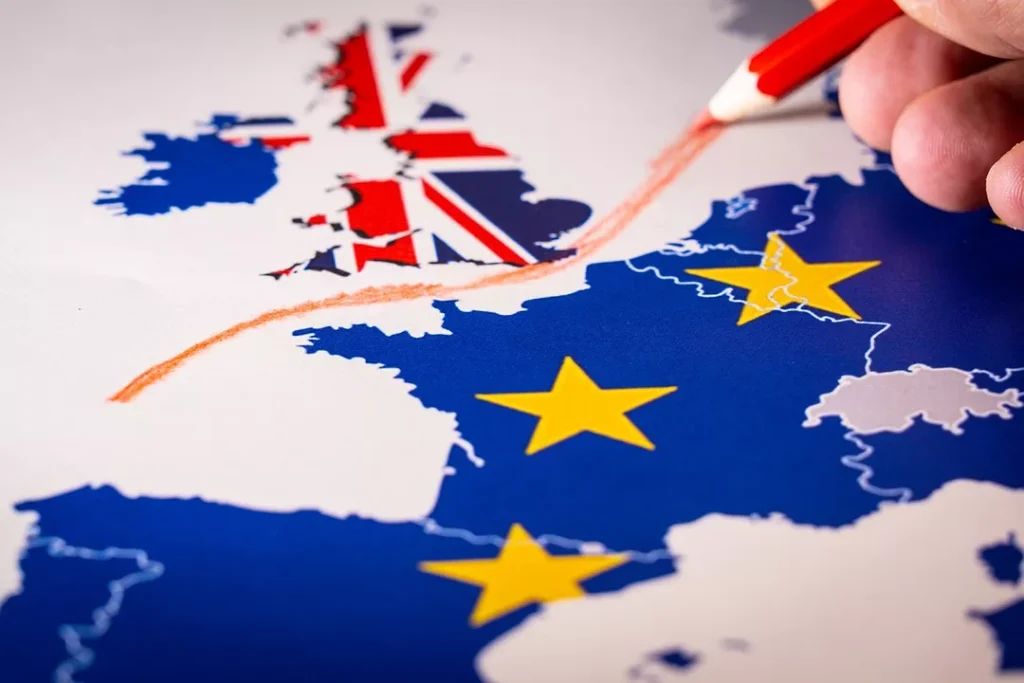
On the other hand, John Healey wants UK to develop closer partnerships with the EU in technology, defence and manufacturing, sectors that the government views as important to future economic growth and national security.
He is expected to use his Dublin meeting to argue that closer European cooperation should give British companies greater access to European customers and supply chains.
“The next chapter of Britain’s growth story will be written in more places. To me, closer ties with the EU means British businesses wherever they are based across the UK get better access to both the supply chains and the customers they need to grow.”
However, the government has also signalled that closer ties will not be pursued regardless of the economic cost.
Treasury officials have explained that Healey wants to reduce the economic impact of Brexit and strengthen Britain’s relationship with the EU while ensuring that any new arrangements deliver tangible benefits for UK.