Africa’s clean cooking transition is facing a financing challenge that goes beyond the amount of money pledged by international partners.
Two years after governments and private-sector organisations committed US$2.2 billion to expand access across the continent, only about US$740 million has been disbursed, leaving approximately US$1.46 billion yet to reach projects.
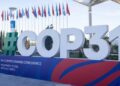
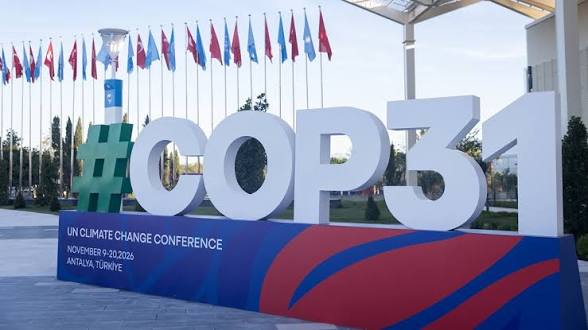
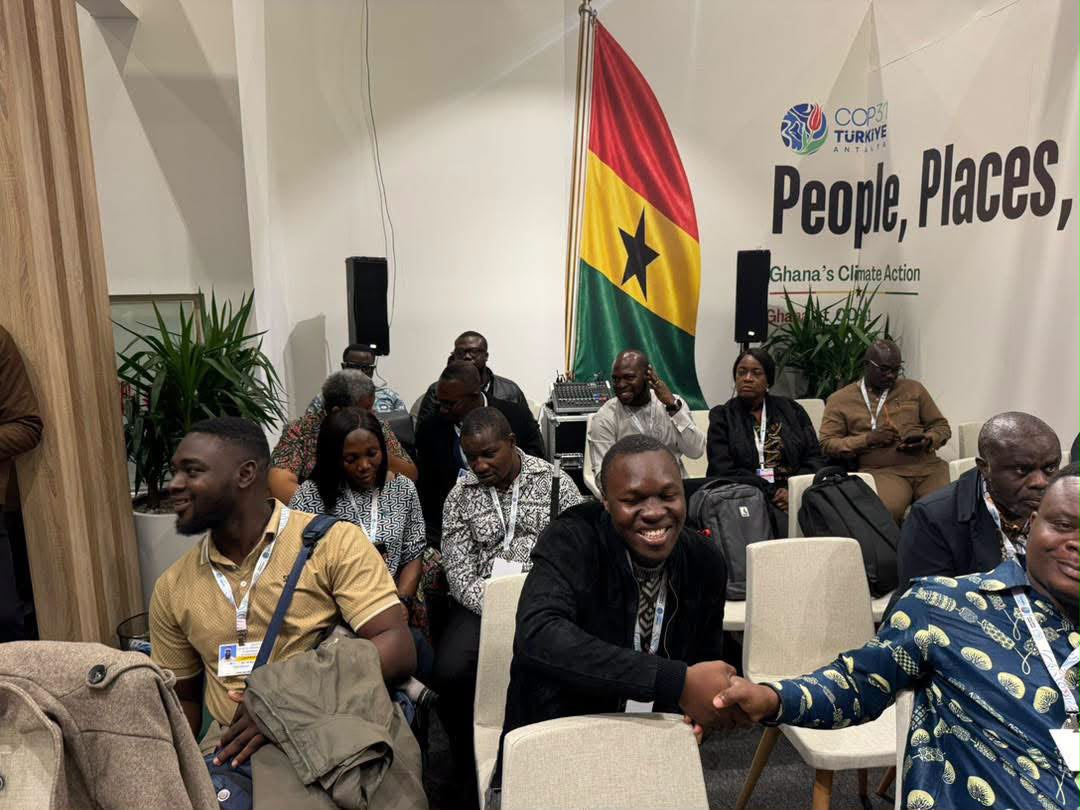
The figures, presented at a Leaders’ Roundtable on Clean Cooking in Africa during COP31 in Antalya, Türkiye, highlight the distance between international financing announcements and the investment required to change how millions of households cook.
For Ghana, the funding gap has particular significance. Despite improvements in access to electricity and the expansion of liquefied petroleum gas (LPG) programmes, a large proportion of households still depend on charcoal and firewood, with affordability and access continuing to limit the transition to cleaner alternatives.
The Ghana Statistical Service reported in January 2025 that the proportion of the population using clean fuels for cooking increased from 7.3 per cent in 2003 to 22.5 per cent in 2022.
However, the gains were uneven: only 0.5 per cent of people in the poorest household wealth group used clean cooking fuels in 2022.
This illustrates why the continental financing shortfall is not merely an international climate-finance concern. It affects the ability of countries such as Ghana to make cleaner household energy accessible beyond wealthier urban communities.
The Distance Between Pledges And Delivery
The original US$2.2 billion commitment was secured at the first Summit on Clean Cooking in Africa in Paris in 2024. At the COP31 roundtable, leaders reviewed progress and considered how to accelerate the delivery of financing before the next continental summit.
International Energy Agency (IEA) Executive Director Fatih Birol said more than a third of the original funding had been deployed in projects across 28 African countries.
Tanzania’s President Samia Suluhu Hassan separately reported that approximately US$740 million had been deployed across 22 African countries by July 2026.
She also disclosed that another US$900 million had been mobilised since the Paris summit, bringing total commitments to approximately US$3.1 billion.
The additional US$900 million is important, but it should not be treated as money already disbursed. The distinction between the original pledge, subsequent commitments and actual project financing remains essential to assessing progress.
The scale of the remaining challenge was captured by Birol, who said:
“Where did this money go? It went to 28 African countries supporting concrete projects.”
The statement indicates that financing has reached projects, but the relatively small proportion delivered against the original commitment raises questions about the pace at which the remaining resources will be converted into practical interventions.
Clean Cooking Is Also An Energy Security Issue
The consequences of limited access extend well beyond household energy expenditure.
President Samia said nearly one billion Africans, representing about six in every ten people on the continent, still lack access to clean cooking.
Reliance on polluting fuels contributes to an estimated 850,000 premature deaths annually, with women and children disproportionately affected.
The environmental consequences are equally significant. Traditional cooking practices generate emissions estimated by the IEA at around 1.2 gigatonnes annually, comparable to the combined emissions of international aviation and shipping.
For Ghana, the figures reinforce the importance of treating clean cooking as part of national energy planning rather than solely as a household welfare intervention.
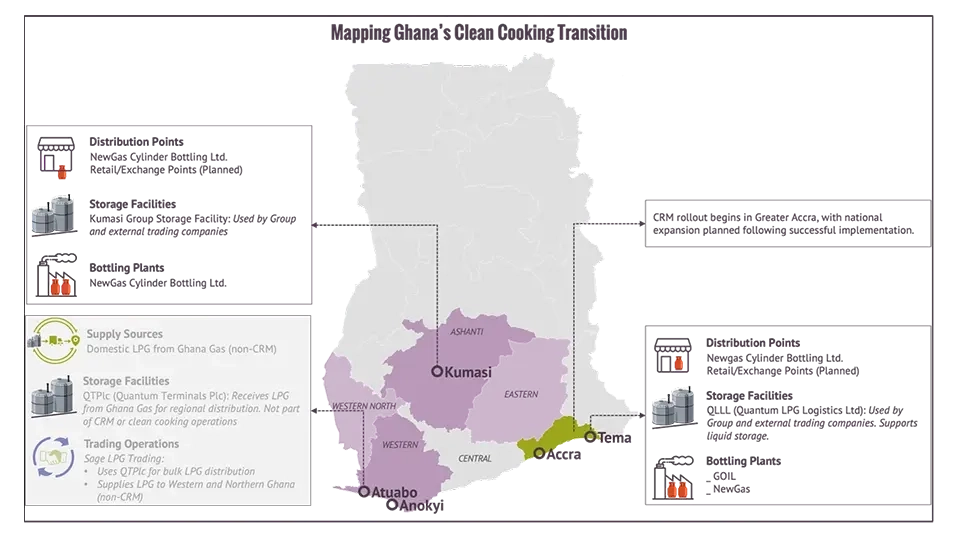
The Government’s clean cooking programme promotes LPG, electricity, biogas and improved cookstoves. Its stated ambition is to achieve universal access by 2030, supported by initiatives to distribute improved cookstoves and expand cleaner cooking options in underserved communities.
However, the transition faces a practical affordability problem. The availability of a cleaner stove does not guarantee that households can consistently purchase the fuel or electricity needed to operate it.
Ghana’s own statistics demonstrate the inequality involved. While clean-fuel use has expanded over time, the Ghana Statistical Service found that adoption among the poorest households remained exceptionally low.
This suggests that financing must address the cost of continued use, not simply the initial purchase or distribution of equipment.
Financing Must Reach The Households That Need It
The COP31 discussions also exposed differences in estimates of the annual investment required to achieve universal clean cooking access.
Kenya’s special envoy, Ambassador Ali Mohamed, speaking on behalf of President William Ruto, said Africa requires at least US$2 billion annually to address the challenge. OPEC Fund President Abdulhamid Alkhalifa cited an IEA estimate of US$4 billion per year.
Although the estimates differ, both point to a financing requirement that extends beyond the outstanding US$1.46 billion from the Paris commitment.
The difference also underlines the importance of defining what the funding estimates cover, including equipment, fuel distribution, electricity infrastructure, consumer support and local manufacturing.
African leaders are consequently calling for a combination of grants, concessional financing, private investment, innovative financial instruments and results-based funding.
Lesotho’s Deputy Prime Minister, Justice Nthomeng Majara, warned against relying on isolated interventions:
“Isolated projects and pilot interventions will not be sufficient to achieve universal access.”
The financing mix matters because different solutions serve different purposes. Concessional loans and grants can help lower the cost of access for vulnerable households, while private investment can support manufacturing, distribution networks and the development of commercial supply chains.
However, private capital alone may not reach households with limited purchasing power. Public financing and targeted affordability measures will therefore remain important to ensuring that the transition does not exclude the communities most affected by traditional cooking fuels.
Norway’s special envoy, Hans Olav Ibrekk, summarised the urgency of moving beyond announcements:
“Clean cooking is climate action. We need to move from commitments to implementation at scale.”
Ghana’s Affordability Challenge Ahead Of Nairobi
The next major opportunity to assess progress will come at the second Summit on Clean Cooking in Africa, scheduled for Nairobi, Kenya, on January 27–28, 2027.
The meeting is expected to build on the Paris commitments and attract additional financial and policy support.
But the outstanding financing from the first summit makes accountability over existing commitments equally important.
For Ghana, the priority should be ensuring that international financing translates into solutions that reflect the country’s household energy realities.
Expanding LPG distribution, improving access to cleaner technologies, supporting local manufacturing and addressing the cost of fuel will all be important to achieving broader adoption.
President Samia offered a measure of progress that goes beyond financial announcements:
“Our success must be measured not only by the resources we mobilise, but by the number of families gaining access to affordable, reliable and sustainable clean cooking solutions.”
That standard places the focus on actual household access rather than the volume of commitments announced at international meetings.
The outstanding US$1.46 billion therefore represents more than an unfulfilled financing target. It highlights the need for predictable disbursements, transparent tracking and investment models that make cleaner cooking affordable over time.
As African leaders prepare for the Nairobi summit, the central question is no longer simply how much additional money can be pledged.
It is how much of the existing financing can be delivered, which communities will benefit and whether households will be able to sustain the transition.
For Ghana and the rest of the continent, the success of clean cooking policy will ultimately be determined not by the size of international announcements, but by how many families can move away from polluting fuels without facing an unaffordable energy alternative.
READ ALSO: UN Climate Chief Calls for Responsible AI Use to Maximise Benefits